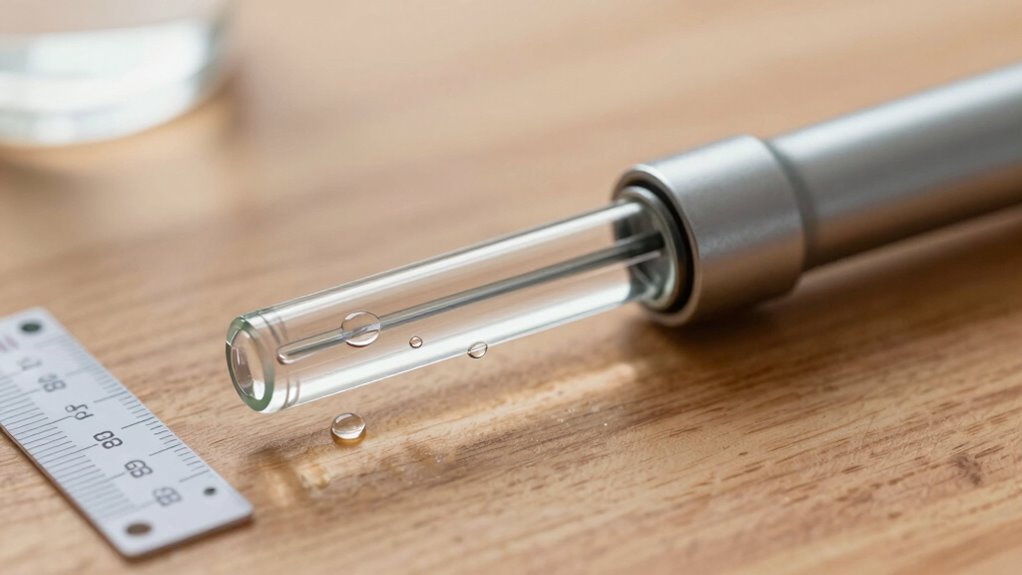
Using a refractometer is the fastest way to spot inconsistencies in sugar levels, helping you maintain uniformity in your harvest and processing. It provides quick, on-the-spot Brix measurements, so you can make immediate adjustments to harvesting, watering, or fertilizing. This tool guarantees your fruit stays at peak ripeness and quality. Keep going, and you’ll discover how mastering this device enhances your ability to produce consistently excellent results.

Get kitchen staples and gadgets delivered free with Prime
- Fast, free delivery on millions of items
- Prime Video, Amazon Music and more included
- Member-only deals all year
Key Takeaways
- Refractometers provide immediate Brix readings, enabling quick detection of sugar level inconsistencies during harvest or processing.
- Sudden fluctuations in Brix values indicate potential issues in fruit ripeness or production processes.
- Regular on-the-spot measurements help identify batch-to-batch variations for consistent product quality.
- Quick comparison of Brix readings across samples reveals deviations that require corrective actions.
- Using refractometers ensures timely adjustments to maintain uniform sweetness and prevent quality discrepancies.
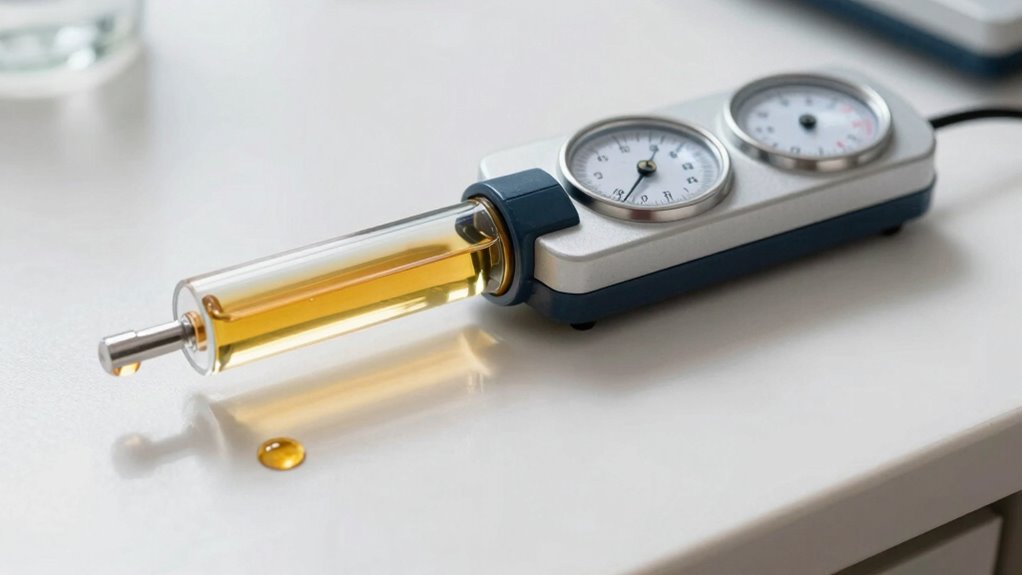
Refractometers are indispensable tools for measuring the sugar content in liquids, and understanding how they work can help you make more accurate assessments. When it comes to harvest timing, knowing the sugar level in crops like grapes, apples, or berries is essential. By checking the Brix value — which indicates the percentage of sugar in the juice — you can determine the ideal moment to harvest. If you wait too long, the sugar might become overripe or the fruit could start to degrade, affecting flavor and shelf life. Conversely, harvesting too early might mean the fruit isn’t ripe enough, leading to lower quality and less flavor development. Using a refractometer allows you to pinpoint the perfect harvest window, ensuring you pick the fruit at its peak ripeness for the best flavor and quality.
In addition to harvest timing, refractometers play a critical role in quality assurance. Consistency is key for producing high-quality products, whether you’re making wine, juice, or other beverages. By regularly measuring Brix levels during processing, you can detect inconsistencies early. This helps you maintain uniform sweetness, which directly impacts the final product’s taste and customer satisfaction. If you notice a sudden drop or spike in Brix readings, you can investigate and adjust your processes — such as watering, fertilizing, or timing of harvest — to correct the issue. This proactive approach minimizes waste and guarantees a consistent product from batch to batch, reinforcing your reputation for quality.
The quick, on-the-spot readings provided by refractometers mean you don’t have to send samples to a lab and wait days for results. Instead, you instantly see the sugar levels, enabling you to make timely decisions. This immediacy is especially advantageous during harvest season, when timing is everything. Plus, refractometers are portable and easy to use, making them suitable for on-field assessments or in the processing facility. With a little practice, you’ll be able to interpret Brix readings easily and respond swiftly to fluctuations in sugar content. Understanding how refractometers work can further improve your ability to get accurate measurements and make better-informed decisions. Additionally, understanding the measurement principles behind these devices can help you troubleshoot and maintain their accuracy over time.
Ultimately, understanding how to utilize a refractometer helps you optimize both harvest timing and quality assurance. This simple tool empowers you to make informed decisions that enhance the flavor, consistency, and overall quality of your produce or products. Whether you’re aiming for perfect ripeness or trying to maintain uniformity across batches, refractometers provide the precision you need to spot inconsistency quickly and effortlessly.
Products Worth Considering

Cuisinart Portable Tabletop Propane Patio Heater, 11,000 BTU, Red

Ninja Artisan 5-in-1 Portable Electric Pizza Oven, Blue & Gold

Weber Searwood 600 Wood Pellet Smoker Grill, Black
As an affiliate, we earn on qualifying purchases.
Frequently Asked Questions
How Do Refractometers Differ From Hydrometers?
Refractometers differ from hydrometers in how they measure liquid properties. You use a refractometer to quickly determine Brix or specific gravity with a small sample, but it requires proper calibration for accuracy. Hydrometers, on the other hand, float in the liquid to give a reading based on buoyancy, which can be less precise if not maintained correctly. Both tools are valuable, but refractometers often provide faster, more consistent results when properly calibrated.
Can Brix Measurements Vary With Temperature?
Sure, Brix measurements do vary with temperature, because science loves to keep you on your toes. Luckily, temperature compensation exists, allowing you to maintain measurement precision. Without it, your readings could be as inconsistent as your morning coffee. So, always make certain your refractometer has proper temperature compensation, or risk misjudging the sweetness or quality of your product—no fancy gadget can fix poor calibration!
Are Digital Refractometers More Accurate Than Analog Ones?
Digital refractometers generally offer better measurement precision than analog ones due to their advanced sensors and digital calibration. You’ll find digital devices provide more consistent and accurate readings, especially over multiple measurements. While analog refractometers are reliable and often more affordable, they may require more careful calibration and interpretation. Overall, for the most precise Brix measurements, digital refractometers are your best choice, ensuring accuracy and ease of use.
How Often Should Refractometers Be Calibrated?
You should calibrate your refractometer regularly to keep measurement accuracy on point—think of it as keeping your tools sharp. Usually, calibrate before each use or weekly if you’re using it daily. That way, you prevent errors from creeping in and guarantee your readings stay reliable. Consistent calibration is key to accurate results, especially when precision impacts your product quality or decision-making.
What Are Common Mistakes When Using a Refractometer?
You should watch out for common mistakes like improper calibration and sample contamination when using a refractometer. Always calibrate it correctly before testing, as incorrect calibration leads to inaccurate readings. Make certain your sample is clean and free of debris to prevent contamination. Avoid touching the prism with your fingers, and make sure to wipe it clean after each use. These steps help maintain accuracy and consistency in your measurements.
Conclusion
Using refractometers to measure Brix levels is a quick, reliable way to spot inconsistencies before they escalate. Imagine you’re managing a vineyard, and a sudden drop in Brix hints at uneven ripening. Catching this early allows you to adjust irrigation or harvest timing, ensuring top-quality grapes. Don’t wait until problems become obvious—trust your refractometer to keep your produce consistent and your profits steady. It’s your fastest route to superior quality every time.