Your citrus variety mostly determines its aroma because each type contains unique aromatic compounds like terpenes and esters that create distinct scent profiles. These aromatic differences are more influential than sweetness in shaping how the fruit smells. For example, Meyer lemons have a soft, floral aroma, while grapefruits are tangy and sharp. Understanding how different varieties develop their scents can help you appreciate their subtle distinctions—there’s more to learn about how these factors truly shape aroma.

Get kitchen staples and gadgets delivered free with Prime
- Fast, free delivery on millions of items
- Prime Video, Amazon Music and more included
- Member-only deals all year
Key Takeaways
- Aroma is primarily determined by unique aromatic compounds linked to each citrus variety, rather than sweetness levels.
- Genetic differences among varieties create distinct scent profiles that influence aroma more significantly than sugar content.
- Cultivation techniques can modify aroma intensity without altering the fundamental aromatic makeup inherent to the variety.
- Variations in aromatic compounds define sensory impressions, making aroma more variable across varieties than sweetness.
- Flavor pairing and culinary uses depend more on aromatic profiles, which are shaped by variety, than on sweetness variation.
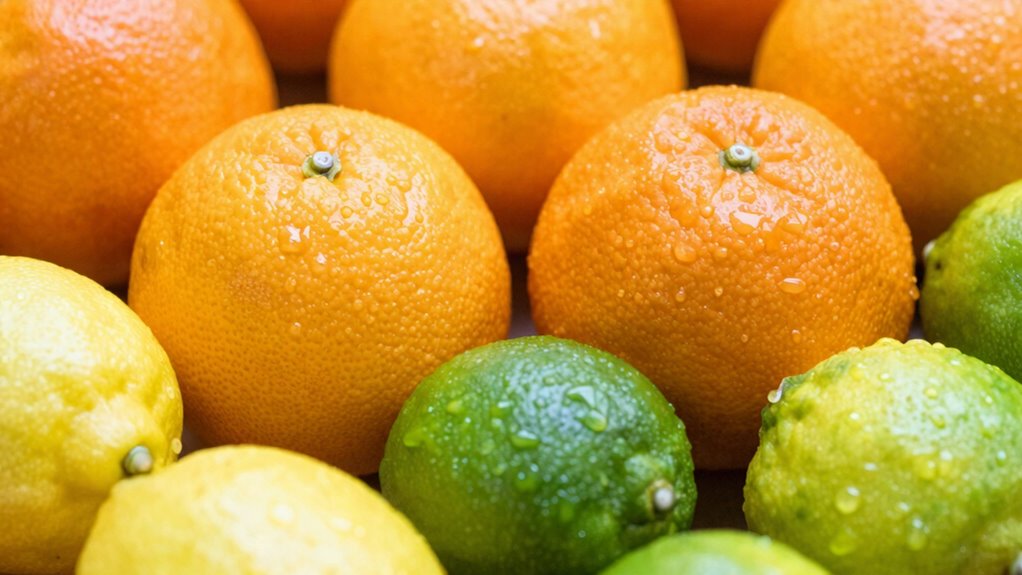
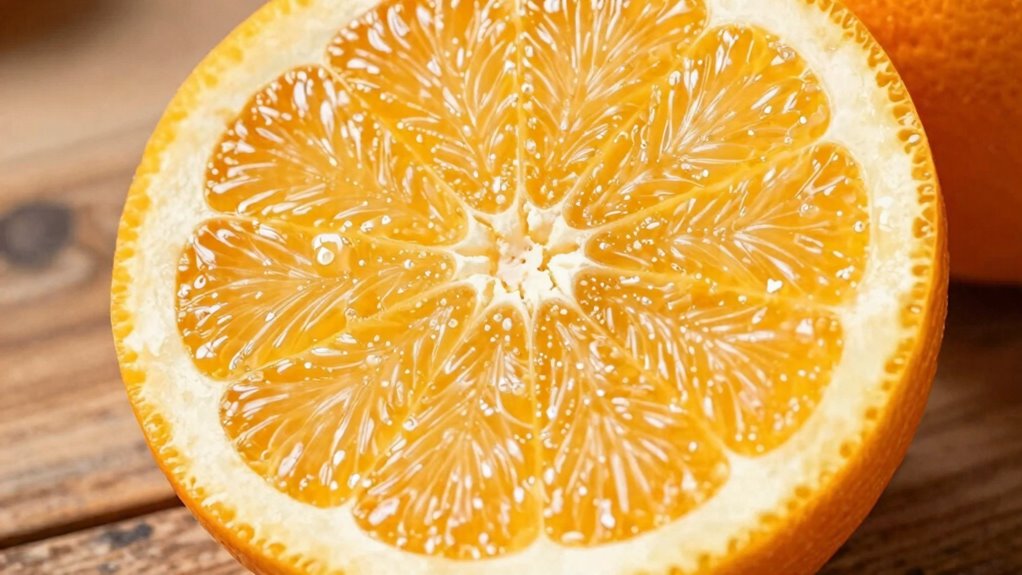
Citrus fruits are celebrated for their vibrant flavors and enticing aromas, which vary widely among different varieties. When you taste an orange, lemon, or lime, you might notice that their flavors are quite distinct, but it’s the aroma that often leaves the strongest impression. The aroma of a citrus fruit is shaped more by its variety than by its sweetness level. While sweetness can be influenced by ripeness or cultivation conditions, the core scent profile is primarily determined by the specific blend of aromatic compounds unique to each variety.
Different citrus varieties have distinct aromatic profiles, thanks to their unique combinations of terpenes and esters. For example, a Meyer lemon offers a softer, floral aroma, whereas a tangy, sharp scent characterizes a grapefruit. These differences in aroma influence how you perceive flavor pairing. You might find that a certain citrus variety complements herbs like basil or mint differently than another, simply because of its aromatic composition. Understanding these nuances helps you create more harmonious dishes and beverages, emphasizing or balancing flavors with precision.
Cultivation techniques also play a role in shaping aroma, but they do so within the context of each variety’s genetic makeup. Factors such as soil type, climate, irrigation, and harvesting time affect how aromatic compounds develop in the fruit. For instance, citrus grown in warmer climates may develop more intense aromas, while specific cultivation practices like controlled irrigation can enhance certain scent notes. However, these techniques primarily influence aroma intensity rather than the fundamental aromatic profile, which is rooted in the variety itself. Aromatic compounds are key to understanding how different citrus varieties develop their unique scents. Additionally, cultivation practices can subtly modify the expression of these aromatic compounds without altering the core profile. Proper selection of citrus varieties can therefore lead to more complex and appealing aroma profiles, tailored to specific culinary uses.
You can think of citrus variety as the blueprint for aroma, with cultivation techniques fine-tuning how that blueprint is expressed. For example, selecting a particular variety and applying precise cultivation methods can result in a fruit with a more complex, layered aroma profile. This makes it easier for you to choose the right citrus for specific flavor pairings or culinary applications, knowing that the variety’s inherent aromatic qualities will shine through. Ultimately, while sweetness may fluctuate depending on ripeness and cultivation, it’s the variety that more dramatically influences the aroma, giving each citrus its unique sensory signature. Additionally, the genetic makeup of each citrus variety plays a crucial role in the development of its aromatic profile, making it a fundamental factor in aroma differentiation. A deeper understanding of aromatic profiles can help cultivators and chefs alike in selecting the best citrus for their needs.
As an affiliate, we earn on qualifying purchases.
Frequently Asked Questions
How Do Climate Differences Affect Citrus Aroma Profiles?
Climate influence greatly impacts citrus aroma profiles by altering aromatic compounds in the fruit. Warmer temperatures can enhance certain volatile compounds, making citrus smell brighter and more intense, while cooler climates may preserve delicate aromas. You’ll notice these differences when tasting citrus from various regions. This variation in aromatic compounds due to climate influence is why citrus from different areas can have distinct aroma profiles, even within the same variety.
Can Soil Type Influence Citrus Aroma More Than Variety?
Yes, soil type can influence citrus aroma more than variety. Soil composition affects nutrient availability and stress levels, which can enhance aroma compounds in the fruit. For example, well-drained, mineral-rich soils promote aroma enhancement, giving your citrus a more vibrant scent. While variety determines potential aroma profiles, your soil’s characteristics directly impact how strongly those aromas develop, making soil management a key factor in achieving the desired citrus scent.
Do Harvesting Methods Impact Citrus Aroma Development?
Yes, harvesting techniques greatly impact citrus aroma development. If you pick the fruit too early or too roughly, you risk damaging the peel and losing volatile compounds essential for aroma preservation. Proper harvesting methods—like gentle handling and timing at peak ripeness—help guarantee the citrus retains its maximum aromatic qualities. By focusing on careful harvesting, you enhance aroma preservation, leading to a more vibrant and flavorful citrus experience.
Are There Genetic Factors That Determine Aroma More Than Sweetness?
Genetic factors play a significant role in citrus aroma, often more than sweetness. You should look for specific genetic markers, especially aroma genes, that influence volatile compounds responsible for scent. These markers determine how intensely citrus aroma develops, regardless of sugar content. By understanding and selecting for these aroma genes, breeders can enhance citrus varieties’ scent profiles, making aroma a more predictable trait than sweetness in citrus cultivation.
How Does Storage Time Alter Citrus Aroma Compared to Sweetness?
Storage time acts like a silent artist, gradually transforming citrus aroma more than sweetness. As you store citrus, flavor preservation becomes a delicate dance, with aroma enhancement taking center stage. Over time, volatile compounds evolve, intensifying the scent and revealing deeper, more complex notes. Meanwhile, sweetness remains relatively stable, but the aroma’s evolution captures your senses, making the citrus feel more vibrant and alive with each passing day.
Conclusion
As you explore different citrus varieties, you’ll notice how subtle variations can gently influence aroma more than sweetness. These delicate shifts whisper their secrets through nuanced scents, offering a richer sensory experience. Embrace the journey of discovery, allowing each citrus to reveal its unique character without overwhelming your senses. In doing so, you’ll find that the true essence of these fruits lies in their fragrant nuances, inviting you to savor more than just their taste, but their whispered stories too.
Halloween Picks
halloween
As an affiliate, we earn on qualifying purchases.