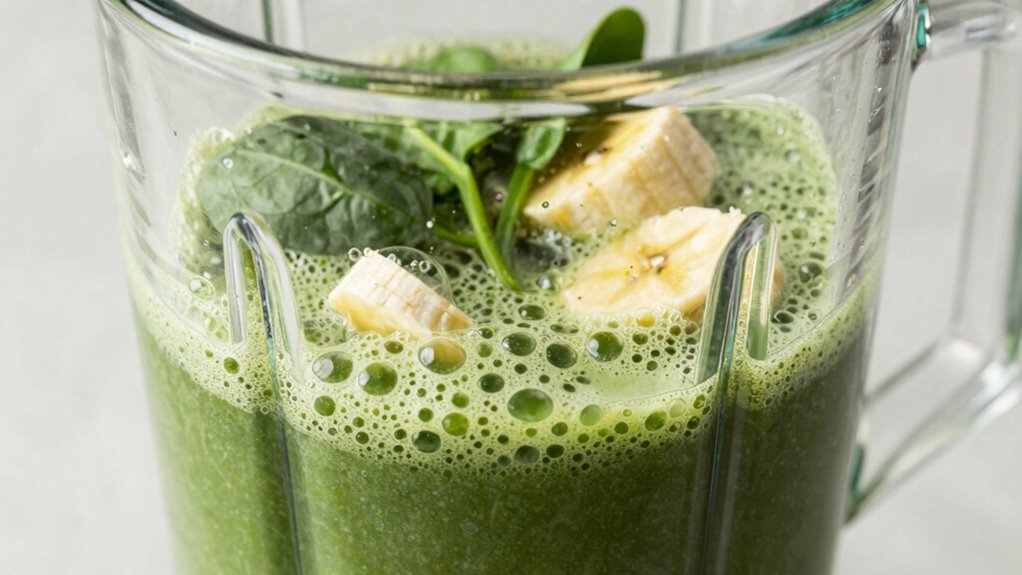

Air pockets form easily when you blend green smoothies because ingredients like soft fruits and fibrous greens trap air as they interact. Overfilling the blender or blending too quickly can also cause bubbles to build up. To minimize this, add liquids first, blend in short pulses, and stir gently during blending. For more tips on achieving a smooth and velvety texture, keep exploring these simple techniques.
Key Takeaways
- Air pockets form when ingredients trap air during blending, especially with fibrous fruits and tough greens.
- Overfilling the blender limits space for air to escape, increasing bubble formation.
- Adding liquids first and blending in short pulses helps prevent large air bubbles.
- Harder greens and seeds can create large air pockets if added too quickly or without proper technique.
- Proper blender design and gentle techniques, like tapping or swirling, reduce residual bubbles for a smoother smoothie.
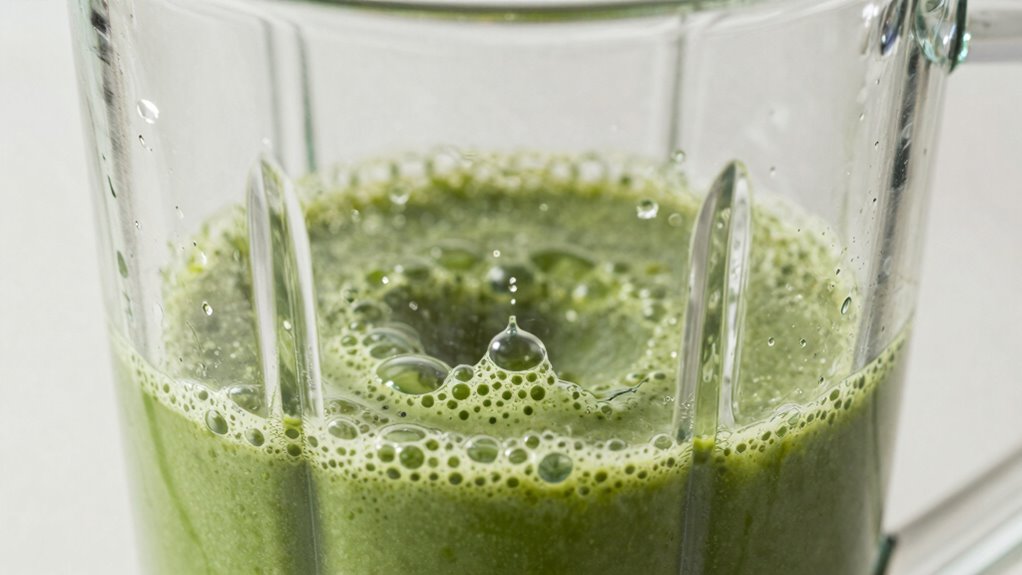
Have you ever wondered how to effortlessly boost your daily intake of greens? One way is by blending a green smoothie, but sometimes, despite your best efforts, air pockets form, leaving you with uneven texture and frustrating interruptions. These bubbles or air pockets happen because of how ingredients interact during blending, especially when incorporating fruit infusion into your mixture. When you add fruits like bananas, berries, or mangoes, you introduce natural sugars and moisture that can trap air, creating pockets that disrupt the smooth, creamy texture you’re aiming for. To prevent this, it’s essential to layer your ingredients thoughtfully.
Start by adding liquids first—water, almond milk, or juice—into the blender. This creates a base that helps other ingredients settle evenly and reduces the chance of air pockets forming around the blades. Then, add your softer fruits, which blend smoothly and integrate seamlessly, promoting better texture consistency. Harder ingredients like kale or spinach should follow, as they break down more easily when they’re surrounded by softer, juicier components. When you put in fruit infusion, it’s best to blend those fruits first with the liquids to break them down thoroughly. This initial step ensures they release their flavors fully and distribute evenly throughout the smoothie, resulting in a more uniform texture.
As you add tougher greens or seeds, like chia or flax, do so gradually and give the blender a few short pulses before blending continuously. This prevents large air pockets from forming around tough, fibrous ingredients. Also, don’t overfill your blender; leaving some space allows air to escape and promotes a smoother blend. If you notice bubbles forming during blending, pause briefly and give your ingredients a gentle stir with a spatula—just be careful not to introduce more air. This technique helps release trapped bubbles and promotes better texture consistency. Additionally, understanding how ingredient interactions influence air pocket formation can help you adjust your blending technique for optimal results. A well-designed blender with efficient airflow can also make a significant difference in reducing bubbles and ensuring a velvety smooth mixture.
Using proper blending techniques can make a notable difference in the final texture of your smoothie. To further improve your blending process, consider the blender’s design and how its shape might affect how air escapes during operation. Finally, once blending is complete, give your smoothie a few seconds to settle before pouring. If you still see air pockets, tapping the blender gently or swirling the mixture with a spoon can help release leftover bubbles. By paying attention to the order of ingredients, especially when working with fruit infusion, and blending with care, you’ll minimize air pocket formation. The result is a velvety, uniform green smoothie that’s as pleasing to drink as it is nutritious. With practice, you’ll master the art of smooth blending, making your daily greens more enjoyable and consistently delicious.
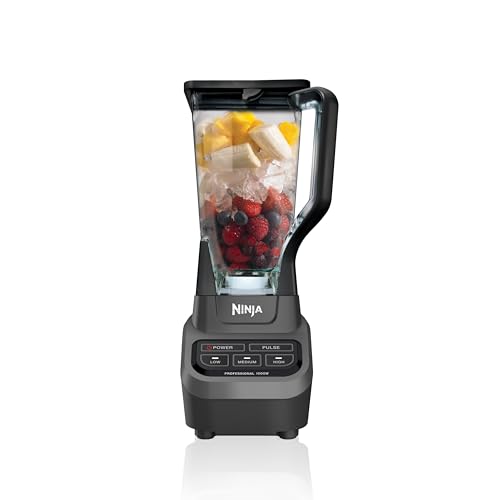
Ninja Professional Blender | Smoothie Blending, Drink Mixer, Grinder, Ice Crusher, Frozen Fruit Blending | 1000W Power, Total Crushing Technology, XL 72-oz. Pitcher | Black & Grey | BL610
PROFESSIONAL POWER: 1000 watts of professional power can crush ice and breakdown any tough ingredient.Power source : Corded…
As an affiliate, we earn on qualifying purchases.
As an affiliate, we earn on qualifying purchases.
Frequently Asked Questions
Can the Type of Blender Affect Air Pocket Formation?
Yes, the type of blender can affect air pocket formation. A powerful blender motor creates a stronger vortex, pulling ingredients down smoothly and reducing air pockets. Additionally, the container design matters—blenders with wider, tapered containers help ingredients circulate better, minimizing trapped air. So, choosing a blender with a robust motor and well-designed container can make blending smoother and prevent air pockets from forming easily.
Do Ingredients’ Moisture Levels Influence Air Pocket Creation?
Yes, ingredients’ moisture levels influence air pocket formation. When you use ingredients with low moisture content, they don’t hydrate well, making it easier for air pockets to form during blending. Conversely, well-hydrated ingredients with higher moisture content help reduce air pockets because they blend smoothly, filling in gaps. Ensuring proper ingredient hydration minimizes trapped air, resulting in a more consistent, lump-free green smoothie.
How Does Blending Speed Impact Air Pocket Development?
Blending speed is like a gentle or fierce wind shaping your smoothie’s landscape. When you blend slowly, you allow air to escape, reducing air pockets and preserving flavor enhancement and nutrient retention. Rapid blending agitates ingredients violently, trapping air and forming pockets. To maximize flavor and nutrients, start slow to settle air, then increase speed gradually. This balance helps create a smooth, nutrient-rich drink free of unwanted air pockets.
Are There Specific Techniques to Minimize Air Pockets?
To minimize air pockets, focus on technique. Start by layering ingredients with liquids at the bottom, which helps create a smoother texture consistency. Blend at a low speed initially, then gradually increase, ensuring ingredients integrate smoothly without trapping air. Avoid overfilling the blender, and pulse gently if needed. These methods help prevent air pockets, resulting in a creamier, more uniform green smoothie.
Does the Temperature of Ingredients Matter When Blending?
Yes, the temperature of ingredients matters when blending. Cold ingredients can cause air pockets because they’re denser and resist smooth blending, leading to more trapped air. To minimize this, use fresh, room-temperature ingredients and keep your blender running for a consistent blending duration. This helps ingredients blend evenly, reducing air pockets and creating a smoother, more uniform green smoothie.

Hamilton Beach Power Elite Wave Action Blender For Smoothies, 40 Oz Glass Jar, 12 Functions Including Puree, Crush Ice, 700 Watts – Black (58148A)
POWERFUL BLENDING PERFORMANCE: With 700 watts of peak blending power and stainless steel Ice Sabre blades, this protein…
As an affiliate, we earn on qualifying purchases.
As an affiliate, we earn on qualifying purchases.
Conclusion
Next time you blend your green smoothie, think of it like a volcano preparing to erupt. Just as pressure builds beneath the surface before a burst, air pockets sneak in, causing those pesky bubbles. I once watched my friend’s smoothie overflow because of trapped air—like a mini eruption in her blender. By understanding how air pockets form, you can prevent your blend from bubbling over, ensuring a silky, smooth drink every time.

Ninja BC151EM Blast Portable Blender, Cordless, 18oz. Vessel, Personal Blender-for Shakes & Smoothies, BPA Free, Leakproof-Lid & Sip Spout, USB-C Rechargeable, Dishwasher Safe Parts, Forest Green
NINJA BLENDING ANYWHERE: Blast through frozen ingredients with Ninja’s best portable blending power. Make perfectly smooth drinks anywhere…
As an affiliate, we earn on qualifying purchases.
As an affiliate, we earn on qualifying purchases.

Silicone Blender Spatula, Slim Blade Scraper Accessory Designed for Blender Blades1
Versatile Everyday Tool – Whether you have a blender or food processor, this narrow spatula is the right…
As an affiliate, we earn on qualifying purchases.
As an affiliate, we earn on qualifying purchases.