
Chilling your produce before juicing helps lock in essential nutrients, vitamins, and antioxidants that degrade quickly with heat, light, or oxygen. It also reduces foaming, improves texture, and minimizes oxidation, which keeps your juice fresher, brighter, and more vibrant in flavor. Cooler ingredients make extraction easier and yield more juice, while extending shelf life. If you want to discover more about how temperature impacts your juice’s quality, explore further for some useful tips.

Get kitchen staples and gadgets delivered free — and shop member deals
- Fast, free delivery on millions of items
- Access to Prime Big Deal Days deals on October 6–7
- Prime Video, Amazon Music and more included
Key Takeaways
- Chilling produce slows nutrient degradation, preserving vitamins and antioxidants for a healthier juice.
- Cold ingredients reduce foam and separation, resulting in smoother, more appealing juice.
- Cooling minimizes oxidation and microbial activity, extending freshness and shelf life.
- Chilled produce improves juicing efficiency, yielding clearer juice with higher nutrient retention.
- Maintaining low temperatures enhances flavor, color, and overall juice quality.
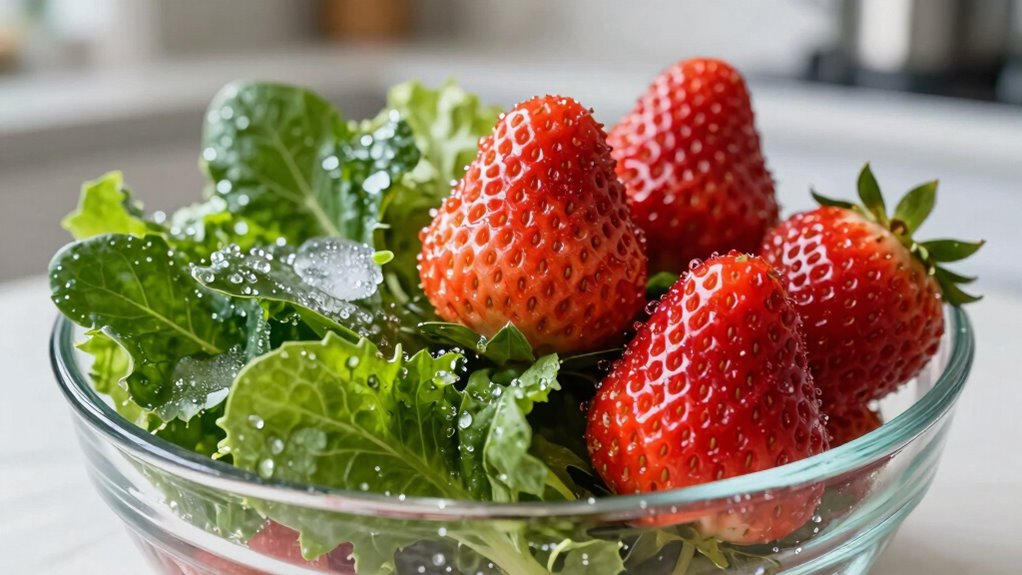
In addition to flavor, chilling produce plays a key role in nutrient preservation. Fresh fruits and vegetables contain delicate vitamins and antioxidants that can degrade when exposed to heat, light, or oxygen. By cooling your produce beforehand, you slow down these processes, helping to lock in essential nutrients. This Temperature control can also influence how well nutrients are maintained during juicing. Properly chilling produce ensures that more nutrients stay intact, providing greater health benefits from your juice. Preserving these nutrients not only boosts the nutritional profile of your juice but also ensures you’re maximizing the health potential of your ingredients. Another advantage of chilling produce is that it helps maintain the integrity of the juice’s texture. Juicing cold produce reduces the likelihood of excess foaming and separation, giving your juice a more appealing, smooth consistency. This can make a significant difference, especially if you’re preparing juice for a special occasion or want a more refined drink. Cold produce also minimizes oxidation during the juicing process, which can lead to spoilage and nutrient loss. Keeping produce cold slows down enzyme activity and microbial growth, extending the freshness and shelf life of your juice. Additionally, using chilled produce can help reduce oxidation, resulting in a fresher taste and vibrant color in your juice. Furthermore, chilling produce can make the juicing process more efficient. Cold fruits and vegetables are easier to handle and often produce less pulp or foam, making your juice clearer and more aesthetically pleasing. The chilled temperature can also improve the extraction process, allowing your juicer to work more effectively and produce a higher yield. This means you’re not only getting better flavor and nutrients but also maximizing the amount of juice from your produce. Proper temperature management during juicing is essential for maintaining quality and efficiency.
refrigerated produce for juicing
As an affiliate, we earn on qualifying purchases.
As an affiliate, we earn on qualifying purchases.
Frequently Asked Questions
Does Chilling Affect the Nutrient Content of Produce?
Chilling produce can help preserve nutrients, as it slows down enzyme activity and microbial growth that cause nutrient loss. The chill impact is generally positive, maintaining vitamin levels like C and antioxidants better than at room temperature. When you refrigerate fruits and vegetables promptly, you maximize nutrient preservation, ensuring your juice retains more of its nutritional value. So, chilling produce before juicing is a smart step to boost health benefits.
How Long Should Produce Be Chilled Before Juicing?
You should chill your produce for about 30 minutes before juicing. This temperature impact helps preserve nutrients and enhances juicing efficiency by softening the produce slightly, making it easier to extract juice. Keep fruits and vegetables at a consistent cold temperature, but avoid freezing, as it can damage cell structures. Proper chilling guarantees your juice retains maximum flavor and nutrients, giving you a fresher, more vibrant drink.
Can Chilling Improve the Flavor of the Juice?
Think of chilling as a secret ingredient that *unlocks* flavor enhancement and texture improvement in your juice. When you chill produce, it sharpens the taste, making it brighter and more *invigorating*. Plus, cold fruits and veggies blend into a smoother, more velvety texture, elevating your drinking experience. So, yes, chilling definitely improves the flavor and texture of your juice, turning a simple sip into a delightful treat.
Is There a Difference in Juice Yield With Chilled Produce?
Yes, chilling your produce can improve juice yield. Cold fruit temperature helps maintain cell integrity, making it easier to extract juice efficiently. When you start with chilled produce, you often get more juice because the lower temperature reduces pulp and foam, which can clog the juicer or reduce efficiency. So, for better juicing efficiency and higher yield, it’s a good idea to chill your fruits before juicing.
Does Chilling Reduce Bacteria on Fresh Produce?
Chilling produce acts like a shield, slowing bacteria growth and aiding bacteria reduction. It doesn’t eliminate bacteria entirely but helps maintain produce safety by keeping harmful microbes at bay. When you refrigerate fresh fruits and vegetables, you’re fundamentally giving bacteria a cold shoulder, which can prevent them from multiplying quickly. So, chilling plays an crucial role in ensuring your produce stays safer and fresher longer, protecting your health.
Conclusion
Chilling your produce before juicing can truly transform your drink. Imagine a friend who started refrigerating their fruits and veggies—soon, their juice became more vibrant and flavorful, encouraging them to drink more and enjoy the health benefits. Just like them, you’ll notice a fresher taste and better extraction. So next time, pop your produce in the fridge first—you might just discover your best juice yet!
NFL season / tailgating Picks
team gear
As an affiliate, we earn on qualifying purchases.