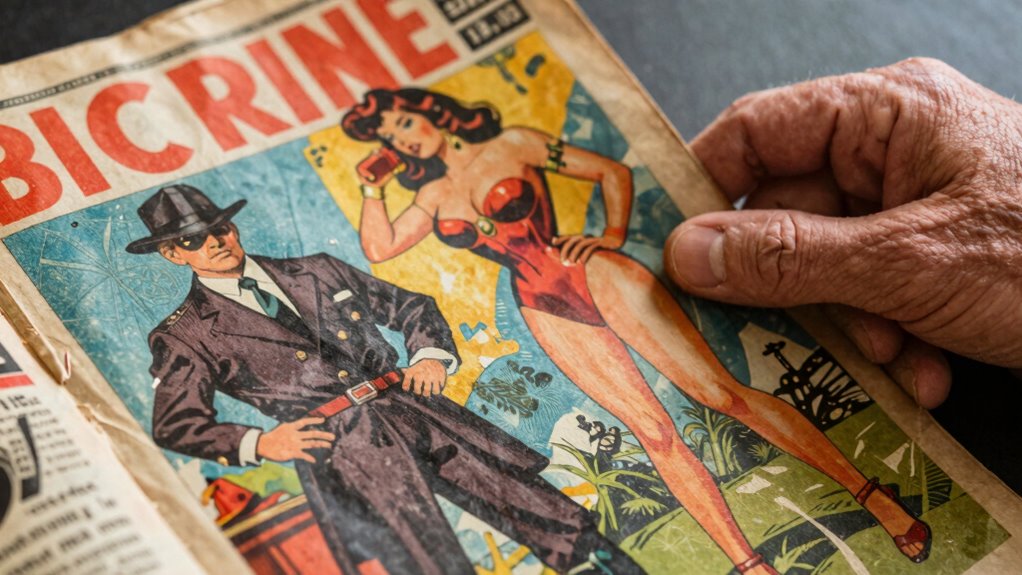

Your pulp preferences reveal more about your values and identity than you might realize. They reflect your stance on eco-friendliness, craftsmanship, and how you connect to tradition. Whether you prefer recycled, virgin, or vintage pulp, these choices are often rooted in personal beliefs and experiences. By understanding why you favor certain types, you can uncover deeper insights about yourself. If you keep exploring, you’ll discover even more about what drives your pulp preferences.
Key Takeaways
- Personal values and environmental consciousness deeply influence pulp choices beyond surface considerations.
- Pulp preferences reflect individual identity, history, and aesthetic sensibilities, often unconsciously shaping decisions.
- Traditional craftsmanship and heritage impact preferences, connecting individuals to cultural and historical narratives.
- The tactile and visual qualities of pulp evoke emotional responses, making preferences more personal than rational choices suggest.
- Choices in pulp are intertwined with personal experiences, values, and a desire for authenticity and sustainability.

When it comes to choosing pulp, your preferences can vary widely depending on what you value most—whether it’s the quality of the material, eco-friendliness, or cost. This choice isn’t just about specifications; it’s deeply personal. You might find yourself drawn to certain types of pulp because of its history or how it influences the art of bookbinding. The pulp paper history reveals a fascinating evolution, from early handmade papers to modern industrial processes. Understanding this history can deepen your appreciation for different pulp types, shaping your preferences in ways you might not realize. For example, traditional bookbinding techniques often relied on specific pulp qualities that affected durability and texture, influencing how books aged and how they felt in your hands. These techniques, passed down through generations, highlight the importance of the pulp’s composition—whether it’s rough or smooth, thick or thin—and how it complements the craftsmanship behind each bound volume. Recognizing the history of pulp paper can help you appreciate the craftsmanship and choices involved in producing different types of paper, further informing your preferences. Your personal choices are often rooted in tactile and aesthetic preferences, which are shaped by the qualities of the pulp. Some favor the sturdiness of recycled pulp, appreciating its eco-friendly roots and textured feel, while others prefer the smoothness of virgin fiber pulp, which offers a cleaner, more polished look. These preferences aren’t just superficial; they reflect your values and experiences. If sustainability weighs heavily on you, you might lean toward pulp that’s processed with fewer chemicals or sourced responsibly. Additionally, understanding the industrial processes involved in pulp production can provide insight into how different types of pulp are made and how they impact the environment. Conversely, if you’re after a classic or vintage look, you might opt for pulp that’s been used in traditional bookbinding techniques, providing a sense of authenticity and history. Ultimately, your pulp preferences are more personal than you might admit because they connect to your identity, your appreciation for tradition, or your environmental consciousness. You might not even consciously recognize how much these factors influence your choices. The history of pulp paper and the techniques used to craft it shape your options, but your individual preferences determine what you ultimately select. Whether it’s for creating art, preserving treasured books, or simply making daily notes, your connection to pulp runs deeper than surface appearances. It’s tied to your values, your history with books, and your appreciation for craftsmanship. Recognizing this personal layer can help you make more intentional choices, ensuring that your pulp preferences reflect both your needs and your identity.
recycled handmade paper for bookbinding
As an affiliate, we earn on qualifying purchases.
As an affiliate, we earn on qualifying purchases.
Frequently Asked Questions
How Do Childhood Experiences Influence Pulp Preferences?
Your childhood experiences shape your pulp preferences through nostalgic memories and sensory associations. As a kid, you might have loved the sweet, tangy taste of orange pulp because it reminded you of sunny afternoons or family gatherings. These memories create emotional connections, making your preferences deeply personal. So, next time you enjoy your favorite pulp, you’re actually reliving those special moments from your past, which explains why preferences differ so much.
Are Pulp Preferences Linked to Specific Personality Traits?
Yes, your pulp preferences are linked to specific personality traits through taste memory and sensory associations. For example, if you prefer a tangy orange pulp, it might reflect your outgoing and energetic nature, shaped by positive childhood taste memories. Conversely, those who favor milder flavors may be more cautious or introspective, as sensory associations from early experiences influence how you respond to different pulp textures and flavors today.
Do Cultural Backgrounds Affect Pulp Choice?
Your pulp choices are like a mirror reflecting your cultural background, shaping your taste symbolism. Cultural symbolism influences your preferences, making your selection feel deeply personal. Just as a color palette varies across cultures, so does pulp preference, revealing underlying cultural influences. Your background isn’t just a backdrop; it actively molds what you find appealing, turning a simple pulp choice into a window into your cultural identity.
Can Pulp Preferences Change Over Time?
Yes, your pulp preferences can change over time. As you encounter new flavors and textures, your taste buds might shift, influenced by flavor nostalgia or evolving texture preferences. You may find yourself craving different pulp levels or flavor combinations based on your current mood or memories. These changes reflect your personal growth and experiences, making your pulp preference uniquely yours at any given time.
Is There a Psychological Reason Behind Pulp Favoritism?
Yes, there’s a psychological reason behind pulp favoritism. Your sensory preferences, like texture and flavor, deeply influence your choices, making pulp feel more satisfying or invigorating. Emotional associations also play a role; if you associate pulp with childhood or comfort, you’re more likely to prefer it. These subconscious cues shape your pulp preferences more than you realize, revealing how personal and emotional your food choices truly are.
Conclusion
Your pulp preferences are like fingerprints—deeply personal and uniquely yours. Just as no two fingerprints are alike, your taste in paper products reflects your personality, habits, and even your mood. Don’t let others’ opinions brush over what feels right for you. Embrace your quirks, because in the grand tapestry of life, your preferences add color and character. After all, what’s important isn’t what others think, but what makes your daily routine more enjoyable and true to you.