TL;DR

Get kitchen staples and gadgets delivered free — and shop member deals
- Fast, free delivery on millions of items
- Access to Prime Big Deal Days deals on October 6–7
- Prime Video, Amazon Music and more included
The best healthy lunch box containers are BPA-free, durable, leak-proof, and eco-friendly. Modern options include stainless steel, glass, and smart containers that keep food fresh and safe for longer.
Ever opened your lunch box and found soggy sandwiches or spilled yogurt? You’re not alone. The right container makes all the difference in keeping your food fresh, safe, and enjoyable. But with so many options out there, how do you pick the best one?
In this guide, you’ll learn what features to look for in a healthy lunch box container, the latest innovations, and how to select options that align with your lifestyle. Whether you pack for kids or yourself, making smart choices today means healthier, happier meals tomorrow.
Opt for stainless steel or glass to reduce chemical exposure and environmental waste.
Durability extends container lifespan, saving money and reducing plastic waste over years.
Leak-proof, airtight seals keep food fresh and mess-free during busy days.
Containers with multiple compartments promote balanced, portion-controlled meals.
Eco-friendly materials and smart features are shaping the future of sustainable lunch packing.
Why Material Matters for Your Lunch Box
The material of your lunch box container isn’t just about durability; it’s about safety and health. BPA-free plastics are essential because BPA, a chemical used in some plastics, links to health issues like hormonal disruptions. Stainless steel and glass are naturally free from harmful chemicals and won’t stain or retain odors.
Imagine packing a vibrant salad in glass that stays crisp and fresh all day, or a hot soup in stainless steel that keeps the heat without leaching chemicals. These materials are not just safer—they last longer and cut down on waste.
Recent research shows that choosing the right material can reduce chemical exposure by up to 90% compared to older plastic options. That’s a game-changer for your health and the planet.
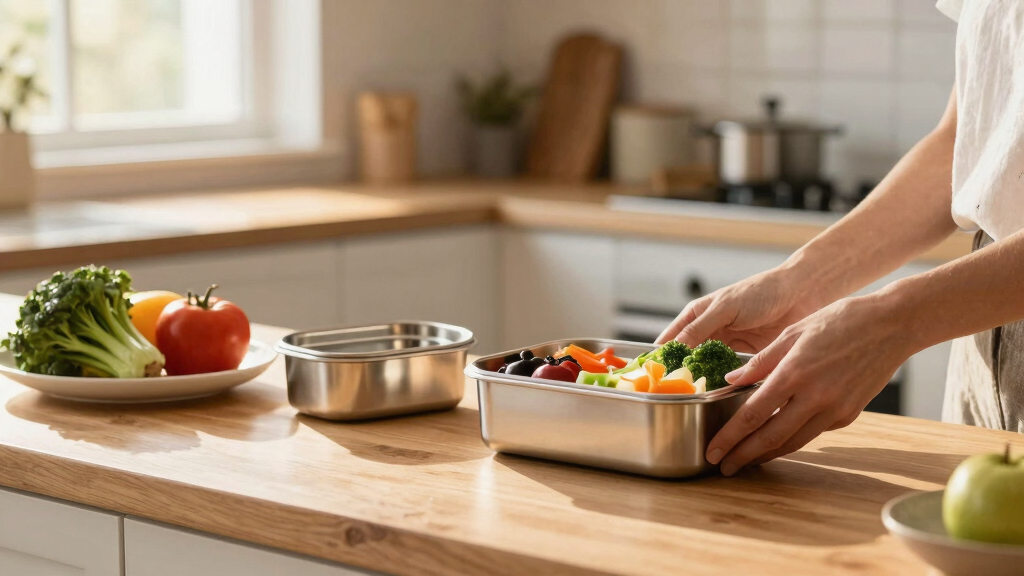
stainless steel lunch box containers
As an affiliate, we earn on qualifying purchases.
As an affiliate, we earn on qualifying purchases.
Durability and How to Pick a Long-Lasting Lunch Box
Durability is key if you want a container that survives daily commutes, dishwasher cycles, and the occasional drop. Plastic might crack over time, but stainless steel and thick glass resist chips and breaks.
For example, a stainless steel lunch box with reinforced edges can last five years or more—saving money and reducing waste. Look for containers with sturdy seals and clasps that won’t loosen or snap easily.
In practice, a durable container means fewer replacements, less plastic waste, and less hassle—making your healthy habits more sustainable.
Leak-Proof and Airtight: Your Food’s Best Friends
Nothing ruins a packed lunch faster than leaks and spills. Leak-proof containers seal tightly to prevent accidents, keeping liquids and moist foods where they belong. For example, a yogurt cup with a silicone gasket can survive a jostling commute without spilling.
Look for containers with secure locking lids, especially if you pack soups or dressings. An airtight seal also keeps food fresher longer, preserving taste and texture.
Imagine the difference between a lunch box that stays clean and dry versus one that needs cleaning after every trip. That’s the power of good sealing.
The Power of Compartments: Packing Balanced, Avoiding Messes
Healthy meals thrive in containers with multiple compartments. They keep different foods separate—think crispy veggies apart from juicy fruits or a crunchy snack away from a moist dip.
For example, a three-section container allows you to pack a sandwich, some cherry tomatoes, and a handful of nuts—all in one box. No mixing, no sogginess.
Choosing containers with customizable compartments makes it easy to plan nutritious, portion-controlled meals, encouraging smarter eating habits.
Here’s a quick comparison:
| Single-Compartment | Multi-Compartment |
|---|---|
| Simple, lightweight | More organized, prevents mixing |
| Less flexible | Customizable, ideal for variety |
Temperature Control: Keeping Food Hot or Cold
Healthy lunch boxes aren’t just about safety—they’re about taste too. Insulated containers with built-in thermal layers keep hot foods hot and cold foods cold for hours.
Picture a steaming bowl of chili at noon or a chilled yogurt parfait—both staying perfect until mealtime. Reusable gel packs or ice packs boost effectiveness.
For longer days, investing in a quality insulated container can mean the difference between a soggy sandwich and a fresh, tasty meal.
Remember: always check if the container is microwave-safe if you plan to heat your food, and avoid stainless steel for microwave use.
Eco-Friendly Containers That Save the Planet
Switching to reusable, eco-friendly containers drastically cuts down on single-use plastics and packaging waste. Materials like stainless steel and glass last years, not months.
Imagine packing your lunch in a sleek stainless steel box that you use daily for five years. That’s hundreds of plastic containers saved from landfills.
Many brands now focus on sustainable sourcing and eco-packaging, making it easier to go green without sacrificing style or convenience.
Opt for brands that prioritize durability and recyclability—your wallet and the planet will thank you.
Latest Trends: Smart, Modular, and Eco-Conscious Designs
Innovation is shaping the future of healthy lunch box containers. Smart containers with app connectivity can track freshness or portion sizes—think of it as your meal’s personal health assistant.
Modular designs let you customize compartments or stack containers for easy carrying, perfect for busy mornings. Some brands now combine silicone seals, stainless steel, and smart tech for a seamless experience.
Eco-conscious manufacturing focuses on biodegradable plastics and minimal packaging, making these containers both high-tech and planet-friendly.
Choosing the latest in design not only elevates your lunch game but also supports sustainability and convenience.
What Features Matter Most When Picking Your Lunch Box
When shopping for a healthy lunch box, prioritize safety, durability, and eco-friendliness. Think about how easy it is to open, clean, and whether it fits your daily routine.
For instance, a child-friendly container should have simple lids and bright colors, while an adult might prefer sleek, minimalist stainless steel.
Key features include leak-proof seals, multiple compartments, temperature retention, and eco-certifications. Always check if the container is dishwasher safe and microwave-compatible.
Choosing wisely means fewer replacements, less waste, and happier, healthier meals.
Frequently Asked Questions
Are plastic lunch boxes safe for children?
Yes, if they are labeled BPA-free, food-grade, and free from harmful chemicals. Always check for certifications and avoid older plastics that might contain unsafe additives.
What material is best for a healthy lunch box?
Stainless steel and glass top the list for safety, durability, and eco-friendliness. They don’t stain or retain odors and are free from chemicals that can leach into food.
How do I clean and maintain lunch box containers?
Most are dishwasher safe, but hand washing is recommended for glass and wood. Regular cleaning prevents odors and bacteria buildup, extending your container’s life.
Are insulated containers worth it?
Absolutely. They keep hot foods hot and cold foods cold for hours, making them ideal for longer days or unpredictable schedules. Just ensure they’re microwave-safe if reheating is needed.
What features should I look for in a lunch box container?
Prioritize leak-proof seals, multiple compartments, durability, ease of cleaning, and eco-friendliness. These features make packing, carrying, and enjoying healthy meals effortless.
Conclusion
The right lunch box isn’t just about keeping food safe—it’s about making healthy choices easier and more sustainable. Investing in durable, eco-friendly containers transforms your daily routine into a small act of care for your health and the planet.
Next time you shop, picture a sleek stainless steel box or a smart, modular container—your future self will thank you for making that smarter choice.
NFL season / tailgating Picks
team gear
As an affiliate, we earn on qualifying purchases.