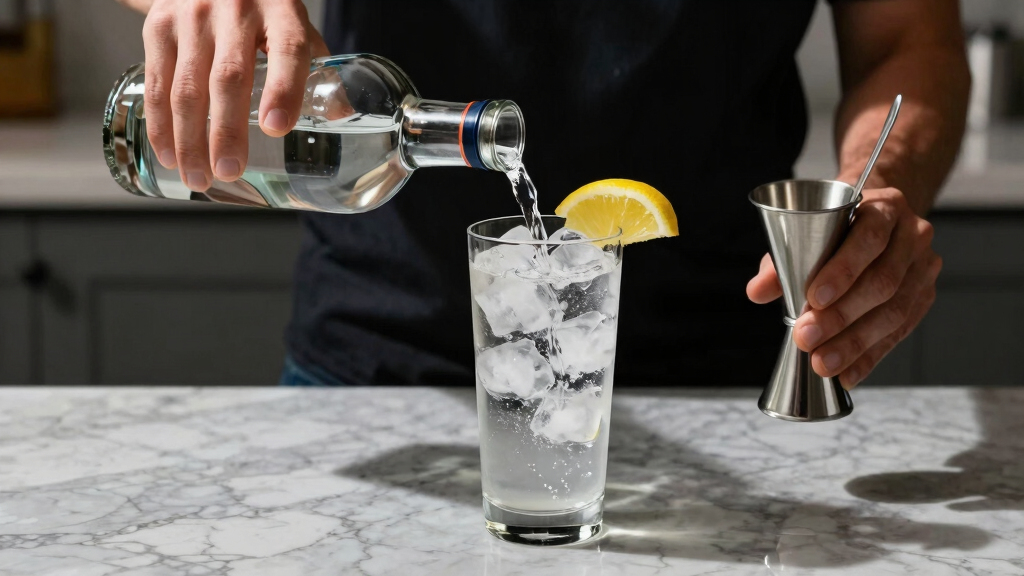

The best gin for gin and tonics in this alcohol-free lineup is Cut Above Non-Alcoholic Gin Alternative, since its full-size bottle gives buyers the most control over tonic, strength, and garnish. CleanCo Clean G is the stronger value choice for regular home mixing, while Strongwater’s 12-pack suits parties where speed matters more than customization. The central choice is between bottled alternatives, which let you tune every drink, and canned G&Ts, which trade that flexibility for convenience. Buyers also need to decide whether they prefer a dry, classic-style serve or the softer fruit character of a pink gin. Continue reading for my full breakdown of where each option fits and what each format gives up.
Key Takeaways
- Cut Above ranks first because its bottled format offers more control and broader mixing flexibility than any canned option in the roundup.
- CleanCo Clean G offers the strongest value case for frequent home serves, since one bottle can make multiple drinks with different tonics and ratios.
- Lyre’s ready-to-drink G&T is the easiest starting point, but beginners gain convenience at the expense of sweetness and strength control.
- Strongwater’s 12-pack is the gathering pick; its larger case is easier to serve to a group than either four-pack, though it creates more commitment to one recipe.
- Lyre’s Pink Gin Alternative is the clearest specialist choice, offering a fruit-led direction that separates it from the more classic-style bottles and canned G&Ts.


| gin for gin and tonic | Calories | Flavor Profile | Bottle Size | Gluten-Free |
|---|---|---|---|---|
| Lyre’s Pink Gin Alternative | 11 per serving | Floral and berry notes | 23.7 fl oz | — |
| CleanCo Clean G Alcohol-Free G | 13 kcal per serving | Juniper, floral, herbal, citrus, and spice | 23.7 fl oz | Yes |
| Strongwater Non-Alcoholic Gin | — | — | — | — |
| Lyre’s Non-Alcoholic G&T 4-Pac | 35 per serving | Juniper, citrus, and quinine | — | — |
| Cut Above Non-Alcoholic Gin Al | Zero | Juniper, citrus, cardamom, and botanicals | 750ml | Yes |
| ISH G&T Non-Alcoholic Gin and | — | — | — | Yes |
More Details on Our Top Picks
Lyre’s Pink Gin Alternative, Non-Alcoholic Botanical Spirit, 23.7 Fl Oz
I rank Lyre’s Pink Gin Alternative as the most appealing choice for drinkers who want their tonic paired with floral and berry-led botanicals rather than a close copy of dry London gin. Its 11-calorie serving and zero-proof formula suit parties where a colorful, grown-up mocktail matters as much as restraint. Compared with CleanCo Clean G, Lyre’s is softer, fruitier, and less focused on juniper, so it works better with plain or elderflower tonic than heavily flavored mixers. That distinction also limits its audience: buyers expecting the piney bite of a classic G&T may find it too delicate or sweet-leaning. It also requires separate tonic and careful proportions, unlike Strongwater’s canned option. I place it here for distinctive pink G&Ts, not for strict gin imitation.
Pros:- Floral and berry notes create a distinctive pink G&T
- Only 11 calories per serving
- Vegan, gluten-free, and allergen-free formulation
- Gift-ready bottle suits parties and alcohol-free celebrations
Cons:- Less juniper-forward than a traditional gin
- Fruit-led profile can clash with strongly flavored tonic
- Requires a separate mixer and measured preparation
Best for: Mocktail hosts who want a low-calorie, pink G&T with floral and berry character
Not ideal for: London-dry gin fans who want a forceful juniper bite and traditional alcoholic warmth
- Bottle Size:23.7 fl oz
- Metric Volume:700ml
- Alcohol by Volume:0%
- Calories:11 per serving
- Flavor Profile:Floral and berry notes
- Spirit Style:Pink London spirit alternative
- Dietary Suitability:Vegan and gluten-free
- Allergen Status:Allergen-free
Our verdict“Choose this for an elegant, fruit-forward zero-proof G&T, but skip it if classic dry-gin character is the goal.”
CleanCo Clean G Alcohol-Free Gin Alternative, 23.7 fl oz (700ml)
CleanCo Clean G earns my overall position because its mix of juniper, herbs, citrus, florals, and spice provides the most balanced base for a familiar G&T. It is more classically gin-like than Lyre’s Pink Gin Alternative, yet its open bottle format offers more control over tonic strength than Lyre’s ready-to-drink G&T. The sugar-free recipe and 13-calorie serving also make repeat pours easier to fit into a low-sugar routine. Its breadth is a strength, though assertive tonic can bury the subtler floral notes, and it still lacks the warmth and body supplied by alcohol. Buyers must also purchase tonic separately. I rank it ahead of the other spirit alternatives for versatility and recognizable botanical structure, while Cut Above remains the sharper pick for anyone prioritizing zero calories and stronger juniper.
Pros:- Balanced juniper, citrus, herbal, floral, and spice profile
- Sugar-free formula with 13 calories per serving
- Works with different tonic styles and garnish combinations
- Vegan and gluten-free
Cons:- Subtle floral notes can disappear beneath assertive tonic
- Cannot reproduce the body or warming finish of alcoholic gin
- Needs a separate tonic and measured pour
Best for: Sugar-conscious drinkers seeking a versatile zero-proof bottle for classic, customizable gin and tonics
Not ideal for: Buyers who want alcoholic warmth or a ready-to-drink can requiring no measuring or mixer
- Bottle Size:23.7 fl oz
- Metric Volume:700ml
- Alcohol Content:Alcohol-free
- Calories:13 kcal per serving
- Sugar:Sugar-free
- Flavor Profile:Juniper, floral, herbal, citrus, and spice
- Vegan:Yes
- Gluten-Free:Yes
Our verdict“This is my strongest all-round choice for a customizable alcohol-free G&T with recognizable gin character.”
Strongwater Non-Alcoholic Gin & Tonic – 12 Pack Cans (8.4 Fl Oz Each)
I give Strongwater Non-Alcoholic Gin & Tonic the fridge-stocking role because its 12 individually portioned cans remove mixing, measuring, and opened-bottle storage from the equation. Compared with Lyre’s four-pack G&T, it supplies three times as many servings, making it better suited to parties, regular weekday drinking, or shared refrigerators. Real fruit, botanicals, quinine, citrus, and lemongrass create a bright, bubbly profile, while the absence of artificial flavors and preservatives will appeal to ingredient-conscious buyers. Convenience comes at the cost of control: the tonic ratio is fixed, the flavor cannot be adjusted easily, and the single profile may become repetitive. It also offers less gin-like complexity than CleanCo Clean G mixed to taste. My ranking favors it for quantity and grab-and-go ease, not for cocktail customization.
Pros:- Twelve single-serve cans suit gatherings and regular fridge use
- Ready-to-drink format eliminates measuring and separate tonic
- Made with real fruit, botanicals, quinine, citrus, and lemongrass
- Contains no artificial flavors or preservatives
Cons:- Fixed gin-to-tonic balance leaves little room for customization
- Single flavor can feel repetitive across a 12-pack
- Botanical structure is less layered than a separately mixed spirit alternative
Best for: Hosts, office refrigerators, and frequent mocktail drinkers who want multiple single-serve cans ready to open
Not ideal for: Home cocktail makers who want to control gin-to-tonic ratio, sweetness, or botanical intensity
- Pack Size:12 cans
- Can Size:8.4 fl oz
- Total Volume:100.8 fl oz
- Beverage Type:Non-alcoholic gin and tonic
- Key Botanicals:Citrus and lemongrass
- Tonic Ingredient:Quinine
- Additives:No artificial flavors or preservatives
- Country of Manufacture:USA
Our verdict“Pick Strongwater when stocked-fridge convenience and serving count matter more than tailoring each G&T.”
Lyre’s Non-Alcoholic G&T 4-Pack, Ready-to-Drink Alcohol-Free Gin & Tonic, 8.45 Fl Oz x 4
Lyre’s Non-Alcoholic G&T is my premium ready-to-drink choice because it combines juniper, citrus, and quinine in a polished single-can format, backed by a 2025 IWSC silver medal. Its four-pack is easier to trial than Strongwater’s 12-pack, and the 8.45-ounce serving works well for picnics, dinner guests, or occasional mocktails. It also provides a more traditional G&T profile than Lyre’s Pink Gin Alternative, which leans toward flowers and berries. The tradeoff is limited flexibility: buyers cannot choose the tonic, alter the base-to-mixer ratio, or create much variation across the pack. At 35 calories per serving, it is also less lean than the bottled zero-calorie Cut Above option before tonic is added. I favor this for small-scale convenience and classic flavor, while Strongwater wins on quantity.
Pros:- Classic juniper, citrus, and quinine profile
- Ready to drink with no separate mixer required
- Four-pack is manageable for occasional use or sampling
- Vegan-friendly, gluten-free, and 35 calories per serving
Cons:- Fixed recipe prevents adjustment of tonic strength
- Four cans offer less stocking value than Strongwater’s 12-pack
- Higher base serving calories than zero-calorie spirit alternatives
Best for: Occasional zero-proof drinkers who want a polished four-pack for dinners, picnics, or a low-commitment trial
Not ideal for: Frequent drinkers seeking bulk value or cocktail makers who prefer choosing their own tonic and proportions
- Pack Size:4 cans
- Can Size:8.45 fl oz
- Total Volume:33.8 fl oz
- Alcohol Content:Alcohol-free
- Calories:35 per serving
- Flavor Profile:Juniper, citrus, and quinine
- Dietary Suitability:Gluten-free and vegan-friendly
- Award:Silver medal at IWSC 2025
- Format:Ready-to-drink
Our verdict“Choose this four-pack for a polished, classic zero-proof G&T without committing to a larger case.”
Cut Above Non-Alcoholic Gin Alternative – 750mL
I select Cut Above Non-Alcoholic Gin Alternative for calorie-focused mixing because the base contains zero calories and zero carbohydrates while retaining juniper, citrus, cardamom, and broader botanical notes. Compared with CleanCo Clean G, it places more emphasis on juniper and removes the latter’s 13 calories per serving, making it a better foundation for drinkers who want a dry, pine-led G&T and close tracking of the base spirit. Its 750ml bottle also provides more liquid than either 700ml Lyre’s Pink or Clean G. The compromise is that its final drink is only calorie-free if paired with an appropriate tonic, and the concentrated profile is designed for mixing rather than neat sipping. Like every zero-proof option here, it lacks alcoholic warmth. My placement recognizes dietary simplicity and cocktail structure, while Clean G remains more rounded.
Pros:- Zero-calorie and zero-carbohydrate base
- Juniper-forward profile stands up well to tonic
- Citrus and cardamom add structure beyond simple pine notes
- 750ml bottle is larger than the 700ml alternatives in this batch
Cons:- Final drink may still contain calories and sugar depending on the tonic
- Designed mainly for mixed drinks rather than neat sipping
- Lacks the body and warming finish supplied by alcohol
Best for: Calorie- and carb-conscious G&T drinkers who favor a juniper-forward base and choose their own tonic
Not ideal for: Neat-spirit drinkers or buyers who expect the warmth, weight, and finish of alcoholic London dry gin
- Bottle Size:750ml
- Type:Non-alcoholic gin alternative
- Calories:Zero
- Carbohydrates:Zero
- Flavor Profile:Juniper, citrus, cardamom, and botanicals
- Flavoring:Naturally flavored
- Gluten-Free:Yes
- Award:2023 U.S. Alcohol-Free Producer of the Year
- Primary Use:Gin and tonics and martinis
Our verdict“Cut Above makes the most sense for a dry, juniper-led G&T when calories and carbohydrates are tightly controlled.”
ISH G&T Non-Alcoholic Gin and Tonic Canned Cocktail, 4 Pack
I rank ISH G&T as the low-calorie canned pick because it delivers juniper, quinine, rosemary, coriander, and black pepper at just 60 calories per can. Its fully mixed format suits buyers who want consistent proportions without purchasing tonic separately. Compared with Strongwater’s 12-pack, ISH has a smaller four-can format that requires less commitment but offers poorer value for frequent hosts. It also differs from Cut Above Gin Alternative: Cut Above allows custom pours and tonic pairings, while ISH favors grab-and-serve convenience. I would place it above simpler canned substitutes for its layered botanical profile and award recognition. The tradeoffs are limited choice, potentially higher pricing than standard canned cocktails, and a profile that will not satisfy buyers who want alcohol’s warmth or effect.
Pros:- Juniper, quinine, herbs, and spice create a layered G&T-style profile
- Fully mixed cans remove measuring and tonic-pairing work
- Only 60 calories per can
- Vegan, gluten-free, and internationally award-winning
Cons:- Four-can pack offers less value and hosting capacity than Strongwater’s 12-pack
- Single G&T flavor provides no variety
- May cost more than standard canned cocktails despite containing no alcohol
Best for: Calorie-conscious adults who want a portioned, alcohol-free G&T for picnics, weeknight drinks, or small social gatherings
Not ideal for: Frequent hosts and cocktail hobbyists who need bulk quantities, adjustable strength, or a choice of tonic and garnish combinations
- Type:Non-alcoholic gin and tonic
- Format:Ready-to-drink cans
- Quantity:4 cans
- Calories per can:60
- Botanical notes:Juniper, rosemary, coriander, and black pepper
- Vegan:Yes
- Gluten-free:Yes
- Awards:Gold, 2024 Aurora International Taste Challenge; Silver, 2021
Our verdict“I recommend ISH G&T for mindful drinkers who prioritize low calories and canned convenience over customization, bulk value, or alcoholic strength.”
How We Picked
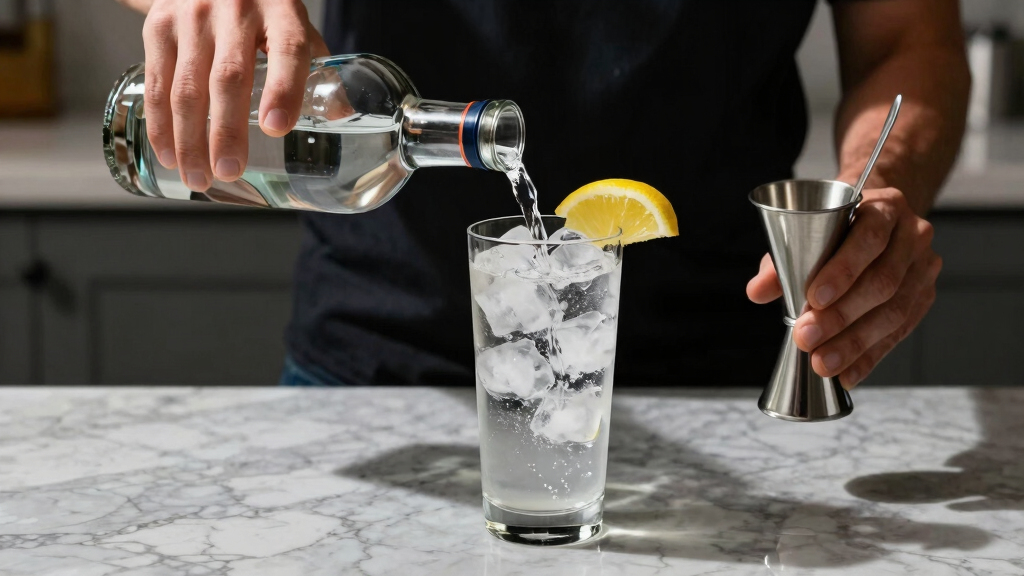
I gave the most weight to how well each option suits a gin and tonic rather than its usefulness across every possible cocktail. My ranking favors botanical presence after tonic and ice, control over the serving ratio, and compatibility with both dry and sweeter mixers. I also examined format, serving flexibility, and likely cost per drink, since a full bottle and a single-serve can solve very different buying problems. Products moved higher when they could accommodate several palates without requiring extra ingredients.
Bottled alternatives received an advantage in the main ranking because buyers can adjust concentration, carbonation, and garnish. Ready-to-drink cans earned more credit for consistent proportions and immediate convenience, especially for parties, travel, and first-time buyers. I treated pink gin as a separate preference rather than an automatic upgrade because its fruit character is less universal. That approach makes Cut Above the broadest recommendation, while the canned options and Lyre’s Pink occupy narrower but clearly defined roles.
| gin for gin and tonic | Flavor Profile |
|---|---|
| Lyre’s Pink Gin Alternative | Floral and berry notes |
| CleanCo Clean G Alcohol-Free G | Juniper, floral, herbal, citrus, and spice |
| Strongwater Non-Alcoholic Gin | — |
| Lyre’s Non-Alcoholic G&T 4-Pac | Juniper, citrus, and quinine |
| Cut Above Non-Alcoholic Gin Al | Juniper, citrus, cardamom, and botanicals |
| ISH G&T Non-Alcoholic Gin and | — |
Factors to Consider When Choosing Best Gin For Gin And Tonics
I would begin by deciding whether the drink needs to be customizable or simply ready when wanted. That choice often matters more than small differences between botanical recipes. The sections below explain the format, tonic, flavor, cost, and labeling choices that shape a satisfying alcohol-free G&T.
Choose Between a Bottle and a Ready-to-Drink Can
A bottled gin alternative makes sense when several people prefer different drink strengths or tonic styles. It allows a host to serve a short, botanical-forward G&T for one guest and a longer, lighter version for another. Cans remove measuring and keep portions predictable, which is useful at picnics or crowded gatherings. Their weakness is that sweetness, dilution, and spirit-to-tonic balance are fixed. Pouring a canned drink over melting ice can also make it feel thinner than intended. I would buy bottles for a home bar and cans when portability or fast service outweighs control.
Match the Tonic to the Botanical Strength
Tonic is not a neutral mixer: its sugar, bitterness, and added flavors can dominate a subtle alcohol-free spirit. A light or dry tonic usually gives delicate botanicals more room, while a standard sweeter tonic can make a thin alternative taste fuller. The common mistake is using a strongly flavored tonic to compensate for weak botanical character; this often produces a drink that tastes mainly of the mixer. Citrus, elderflower, and Mediterranean-style tonics can work, but each pushes the serve farther from a classic profile. I would start with a plain, moderately bitter tonic before buying specialty mixers. Once the base spirit’s character is clear, flavored tonic becomes a deliberate choice rather than a disguise.
Account for Dilution and Botanical Intensity
Alcohol normally carries aroma and gives gin a lingering finish, so an alcohol-free substitute can fade more quickly after tonic and ice are added. A product that smells expressive in the bottle may still produce a restrained mixed drink. Using a smaller tonic pour or larger ice cubes can preserve more botanical definition without adding sweetness. Too little ice is another common error because a few cubes melt quickly and dilute the drink faster. I favor a spirit-forward starting ratio, followed by small additions of tonic until the balance feels right. This is one reason bottled options suit particular drinkers better than fixed-ratio cans.
Decide Between Classic and Fruit-Led Profiles
A classic-style alternative is usually the safer choice for buyers who want juniper, citrus peel, herbs, or spice to lead. Pink gin shifts the drink toward berries and softer fruit, which can make an alcohol-free serve feel more generous but also sweeter. Pairing a fruit-led bottle with flavored tonic may create too many competing sweet notes. A plain tonic and a tart garnish can keep that style balanced. Classic bottles offer greater garnish freedom, ranging from lemon peel to rosemary or peppercorn. I would reserve pink gin for buyers who already prefer fruit-forward drinks rather than treating it as the most versatile bottle.
Compare Cost per Finished Drink
Pack price alone gives a poor comparison because bottles and cans contain different numbers of finished servings. For a bottle, divide its price by the number of pours and add the tonic cost; for cans, the listed unit price is already close to the full cost. Bottles often deliver better value for frequent home use, particularly when tonic is bought in larger packs. Cans can still save money when an opened bottle would sit unused or when buying mixers and garnishes would create waste. A 12-pack lowers serving friction for groups but asks the buyer to commit to one formula. I would compare cost per drink and likely waste, not container size by itself.
Read Alcohol and Serving Labels Carefully
Alcohol-free and non-alcoholic wording can follow different rules across markets, and some products may contain trace amounts. Buyers avoiding alcohol for medical, religious, pregnancy-related, or recovery reasons should check the exact label rather than relying on the product category. Canned G&Ts may also list calories, sugar, and serving size differently from bottled alternatives. A low-calorie claim does not automatically mean a dry or bitter finished drink, since sweeteners can still shape the flavor. Bottles also require buyers to account for the tonic’s nutrition separately. I would verify alcohol content, sweeteners, allergens, and serving size before choosing for a sensitive occasion.
Frequently Asked Questions
Should I Buy a Bottled Gin Alternative or a Canned Alcohol-Free G&T?
I would choose a bottled alternative for home mixing, varied guest preferences, or experimentation with tonic ratios. A can is better when the drink must be portable, quick, and consistent without bar tools. Bottles usually offer more servings and let a buyer correct a drink that feels too sweet or weak. Cans remove that control but reduce open bottles, leftover tonic, and measuring. For parties, Strongwater’s 12-pack is the more practical format; for regular home use, Cut Above or CleanCo makes more sense.
Which Tonic Works Best With Non-Alcoholic Gin?
A plain dry tonic is my preferred starting point because it reveals whether the spirit has enough botanical character to hold its place. Standard tonic adds body and sweetness but can cover delicate citrus or herbal notes. Flavored tonic works best when it complements one clear element rather than adding several new flavors. Pink gin generally benefits from a restrained mixer, while a dry classic-style bottle can handle elderflower or Mediterranean herbs more comfortably. Keep the first pour small because extra tonic cannot be removed once the drink becomes thin.
Is Pink Non-Alcoholic Gin a Good Substitute for Regular Gin in a G&T?
Pink gin works well for drinkers who prefer fruit over firm juniper, but it is not a neutral substitute. Its berry-led profile can soften tonic bitterness and make the serve taste sweeter even without extra sugar. That quality separates Lyre’s Pink from Cut Above and CleanCo, which suit a more classic direction. I would pair it with plain tonic, plenty of ice, and a tart citrus garnish. Buyers seeking one bottle for many guests should choose a more traditional botanical profile instead.
Are Ready-to-Drink G&Ts Better for Beginners?
Ready-to-drink cans are easier because the producer has already chosen the ratio, carbonation, and sweetness. That makes Lyre’s four-pack approachable for beginners who do not want to buy tonic or measure a serve. The limitation is that a beginner may dislike the fixed recipe without knowing whether the spirit or mixer caused the problem. A bottle requires more setup but teaches the buyer how ratio and tonic choice affect flavor. I would start with a can for simplicity and choose a bottle for learning and customization.
How Many G&Ts Can I Make From a 700ml or 750ml Bottle?
A 700ml bottle produces about 14 drinks at a 50ml pour, while a 750ml bottle produces about 15. Larger 60ml servings reduce those totals to roughly 11 or 12 drinks. Alcohol-free spirits sometimes need a stronger pour to remain distinct after tonic, so the label’s serving suggestion may not match a buyer’s preferred ratio. I would calculate value using a realistic 50ml to 60ml serving and include the tonic price. Compared with four-packs, full bottles usually offer more flexibility and lower potential cost per serve for regular drinkers.
Conclusion
For the broadest mix of flavor control and versatility, my best overall pick is Cut Above Non-Alcoholic Gin Alternative. CleanCo Clean G is the best value choice for buyers who plan to make several home serves from one bottle. ISH G&T is my premium ready-to-drink pick for buyers who want a polished canned format without mixing, while Lyre’s ready-to-drink four-pack is the easiest choice for beginners. Strongwater’s 12-pack fits parties and group service, where quantity and speed matter most. Lyre’s Pink Gin Alternative is the specialist recommendation for fruit-forward drinkers who find classic botanical profiles too dry. I would choose a bottle for control, a can for convenience, and the pink option only when a softer fruit profile is the goal.