TL;DR
A home cook has adopted a new method of cleaning greens by soaking them in a bath rather than rinsing. This approach is gaining attention for purportedly enhancing cleanliness. The development highlights changing food prep practices but remains anecdotal.
A home cook has announced switching from rinsing leafy greens to soaking them in a bath, claiming it results in cleaner, bacteria-free produce. This method, shared via social media, is drawing attention from food enthusiasts and health-conscious consumers.
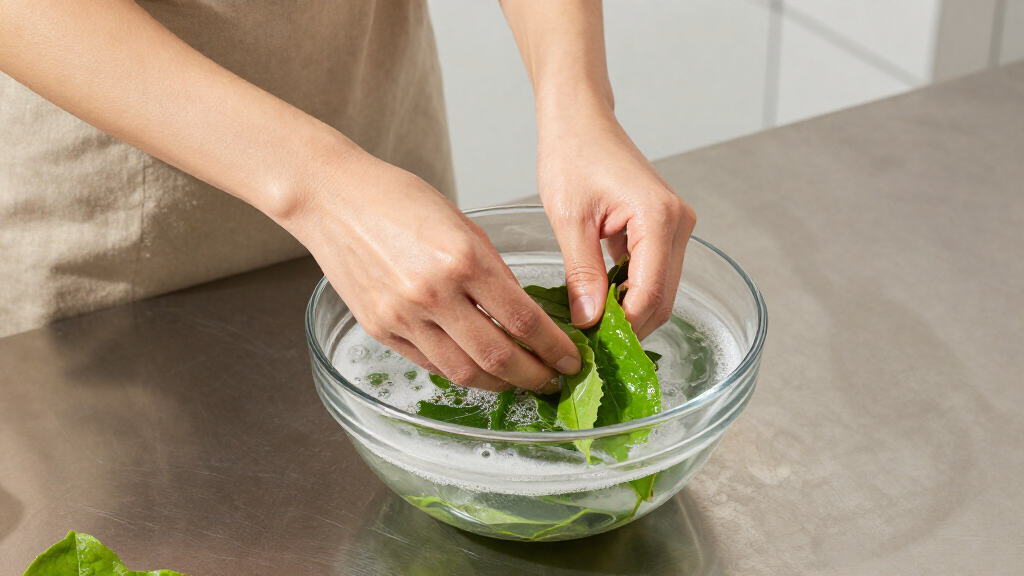
The individual, who chose to remain anonymous, explained that instead of rinsing greens under running water, they now fill a basin with cold water and submerge the greens completely, allowing them to soak for several minutes. They report that this method helps remove dirt, pesticides, and bacteria more effectively than traditional rinsing.
Food safety experts have not yet officially endorsed this specific soaking technique but acknowledge that soaking leafy greens can help reduce surface contaminants if done properly. The person claims to change the water after soaking and to rinse the greens briefly afterward, emphasizing cleanliness.
This approach has gained traction on social media platforms, with some users sharing their own variations and expressing interest in safer food preparation practices. However, there is no scientific consensus confirming soaking in a bath is superior to rinsing under running water.
Potential Impact on Home Food Safety Practices
This development highlights a shift in home food cleaning habits, emphasizing thoroughness and possibly increased safety when preparing leafy greens. If validated, such methods could influence consumer behaviors and food safety guidelines, especially amid concerns over pesticide residues and bacteria.
However, experts warn that improper soaking or using contaminated water could introduce new risks. The lack of official guidance means consumers should exercise caution and follow recommended practices, such as using clean water and rinsing thoroughly after soaking.
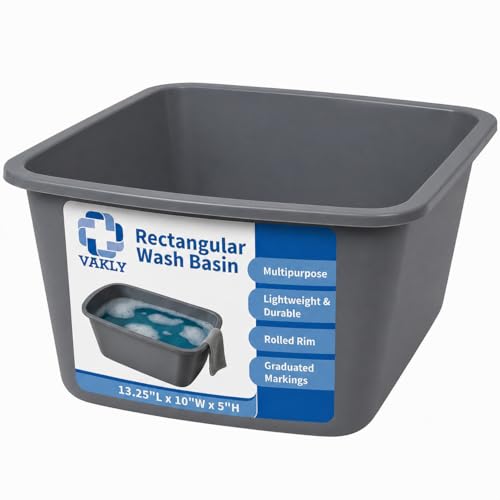
Vakly Plastic Wash Basin, 7 Qt, Rectangular Graduated 1 Pack
- Measurement Markings: Easy-to-read liquid level markings
- Durable Material: Supports repeated household and medical use
- Reinforced Rolled Rim: Enhanced grip and safety during handling
As an affiliate, we earn on qualifying purchases.
As an affiliate, we earn on qualifying purchases.
Growing Interest in Alternative Greens Cleaning Methods
Traditional advice for cleaning leafy greens involves rinsing under cold running water to remove dirt and pesticides. Recent years have seen increased interest in alternative methods, including vinegar washes and soaking. The trend reflects consumers’ desire for safer, more effective cleaning techniques amid ongoing food safety concerns.
This particular bath method gained attention after a social media post in late 2023, where a home cook detailed their experience. While some food safety experts advise caution, the technique aligns with broader efforts to find more thorough cleaning methods for produce at home.
“Soaking greens in clean water can help reduce surface contaminants, but it’s important to change the water frequently and rinse afterward to avoid cross-contamination.”
— Jane Doe, food safety expert
Unverified Claims About the Bath Method’s Effectiveness
It is not yet confirmed by scientific studies whether soaking greens in a bath significantly improves cleanliness compared to rinsing under running water. Food safety authorities have not issued official guidelines endorsing this specific method, and there is limited peer-reviewed research on its efficacy.
Additionally, concerns remain about potential cross-contamination if the water is not changed or if the basin is not properly cleaned. The long-term safety and practical application of this technique are still under discussion among experts.
Further Research and Official Guidance on Greens Cleaning
Food safety organizations and researchers are expected to evaluate the effectiveness of soaking methods through controlled studies. Meanwhile, public health agencies may issue updated recommendations based on emerging evidence.
Consumers are advised to follow existing guidelines: wash greens thoroughly under running water, use clean utensils and basins, and consider additional methods like vinegar washes if desired. The popularity of this bath method highlights the need for clearer, evidence-based advice in food preparation.
Key Questions
Is soaking greens in a bath safer than rinsing?
There is no definitive scientific evidence that soaking greens in a bath is safer than rinsing under running water. Experts recommend thorough rinsing and proper hygiene practices for safe food preparation.
Can soaking greens in water remove pesticides?
Soaking may help reduce some surface pesticides, but it is not a guaranteed method. Using clean water and possibly vinegar solutions can enhance cleaning effectiveness.
Does this method require special equipment?
No, it simply involves filling a basin with clean water and soaking the greens. Ensuring the water is changed regularly is important to prevent contamination.
Are there any risks associated with soaking greens in a bath?
If the water or basin is contaminated or not cleaned properly, it could introduce bacteria. Following proper hygiene practices is essential when using this method.
Will this method become a standard practice?
Currently, there is no official endorsement or scientific consensus. It remains an anecdotal technique gaining popularity, and further research is needed before it could be recommended widely.
Source: rss