
TL;DR

Get kitchen staples and gadgets delivered free with Prime
- Fast, free delivery on millions of items
- Prime Video, Amazon Music and more included
- Member-only deals all year
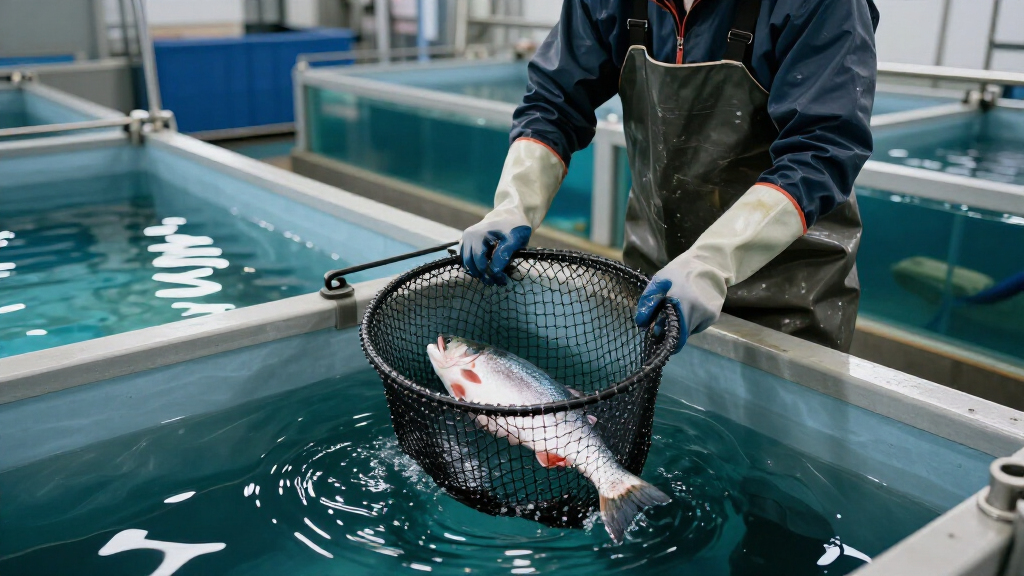
Norway’s expansion into a leading global salmon producer has resulted in significant environmental and ecological concerns. Authorities are now addressing the consequences of this rapid industry growth, which impacts ecosystems and local communities.
Norway, the world’s largest salmon exporter, is facing mounting environmental and regulatory challenges as its salmon farming industry expands rapidly, raising concerns over ecological impacts and sustainability. This development is significant because it affects global food supply chains, local ecosystems, and policy debates about sustainable aquaculture.
Norway’s salmon industry has grown dramatically over the past decade, making it the largest global supplier of farmed salmon, with exports surpassing 2.5 million tons annually, according to the Norwegian Seafood Council. This rapid expansion has been driven by high global demand, especially from markets in the United States, China, and the European Union.
However, this growth has come with environmental costs. Experts and environmental groups have raised concerns about the impact of salmon farms on local ecosystems, including issues such as sea lice infestations, disease spread, and pollution. Recent studies indicate that some regions have experienced declines in wild fish populations and damage to marine habitats near farming sites.
In response, Norwegian authorities announced new regulations in early 2024 aimed at reducing environmental impacts, including stricter limits on farm densities, mandatory fallowing periods, and increased monitoring. Critics, however, argue that these measures may be insufficient to curb ongoing ecological damage and question whether industry practices are sustainable long-term.
Environmental and Economic Impacts of Norway’s Salmon Industry
The expansion of Norway’s salmon industry has significant implications for global food security, as it supplies a substantial portion of the world’s farmed salmon. Yet, it also raises critical concerns about marine ecosystem health, biodiversity, and local fisheries. The industry’s environmental footprint could undermine its sustainability and lead to stricter regulations, affecting global supply chains and prices.
Furthermore, the situation exemplifies the broader challenge of balancing economic growth with environmental conservation in aquaculture. How Norway manages these issues could influence global standards and policies for sustainable seafood production.
As an affiliate, we earn on qualifying purchases.
Growth of Norway’s Salmon Industry and Emerging Challenges
Norway’s rise as a global salmon powerhouse began in the early 2000s, driven by technological advances and favorable regulations. The industry has since become a cornerstone of the Norwegian economy, generating over $10 billion annually in export revenue. This growth coincided with increasing global demand for healthy, protein-rich foods.
Despite its economic success, environmental groups and scientists have warned for years about the ecological risks associated with intensive aquaculture. Incidents of disease outbreaks, sea lice infestations, and escapes of farmed fish have periodically made headlines, raising questions about industry practices and regulatory oversight.
Recent policy shifts reflect a recognition of these issues, but the pace of environmental degradation has prompted urgent calls for more sustainable approaches.
“We are committed to balancing industry growth with environmental stewardship. New regulations are designed to ensure the sustainability of our salmon industry.”
— Norwegian Fisheries Minister
Uncertain Long-Term Sustainability of Norway’s Salmon Boom
It remains unclear whether the new regulations will effectively mitigate environmental damage or if the industry can adapt to more sustainable practices without compromising economic gains. The long-term ecological impacts of continued expansion are still being studied, and there is debate over whether Norway can maintain its industry leadership while protecting marine ecosystems.
Next Steps in Regulating and Sustaining Norway’s Salmon Industry
Expect ongoing policy adjustments as authorities monitor environmental impacts and industry compliance. Further research and technological innovations may be introduced to reduce ecological footprints. Industry stakeholders and environmental groups will likely continue negotiations to balance economic interests with conservation efforts. Additionally, global markets and consumers may influence future industry practices through demand for sustainably farmed seafood.
Key Questions
How much of the world’s salmon does Norway produce?
Norway accounts for approximately 50% of the world’s farmed salmon exports, making it the leading global supplier.
What environmental issues are linked to Norway’s salmon farms?
Issues include sea lice infestations, disease transmission, pollution from waste, and impacts on wild fish populations and marine habitats.
Are the new regulations enough to address environmental concerns?
Experts and environmental groups are skeptical, suggesting that current measures may be insufficient to prevent ecological damage in the long term.
What industries or regions are most affected by these changes?
The Norwegian salmon industry is directly impacted, along with local fishing communities and marine ecosystems near farming sites.
What could happen if environmental issues worsen?
Potential consequences include stricter international trade restrictions, increased regulatory costs, and a shift in consumer preferences toward sustainably farmed seafood.
Source: hn
NFL season / tailgating Picks
team gear
As an affiliate, we earn on qualifying purchases.