
TL;DR

Get kitchen staples and gadgets delivered free with Prime
- Fast, free delivery on millions of items
- Prime Video, Amazon Music and more included
- Member-only deals all year
Air fryers make it easier to prepare healthier meals by reducing oil and fat. They deliver crispy textures quickly, but success depends on ingredient choices, portioning, and cooking techniques.
Imagine biting into a perfectly crispy chicken wing, but with a fraction of the oil and guilt. That’s the promise of an air fryer: a compact convection oven that circulates very hot air around your food, creating that golden crunch you crave. But it’s not magic. It’s about choosing the right ingredients, controlling portions, and understanding the device’s limits.
Whether you’re a seasoned home cook or just starting to explore healthier eating, an air fryer can be a game-changer. It’s fast, versatile, and easy to clean—making vegetables, lean meats, and even snacks more appealing. But to truly make your kitchen healthier, you’ll want to learn the secrets behind maximizing its potential without falling into common pitfalls.
Use minimal oil—just a teaspoon or two—to significantly cut fat without losing crispiness.
Build your meals around vegetables, lean proteins, and whole grains for maximum health benefits.
Don’t overcrowd the basket—leave space for proper air circulation, which is key to crispness.
Limit processed frozen foods and breaded snacks to reduce sodium and additives, even if cooked in an air fryer.
Regularly clean and inspect your device to maintain safety, performance, and longevity.
Why Air Fryers Are Your Shortcut to Healthier Meals
Air fryers cut the amount of oil needed for crispy foods dramatically. Instead of deep-frying in gallons of oil, you only need about a teaspoon or two—sometimes none at all. This simple swap can slash calorie and fat intake without sacrificing that satisfying crunch.
Imagine roasting a batch of sweet potato fries with a light spray of olive oil. The rich aroma of roasted, caramelized edges fills your kitchen. They’re crispy on the outside, tender inside, and loaded with nutrients—no greasy residue or heavy oil to weigh you down.
Plus, the rapid circulation of hot air promotes browning and crispness. Foods like salmon, chicken breasts, or even tofu get that appealing exterior without needing breading or batter. It’s like having a mini convection oven that helps you cook whole meals faster, with less mess and fewer calories.
Most importantly, using an air fryer encourages home cooking. When a meal is quick to prepare and cleanup is simple, you’re more likely to reach for wholesome ingredients instead of processed snacks. This shift alone can improve your overall diet.
As an affiliate, we earn on qualifying purchases.
Watch Out! The Limits of Air Fryers in Healthy Cooking
Just because you’re using an air fryer doesn’t mean every meal becomes automatically healthy. Many frozen or prepackaged foods marketed as ‘healthy’ still pack plenty of sodium, refined carbs, or saturated fats. Remember, an air fryer is a tool—your ingredients and choices matter most.
For example, a handful of frozen, breaded chicken nuggets may be crisp and tasty, but they’re still loaded with salt and additives. The same goes for store-bought veggie chips or pastries—air frying doesn’t magically remove the unhealthy aspects.
And don’t forget: calories still add up. A generous drizzle of oil, cheese, or sauce can turn a light vegetable dish into a calorie bomb. Overcrowding the basket reduces crispness, and charring foods at high heat can create harmful compounds like acrylamide. Using a food thermometer helps prevent overcooking and burning, keeping your meals both tasty and safe.
Capacity can also be misleading. Just because a model claims to hold a certain volume doesn’t mean it fits a large meal in one go. Cooking in batches often yields better texture and flavor.
Foods That Turn Into Healthy Wins in the Air Fryer
Not all foods are created equal in the air fryer. Some lend themselves beautifully to a healthy, crispy finish—think of them as stars of your wellness kitchen. For example:
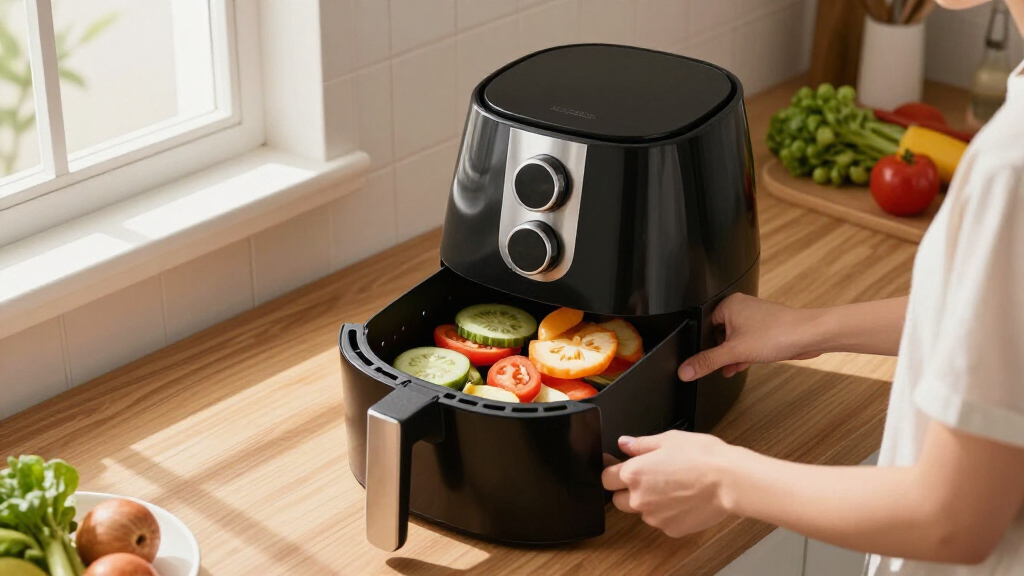
- Vegetables: broccoli, cauliflower, Brussels sprouts, zucchini, peppers, carrots, and green beans—tossed with a light spray of olive or avocado oil, then roasted to caramelized perfection.
- Whole grains and legumes: chickpeas and lentils get crispy when roasted, making excellent snacks or salads.
- Plant-based proteins: tofu and tempeh absorb flavors well and crisp up nicely, adding plant power to your plate.
- Seafood and lean meats: salmon, shrimp, skinless chicken, and turkey stay juicy but get a satisfying, crispy exterior with minimal oil.
- Homemade veggie patties: mash vegetables with oats or nuts, shape into small cakes, and air fry for a healthy burger alternative.
- Leftovers: reheated in the air fryer, they regain crunch without the sogginess microwave often causes.
For best results, use oils like avocado, canola, or refined olive oil. They handle moderate-to-high heat and promote browning without smoke. Lightly spray or brush your ingredients—more oil isn’t better, but enough to help seasonings stick and ensure even crisping.
7 Proven Tips to Make Your Air-Fried Meals Healthier
- Build meals around vegetables and lean proteins: keep your plate colorful and nutrient-dense.
- Measure your oil: a teaspoon or two is enough; avoid pouring directly from the bottle.
- Flavor with herbs and acids: garlic, lemon, vinegar, and spices add zest without extra salt or fat.
- DIY coatings: use whole-grain breadcrumbs, crushed oats, or nuts for crunchy, wholesome crusts.
- Limit processed foods: frozen fries and cured meats can be tempting but often carry high sodium and saturated fat.
- Shake or flip halfway: ensure even crisping and prevent sticking or burning.
- Leave space between pieces: overcrowding steams rather than crisps. Cook in batches if needed.
- Avoid over-browning: aim for a golden-yellow color, not dark or burnt.
- Use a food thermometer: check poultry, fish, and meats for safe internal temperatures.
- Clean regularly: grease buildup can cause smoke and off-flavors. Wash removable parts and wipe down the interior.
What’s New? The Latest Trends in Healthy Air Fryer Cooking
Modern air fryers are more than just small convection ovens—they’re evolving into versatile kitchen machines. Larger models with dual baskets let you cook two different foods at once, perfect for balanced meals. Air-fryer toaster ovens combine baking, toasting, and dehydrating, expanding healthy options.
Innovations include steam-and-air-fry combos that keep foods moist while crisping the exterior. Better temperature sensors and smart controls help prevent overcooking, especially for delicate foods like fish or vegetables.
Energy efficiency is gaining attention too. Since air fryers preheat quickly and cook small portions fast, they often use less power than full-size ovens. Plus, recipes now focus more on vegetables, legumes, and whole grains, aligning with health trends rather than just recreating fried favorites.
Safety & Maintenance Hacks to Keep Your Air Fryer Healthy
Safety isn’t just about preventing accidents—it’s about keeping your air fryer performing well. Place it on a stable, heat-resistant surface with ventilation to avoid overheating. Never block air vents, and don’t overfill the basket—food needs space to crisp up.
Use parchment paper or silicone liners sparingly, and secure them so they don’t touch the heating element. Avoid aerosol sprays with additives; opt for a refillable oil mister instead. Clean the removable parts after each use to prevent grease buildup, which can cause smoke and off-flavors.
Inspect the nonstick coating regularly. If it’s scratched or peeling, replace it to avoid potential ingestion of coating particles. Always follow the manufacturer’s instructions for dishwasher-safe parts, and avoid running the appliance unattended for long periods to prevent overheating or fire risks.
Your Burning Questions About Air Fryers Answered
Are air fryers healthier than deep fryers? Yes, generally they use much less oil—up to 75% less—reducing fat and calorie intake when cooking the same foods [1].
Is air frying as healthy as baking? It’s similar nutritionally, but air fryers offer faster cooking and crispier results, making healthier foods more tempting.
Can I lose weight using an air fryer? It can help by making it easier to prepare low-fat, nutritious meals. But weight loss depends on overall calorie control, not the device alone.
Does air frying destroy nutrients? Like all cooking, it changes nutrients, but shorter cook times and less water help preserve heat-sensitive vitamins.
Is there a cancer risk? Not inherently. Over-browning or burning starchy foods can produce harmful compounds, so aim for a light, golden finish and avoid charring.
How much oil is enough? About a teaspoon to two per batch is plenty—many frozen foods already contain oil, so adjust accordingly.
Can I use foil or parchment? Yes, if the manufacturer allows, but don’t block airflow and secure liners to prevent contact with the heating element.
Conclusion
Mastering your air fryer turns it from a gadget into a powerful ally in your health journey. By choosing the right ingredients, cooking techniques, and maintenance routines, you can enjoy crispy, flavorful meals without the excess fat or calories.
Next time you reach for that bag of frozen fries, ask yourself: how can I make this healthier? Your taste buds—and your body—will thank you for it.
NFL season / tailgating Picks
team gear
As an affiliate, we earn on qualifying purchases.