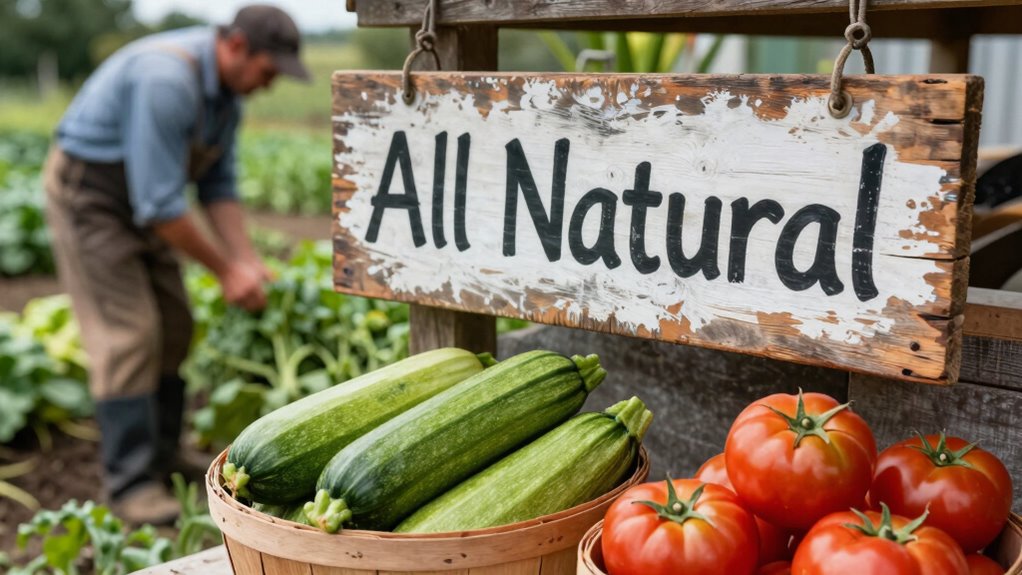

Many small producers assume that branding products as “all natural” automatically earns trust, but this can backfire without clear, transparent communication. Consumers often see “all natural” as a vague marketing term, so they may become skeptical if it’s not backed by credible evidence. Relying solely on the label without explaining ingredients or processes can hurt your reputation. To truly stand out, focus on transparency and consistent messaging—there’s more to uncover that can boost your credibility.

Get kitchen staples and gadgets delivered free with Prime
- Fast, free delivery on millions of items
- Prime Video, Amazon Music and more included
- Member-only deals all year
Key Takeaways
- Assuming “all natural” is universally understood and trusted, without clarifying its specific meaning or benefits.
- Relying solely on the label without providing transparent information about ingredients and sourcing.
- Overestimating consumer familiarity, leading to vague claims that can cause confusion or skepticism.
- Failing to support “all natural” claims with credible evidence or consistent messaging.
- Using the label as a shortcut for brand integrity instead of genuinely demonstrating natural practices and transparency.
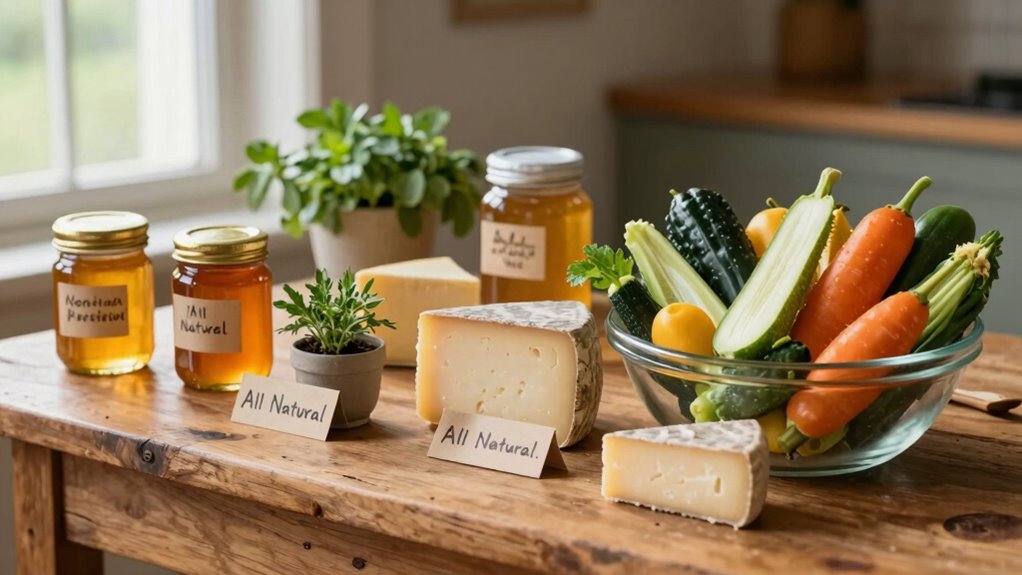
Have you ever wondered if those “all natural” labels on small producer products truly mean what they claim? Many small producers rely heavily on this label to attract customers, thinking it automatically signifies purity, healthiness, and quality. But the truth is, consumers are often skeptical, and your marketing strategies need to address that. Simply slapping “all natural” on your packaging isn’t enough to build trust or stand out in a crowded marketplace. You have to understand that consumer perceptions around this label are complex and sometimes inconsistent. Some shoppers see “all natural” as a guarantee of safety or superior quality, while others view it as a vague, marketing buzzword with little real meaning. If you’re not clear about what your claim genuinely represents, you risk confusing consumers or, worse, damaging your credibility.
All-natural labels can be confusing; clarify what they truly mean to build trust and credibility with consumers.
Many small producers mistakenly assume that “all natural” is a universally understood and respected term. They don’t realize that consumers often interpret it differently based on their backgrounds, experiences, and knowledge. This misjudgment can lead to marketing strategies that are too vague or overly optimistic, which ultimately backfire. Instead of relying solely on the label, you should educate your audience about what “all natural” actually means in your context. For example, if your product contains only ingredients derived from natural sources without artificial additives, make that explicit. Transparency in your messaging can help shape consumer perceptions positively, creating a perceived authenticity that big brands often lack. Understanding how consumer perceptions are shaped by diverse backgrounds and experiences is crucial for building a credible brand. Incorporating market research insights can help you better understand what your target audience expects and values. Additionally, being aware of regulatory standards surrounding natural claims can help you avoid unintentional misrepresentations.
Another mistake small producers make is assuming that “all natural” sells itself. You might think that simply putting the label on your product will automatically draw in customers. But in reality, you need to reinforce this claim with credible evidence and consistent messaging. Your marketing strategies should highlight the specific benefits of your natural ingredients, how your process preserves those qualities, and why consumers should trust your product over competitors. Building this narrative helps shift consumer perceptions from skepticism to confidence. Additionally, sharing transparent information about your sourcing and production methods can further enhance trust and authenticity, making your claims more believable.
Ultimately, the “all natural” label isn’t just a marketing tool—it’s a representation of your brand’s integrity. If you understand how consumer perceptions vary and craft honest, transparent marketing strategies, you can turn this label into a genuine selling point. Be clear about what “all natural” means in your product, communicate it effectively, and you’ll foster trust that can translate into loyal customers. Remember, authenticity and honesty resonate more than vague claims, especially in a market increasingly driven by informed, conscious consumers.
natural ingredient labels for food products
As an affiliate, we earn on qualifying purchases.
As an affiliate, we earn on qualifying purchases.
Frequently Asked Questions
How Do Regulations Vary Across Different Countries Regarding “All Natural” Claims?
You need to understand that regulations on “all natural” claims vary across countries due to differing cross border standards and regulatory discrepancies. Some regions have strict definitions, requiring specific ingredients and processing methods, while others are more lenient. This means your product’s “all natural” label might be acceptable in one country but misleading or non-compliant in another. Always research local rules to guarantee your claims are accurate and lawful across markets.
Can Synthetic Ingredients Ever Be Considered “All Natural”?
It’s like believing a fairy tale—synthetic ingredients can never truly be “all natural.” You might use natural substitutions, but synthetics inherently lack the organic origin required for the label. While some argue they’re safe or identical, the core definition of “all natural” excludes synthetics. So, if you aim for authenticity, steer clear of synthetic ingredients and focus on real, natural components to meet genuine “all natural” standards.
What Are Common Misconceptions About Labeling Products as “All Natural”?
You might think labeling a product as “all natural” instantly builds consumer trust, but labeling confusion often misleads buyers. Many assume “all natural” means no synthetic ingredients, yet regulations are vague, allowing some products to include additives. As a small producer, you should prioritize transparency and clear communication. Don’t rely solely on “all natural” claims; educate consumers about what’s truly inside to build trust and avoid misleading them.
How Can Small Producers Verify Their Ingredients Meet “All Natural” Standards?
You can verify your ingredients meet “all natural” standards by thoroughly researching your ingredient sourcing and understanding certification processes. Start by choosing suppliers who provide transparent information about their sourcing methods. Then, seek third-party certifications that validate your ingredients, such as USDA Organic or Non-GMO Project, to guarantee compliance. Regularly review your suppliers’ certifications and stay updated on standards to maintain your claim’s credibility.
What Are the Potential Legal Risks of Making “All Natural” Claims?
Playing it safe, you avoid legal liabilities by ensuring honesty in your “all natural” claims. Misleading marketing strategies can lead to consumer perception problems, including lawsuits or fines. If you overstate or misrepresent ingredients, authorities may scrutinize your labeling, risking reputational damage and legal penalties. To prevent pitfalls, always base claims on verified ingredients and transparent marketing, safeguarding your small business from potential legal risks and building trust with your customers.
Conclusion
So, next time you see “all natural” on a small producer’s label, remember that what seems like a simple claim might hide more than you think. Sometimes, a product’s story, or a coincidence in ingredients, can trick the eye just as easily as it attracts your trust. Don’t let assumptions fool you—dig a little deeper. Because, in the end, what’s natural isn’t always what it seems, even from the smallest producers.
Halloween Picks
halloween
As an affiliate, we earn on qualifying purchases.