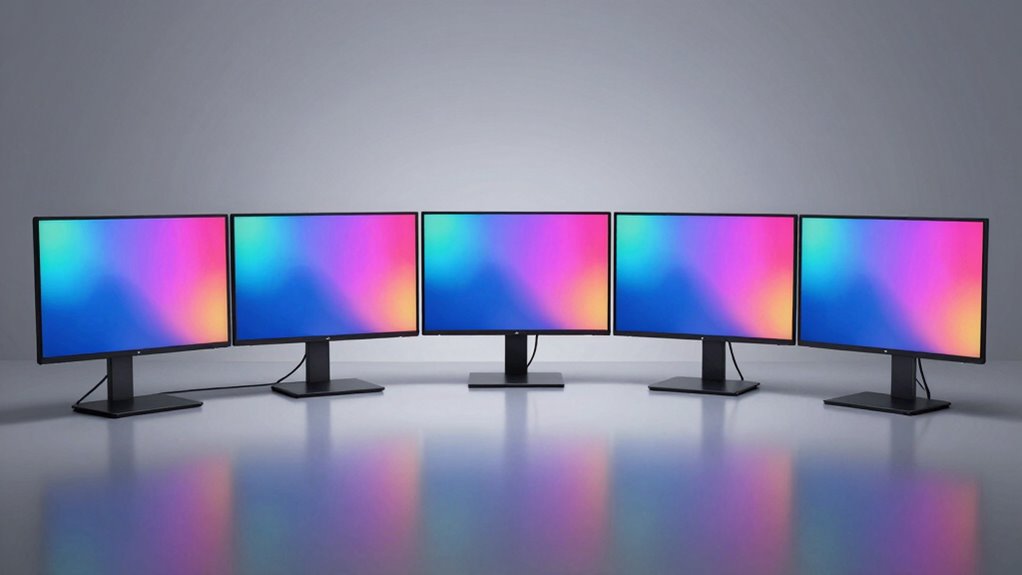

Choosing a color calibrated monitor for photo editing is essential for ensuring your images display accurately across screens and print. The best options balance high color accuracy, wide color gamuts, and reliable calibration tools. The Eizo ColorEdge CG319X stands out as the top overall pick for its superb color precision and professional features, while the BenQ SW270C offers excellent value for budget-conscious creators. Keep in mind that many monitors in this category face tradeoffs between resolution, size, and price. Continue reading to see how these options compare and find the right fit for your needs.

Get kitchen staples and gadgets delivered free — and shop member deals
- Fast, free delivery on millions of items
- Access to Prime Big Deal Days deals on October 6–7
- Prime Video, Amazon Music and more included
Key Takeaways
- High-end monitors like the Eizo ColorEdge CG319X deliver unparalleled color accuracy but come at a premium price.
- Budget-friendly options such as the BenQ SW270C offer solid calibration features and wide color gamuts for less money.
- Size and resolution vary significantly; larger 4K screens provide more workspace but often cost more and require powerful hardware.
- Calibration tools and built-in hardware calibration are key features for maintaining color fidelity over time.
- Compatibility with different workflows and connectivity options can influence which monitor fits best into existing setups.
| Asus ProArt Display PA248QV 24.1-inch WUXGA IPS Monitor |  | Best Overall for Versatile Professional Use | Display Size: 24.1 inches | Resolution: 1920 x 1200 | Color Standard: 100% sRGB, 100% Rec. 709 | VIEW ON AMAZON | See Our Full Breakdown |
| Eizo ColorEdge CG319X 31.1-Inch Wide Screen Hardware Calibration IPS LED 4K Monitor |  | Best for High-Detail, Color-Accurate 4K Work | Display Size: 31.1 inches | Resolution: 4096 x 2160 | Color Coverage: 99% Adobe RGB, 98% DCI-P3 | VIEW ON AMAZON | See Our Full Breakdown |
| ASUS ProArt PA278QV 27-Inch 1440p QHD Professional Monitor |  | Best for Budget-Conscious Professionals | Display Size: 27 inches | Resolution: 2560 x 1440 | Color Gamut: 100% sRGB & Rec. 709 | VIEW ON AMAZON | See Our Full Breakdown |
| BenQ PD2705Q AQCOLOR 27-inch QHD IPS Monitor with USB-C and Daisy Chain |  | Best for Multi-Monitor Setups and Versatile Connectivity | Size: 27 inches | Resolution: 2560 x 1440 | Color Coverage: 100% sRGB, 100% Rec. 709 | VIEW ON AMAZON | See Our Full Breakdown |
| ASUS ProArt Display PA27UCX-K 4K HDR IPS Mini LED Professional Monitor (Renewed) |  | Best for High-Impact HDR and Wide Gamut Work | Display Size: 27 inches | Resolution: 4K UHD | Backlight Technology: Mini LED | VIEW ON AMAZON | See Our Full Breakdown |
| BenQ SW272Q 27-inch 2K USB-C Photographer Monitor, 99% Adobe RGB, 98% DCI-P3, Nano Matte Panel, HDR |  | Best Overall for Professional Photo and Video Editing | Display Size: 27 inches | Resolution: 2560 x 1440 pixels | Color Gamut: 99% sRGB, 99% Adobe RGB, 98% DCI-P3 | VIEW ON AMAZON | See Our Full Breakdown |
| ASUS ProArt PA279CRV 27-Inch 4K UHD HDR Professional Monitor for Mac |  | Best for 4K Resolution and Extensive Connectivity | Display Size: 27 inches | Resolution: 3840 x 2160 (4K UHD) | Color Coverage: 99% DCI-P3, 99% Adobe RGB | VIEW ON AMAZON | See Our Full Breakdown |
| BenQ PD2770U 27” 4K Color Management Monitor, Hardware Calibration, 99% Adobe RGB/DCI-P3, 100% Rec.709, USB-C, Daisy Chain, KVM, Height Adjustable for Creative Professionals |  | Best for Versatile Connectivity and Professional Calibration | Display Size: 27 inches | Resolution: 3840 x 2160 pixels | Color Coverage: 99% Adobe RGB, 99% DCI-P3 | VIEW ON AMAZON | See Our Full Breakdown |
| ViewSonic VP2756A 27 Inch 2K Monitor with USB-C and 120Hz Refresh Rate |  | Best for Fast-Smooth Editing and Versatile Workflow | Display Size: 27 inches | Resolution: 2560 x 1440 (2K) | Refresh Rate: 120Hz | VIEW ON AMAZON | See Our Full Breakdown |
| ASUS ProArt Display 32” 4K HDR Mini-LED Professional Monitor (PA32UCXR) |  | Best for High Brightness and HDR Workflow | Display Size: 32 inches | Resolution: 3840 x 2160 (4K UHD) | Backlight Technology: Mini-LED | VIEW ON AMAZON | See Our Full Breakdown |
| ASUS ProArt PA27JCV 27-Inch 5K USB-C Professional Monitor for Mac |  | Best Overall for High-Resolution, Color-Accurate Work | Display Size: 27 inches | Resolution: 5120 x 2880 (5K) | Panel Type: IPS | VIEW ON AMAZON | See Our Full Breakdown |
| BenQ SW270C Photo & Video Editing Monitor 27″ QHD 1440p |  | Best Value for Accurate Color with Ergonomic Comfort | Size: 27 inches | Resolution: QHD 1440p | Color Coverage: 99% Adobe RGB, sRGB, Rec. 709 | VIEW ON AMAZON | See Our Full Breakdown |
| color calibrated monitor for photo editing | Resolution | Display Size | Connectivity | Color Coverage |
|---|---|---|---|---|
| Asus ProArt Display PA248QV 24 | 1920 x 1200 | 24.1 inches | DisplayPort, HDMI, D-sub, USB 3.0 | — |
| Eizo ColorEdge CG319X 31.1-Inc | 4096 x 2160 | 31.1 inches | — | 99% Adobe RGB, 98% DCI-P3 |
| ASUS ProArt PA278QV 27-Inch 14 | 2560 x 1440 | 27 inches | DisplayPort, HDMI, DVI-D, USB | — |
| BenQ PD2705Q AQCOLOR 27-inch Q | 2560 x 1440 | — | USB-C, HDMI, DisplayPort | 100% sRGB, 100% Rec. 709 |
| ASUS ProArt Display PA27UCX-K | 4K UHD | 27 inches | — | — |
| BenQ SW272Q 27-inch 2K USB-C P | 2560 x 1440 pixels | 27 inches | DisplayPort, HDMI, USB Type-C | — |
| ASUS ProArt PA279CRV 27-Inch 4 | 3840 x 2160 (4K UHD) | 27 inches | USB-C (96W), DisplayPort, HDMI | 99% DCI-P3, 99% Adobe RGB |
| BenQ PD2770U 27” 4K Color Mana | 3840 x 2160 pixels | 27 inches | USB-C (96W), DisplayPort, USB hub | 99% Adobe RGB, 99% DCI-P3 |
| ViewSonic VP2756A 27 Inch 2K M | 2560 x 1440 (2K) | 27 inches | USB-C (90W), HDMI, DisplayPort | 100% sRGB, Rec.709 |
| ASUS ProArt Display 32” 4K HDR | 3840 x 2160 (4K UHD) | 32 inches | — | — |
| ASUS ProArt PA27JCV 27-Inch 5K | 5120 x 2880 (5K) | 27 inches | USB-C with DisplayPort, data transfer, 96W power | — |
| BenQ SW270C Photo & Video Edit | QHD 1440p | — | USB-C (60W), HDMI, USB hub, card reader | 99% Adobe RGB, sRGB, Rec. 709 |
More Details on Our Top Picks
Asus ProArt Display PA248QV 24.1-inch WUXGA IPS Monitor
The Asus ProArt PA248QV stands out for its combination of accurate color reproduction and flexible ergonomics, making it a strong choice for those who need dependable calibration in a manageable size. Unlike larger 4K options such as the Eizo ColorEdge CG319X, it offers a more accessible price point and easier desk setup, though it doesn’t match the ultra-high resolution or broader color coverage of premium models. Its factory calibration with Calman verification and ΔE < 2 ensure precise color for photo editing, while its extensive connectivity supports diverse workflows. The main tradeoff is that, being a non-4K monitor, it may fall short for editors working in very high-resolution workflows or requiring the utmost pixel detail. Overall, this pick makes the most sense for creative professionals who value consistent color accuracy in a compact, ergonomic form.
Pros:- Excellent factory calibration with ΔE < 2 for precise color accuracy
- Wide color gamut covering 100% sRGB and Rec. 709
- Flexible connectivity including DisplayPort, HDMI, and USB 3.0 ports
- Ergonomic stand with tilt, swivel, pivot, and height adjustments
Cons:- Renewed product may have limited warranty and support
- Higher price compared to consumer-grade monitors
Best for: Photo editors and creative professionals seeking a reliable, calibrated monitor with flexible adjustments in a 24-inch size.
Not ideal for: Users needing 4K resolution or working on large-scale, detail-critical projects that require ultra-high pixel density.
- Display Size:24.1 inches
- Resolution:1920 x 1200
- Color Standard:100% sRGB, 100% Rec. 709
- Calibration:Calman Verified, ΔE < 2
- Connectivity:DisplayPort, HDMI, D-sub, USB 3.0
- Adjustments:Tilt, swivel, pivot, height
Our verdict“This monitor is ideal for professionals needing dependable color accuracy with versatile ergonomics in a compact form.”
Eizo ColorEdge CG319X 31.1-Inch Wide Screen Hardware Calibration IPS LED 4K Monitor
The Eizo ColorEdge CG319X is a top-tier 4K display for professionals who need exceptional detail and color precision. Compared with the Asus ProArt PA248QV, it offers a much larger 31.1-inch screen with 4K resolution, making it better suited for detailed editing and large-format work. Its built-in calibration sensor guarantees consistent color fidelity over time, a feature that outperforms many monitors requiring manual calibration. Although its high price and weight might be prohibitive for some, this model provides coverage of 99% Adobe RGB and 98% DCI-P3, ensuring vibrant, true-to-life colors. The limited HDMI ports and hefty size demand ample workspace and investment, but for users editing high-resolution images or videos, this is a compelling choice. It excels where pixel-perfect detail and color stability are priorities.
Pros:- Exceptional 4K resolution with high pixel density
- Built-in calibration sensor for consistent color accuracy
- Wide color space coverage (99% Adobe RGB, 98% DCI-P3)
- Adjustable stand for ergonomic comfort
Cons:- High cost and large footprint limit accessibility for some users
- Limited HDMI ports for connectivity
Best for: Professional photographers and video editors needing 4K resolution with reliable, ongoing calibration support.
Not ideal for: Editors with limited desk space or those on a tight budget who don’t require 4K or extensive color coverage.
- Display Size:31.1 inches
- Resolution:4096 x 2160
- Color Coverage:99% Adobe RGB, 98% DCI-P3
- Contrast Ratio:1500:1
- Brightness:350 cd/m²
- Stand Adjustments:Tilt, swivel, height
Our verdict“This monitor is best for professionals demanding precise, high-resolution visuals and reliable color fidelity over time.”
ASUS ProArt PA278QV 27-Inch 1440p QHD Professional Monitor
The ASUS ProArt PA278QV offers a compelling balance of color accuracy and affordability, especially compared to larger 4K models like the BenQ SW272Q. Its 27-inch QHD display provides sharp detail without the higher costs of 4K screens, making it ideal for those who don’t need ultra-high resolution but still require precise color calibration. With factory calibration and Delta E < 2, it ensures consistent, accurate colors suitable for photo editing. The extensive connectivity, including USB hub, plus ergonomic options and eye care features, make it a versatile choice for long editing sessions. The main limitation is its 1440p resolution, which may fall short for editors working at very high pixel counts or on very large images. Overall, it’s suited for professionals seeking a calibrated, feature-rich monitor at a more accessible price.
Pros:- Accurate factory calibration with Delta E < 2
- Wide viewing angles with consistent color reproduction
- Extensive connectivity options including USB hub
- Ergonomic stand with multiple adjustments
Cons:- Limited to 1440p resolution, not 4K
- Requires registration for extended warranty
Best for: Budget-conscious photographers and designers who want reliable color accuracy without 4K resolution.
Not ideal for: Users needing the highest detail for large-format or ultra-high-resolution images, or those requiring 4K workflow compatibility.
- Display Size:27 inches
- Resolution:2560 x 1440
- Color Gamut:100% sRGB & Rec. 709
- Calibration:Calman Verified, Delta E < 2
- Connectivity:DisplayPort, HDMI, DVI-D, USB
- Stand Adjustments:Tilt, pivot, swivel, height
Our verdict“This monitor is best for those needing dependable color accuracy in a more affordable 27-inch format without 4K resolution.”
BenQ PD2705Q AQCOLOR 27-inch QHD IPS Monitor with USB-C and Daisy Chain
The BenQ PD2705Q is designed for creative professionals who need color accuracy paired with flexible multi-monitor workflows. Its factory calibration, covering 100% sRGB and Rec. 709, matches the color fidelity of other professional-grade displays like the ASUS ProArt PA278QV, but with added support for daisy chaining via USB-C. Its KVM switch and ergonomic stand enhance productivity, making it a practical choice for complex setups. However, at 27 inches, it falls short for those who prefer larger screens or ultra-high resolutions. Its Delta E ≤ 3 and Pantone validation ensure reliable colors, though the absence of built-in calibration sensors means manual calibration is necessary for ongoing precision. It’s a well-rounded pick for multi-monitor environments with a focus on connectivity.
Pros:- Factory-calibrated with Delta E ≤ 3 and Pantone validation
- Supports daisy chaining with USB-C
- Includes ergonomic features and KVM switch
- Color coverage of 100% sRGB and Rec. 709
Cons:- Limited to 27 inches, small for some workflows
- No built-in calibration sensor, requiring manual calibration
Best for: Designers managing multi-monitor setups needing color accuracy and versatile connectivity options.
Not ideal for: Single-monitor users or those requiring 4K resolution or HDR support for high-end visual fidelity.
- Size:27 inches
- Resolution:2560 x 1440
- Color Coverage:100% sRGB, 100% Rec. 709
- Calibration:Factory calibrated, Delta E ≤ 3
- Connectivity:USB-C, HDMI, DisplayPort
- Features:Daisy chain, KVM, ergonomic stand
Our verdict“This monitor is suitable for multi-monitor setups demanding color accuracy and flexible connectivity, without the need for 4K resolution.”
ASUS ProArt Display PA27UCX-K 4K HDR IPS Mini LED Professional Monitor (Renewed)
The ASUS ProArt PA27UCX-K excels where HDR and wide color gamuts are essential, making it a prime choice for high-end photo and video editing. Its 4K resolution, mini LED backlighting, and support for HDR formats like Dolby Vision and HDR-10 provide lifelike visuals that surpass non-HDR monitors such as the BenQ PD2705Q. With 97% DCI-P3 and 99.5% Adobe RGB, it delivers vibrant, accurate colors, while its hardware calibration technology ensures ongoing precision. The USB-C with 90W power delivery simplifies setup, and the inclusion of the X-rite calibration device streamlines workflow. Despite being a renewed product with potential warranty limitations, this monitor is overkill for casual users but ideal for professionals needing extraordinary color and contrast. Its premium features justify the high price for demanding workflows.
Pros:- Exceptional color accuracy with wide gamut support and delta-E < 1
- High contrast with local dimming and HDR support
- Hardware calibration with included X-rite device
- USB-C with 90W Power Delivery for simplified connectivity
Cons:- Renewed product may have limited warranty
- High cost may be prohibitive for some users
- Overkill for non-professional workflows
Best for: High-end photographers and videographers requiring HDR, wide color gamut, and precise calibration in a 4K display.
Not ideal for: Casual users or those on a tight budget, as its premium features come with a significant price tag and potential support limitations due to being renewed.
- Display Size:27 inches
- Resolution:4K UHD
- Backlight Technology:Mini LED
- HDR Support:Yes (Dolby Vision, HDR-10, HLG)
- Color Gamut:97% DCI-P3, 99.5% Adobe RGB
- Contrast Ratio:7x enhancement with local dimming
Our verdict“This monitor is best suited for demanding professionals needing top-tier HDR performance, extensive color coverage, and reliable calibration in 4K.”
BenQ SW272Q 27-inch 2K USB-C Photographer Monitor, 99% Adobe RGB, 98% DCI-P3, Nano Matte Panel, HDR
The BenQ SW272Q stands out for its combination of wide color coverage—99% Adobe RGB and 98% DCI-P3—making it ideal for detailed color grading. Its Nano Matte panel effectively reduces glare, a significant advantage over glossy screens like the ViewSonic VP2756A, which can struggle with reflections in bright environments. While its 2K resolution is sharp, it doesn’t match the 4K clarity of the ASUS ProArt PA279CRV, which may matter for pixel-precise work. The hardware calibration support ensures consistent, reliable colors, but it requires regular calibration to maintain accuracy. Power consumption is higher than some alternatives, and the 60Hz refresh rate isn’t suited for fast-motion editing or gaming. Overall, this monitor makes a compelling choice for professionals prioritizing color fidelity and glare reduction, despite some energy and refresh rate limitations.
Pros:- Exceptional wide color gamut coverage for accurate color work
- Nano Matte anti-reflection panel reduces glare effectively
- Hardware calibration support for consistent, reliable colors
- Good connectivity options including USB-C
Cons:- Higher power consumption compared to smaller or less feature-rich models
- 60Hz refresh rate limits use for fast motion editing or gaming
- Requires regular calibration for optimal performance
Best for: Professional photographers and videographers who need precise color accuracy with minimal glare in their workflow.
Not ideal for: Casual users or gamers who require higher refresh rates or lower energy use.
- Display Size:27 inches
- Resolution:2560 x 1440 pixels
- Color Gamut:99% sRGB, 99% Adobe RGB, 98% DCI-P3
- Panel Type:Nano Matte LCD
- Brightness:300 nits
- Connectivity:DisplayPort, HDMI, USB Type-C
Our verdict“This monitor is best suited for professionals who need accurate, vibrant colors and glare reduction in a dedicated editing setup.”
ASUS ProArt PA279CRV 27-Inch 4K UHD HDR Professional Monitor for Mac
The ASUS ProArt PA279CRV offers a stunning 4K UHD resolution that surpasses the 2K displays like the BenQ SW272Q, providing sharper detail for pixel-precise editing. Its factory calibration and Delta E < 2 ensure highly accurate color reproduction, matching the needs of professional editors, especially those working on high-resolution projects. Compared to the BenQ SW272Q, its 4K resolution allows for more detailed image editing, but it comes at a higher price point and demands a more powerful system to drive the display at full resolution. Its ergonomic stand and multiple ports—especially USB-C with 96W Power Delivery—offer great flexibility for creative setups. However, the premium cost and limited speaker details make it less appealing for users on a tighter budget or those seeking an all-in-one media solution.
Pros:- 4K UHD resolution delivers ultra-sharp detail
- Factory calibrated with Delta E < 2 for precise colors
- Versatile connectivity including USB-C with Power Delivery
- Ergonomic stand with multiple adjustments
Cons:- High price may be prohibitive for casual or budget-conscious users
- Limited built-in features like speakers or media enhancements
- Requires a compatible system to fully leverage 4K resolution
Best for: Photographers and video editors working on high-resolution projects who need reliable color accuracy and extensive connectivity.
Not ideal for: Casual users or gamers who prioritize refresh rate over resolution and color precision.
- Display Size:27 inches
- Resolution:3840 x 2160 (4K UHD)
- Color Coverage:99% DCI-P3, 99% Adobe RGB
- Color Accuracy:Delta E < 2
- Connectivity:USB-C (96W), DisplayPort, HDMI
- Features:Factory calibrated, HDR, ergonomic stand
Our verdict“This monitor is ideal for professionals demanding high-resolution detail and robust connectivity, with a premium price tag.”
BenQ PD2770U 27” 4K Color Management Monitor, Hardware Calibration, 99% Adobe RGB/DCI-P3, 100% Rec.709, USB-C, Daisy Chain, KVM, Height Adjustable for Creative Professionals
The BenQ PD2770U balances high color accuracy with versatile features like hardware calibration and extensive connectivity, making it stand out among 27-inch 4K displays. Its 99% Adobe RGB and DCI-P3 coverage rival the ASUS ProArt for color fidelity but adds useful features such as KVM switch and daisy-chaining, ideal for multi-device workflows. Compared to the ViewSonic VP2756A, its calibration support and USB-C with 96W Power Delivery enhance productivity. However, its 60Hz refresh rate limits use for fast-paced editing or gaming. The limited USB ports may also restrict some setups. Overall, this monitor caters well to creative professionals who need consistent color, flexible connectivity, and ergonomic adjustments, despite a higher price point.
Pros:- Hardware calibration with built-in calibrator for color consistency
- Extensive connectivity including USB-C with 96W Power Delivery
- Ergonomic height adjustment and magnetic shading hood
- Daisy chaining support for multi-monitor setups
Cons:- Limited to 60Hz refresh rate, not suitable for fast motion
- Higher price compared to basic color-accurate monitors
- Only one USB port may restrict peripheral connections
Best for: Graphic designers and video editors who need hardware calibration, multiple device support, and flexible connectivity.
Not ideal for: Casual users or gamers requiring high refresh rates or extensive USB ports for peripherals.
- Display Size:27 inches
- Resolution:3840 x 2160 pixels
- Color Coverage:99% Adobe RGB, 99% DCI-P3
- Calibration:Hardware calibration with built-in calibrator
- Connectivity:USB-C (96W), DisplayPort, USB hub
- Features:Ergonomic stand, Daisy Chain, KVM
Our verdict“This monitor offers professional-grade color accuracy and flexible connectivity for creative workflows with a premium price.”
ViewSonic VP2756A 27 Inch 2K Monitor with USB-C and 120Hz Refresh Rate
The ViewSonic VP2756A excels with its 120Hz refresh rate, a feature rarely seen in color-accurate monitors like the BenQ SW272Q, making it suitable for editing workflows involving motion or video. Its 100% sRGB and Rec.709 coverage ensure reliable color reproduction, and factory calibration with Delta E<2 guarantees accuracy out of the box. The inclusion of a 90W USB-C docking station simplifies connectivity, especially for professionals with multiple peripherals. However, the 2K resolution isn’t as detailed as 4K options like the ASUS ProArt PA279CRV, which may be a drawback for pixel-perfect editing. Its size and feature set suit creative professionals who need smooth visual performance in a versatile, adjustable display, but it might be overkill for simple photo editing.
Pros:- 120Hz refresh rate facilitates smooth editing and motion work
- Accurate color with 100% sRGB and Rec.709 coverage
- Integrated 90W USB-C docking for easy device connection
- Fully adjustable ergonomic stand
Cons:- Lower resolution than 4K monitors, less detail for high-res editing
- Premium price may be high for some budgets
- Designed primarily for professional workflows, overkill for basic photo editing
Best for: Video editors and motion designers who need high refresh rates alongside color accuracy for fluid workflows.
Not ideal for: Photographers seeking maximum resolution and static image precision, or casual users on a tight budget.
- Display Size:27 inches
- Resolution:2560 x 1440 (2K)
- Refresh Rate:120Hz
- Color Coverage:100% sRGB, Rec.709
- Connectivity:USB-C (90W), HDMI, DisplayPort
- Adjustments:Tilt, swivel, rotate, height
Our verdict“This display is best for professionals who combine motion editing with color accuracy and need a smooth visual experience.”
ASUS ProArt Display 32” 4K HDR Mini-LED Professional Monitor (PA32UCXR)
The ASUS ProArt PA32UCXR pushes the boundaries with its 32-inch 4K HDR Mini-LED panel, offering an astonishing 1600 nits peak brightness and 2,304 local dimming zones. Its wide color gamut support—99% Adobe RGB and 97% DCI-P3—paired with a built-in colorimeter, makes it a powerhouse for HDR color grading and high-dynamic-range workflows. Compared to narrower gamut monitors like the BenQ SW272Q, it excels in high-contrast scenes and HDR content, but its size and complexity may not suit smaller workspaces or less technical users. The advanced calibration features and multiple HDR formats make it ideal for colorists and HDR video editors, though its premium cost and size could be barriers for some professionals.
Pros:- Exceptional peak brightness and contrast with Mini-LED technology
- Accurate wide color gamut and hardware calibration with built-in colorimeter
- Supports multiple HDR formats including Dolby Vision
- Extensive connectivity options including Thunderbolt 4 and USB-C
Cons:- High price and large footprint make it less accessible for some users
- Calibration and HDR features require technical expertise
- Complex setup may be overwhelming for casual users
Best for: HDR content creators and colorists needing high brightness, contrast, and comprehensive calibration tools.
Not ideal for: Photographers or casual users who prioritize affordability or have limited workspace space.
- Display Size:32 inches
- Resolution:3840 x 2160 (4K UHD)
- Backlight Technology:Mini-LED
- Peak Brightness:1600 nits
- Color Gamut:99% Adobe RGB, 97% DCI-P3
- Features:Built-in colorimeter, HDR support, local dimming
Our verdict“This monitor suits HDR professionals and colorists seeking top-tier brightness and calibration, despite its high cost and size.”
ASUS ProArt PA27JCV 27-Inch 5K USB-C Professional Monitor for Mac
This model stands out for its stunning 5K resolution and factory-calibrated color accuracy, making it ideal for detailed photo editing. Compared with the BenQ SW270C, the ASUS PA27JCV offers a higher pixel count and wider DCI-P3 coverage, which benefits workflows demanding precise detail and richer color. Its USB-C connectivity supports video, data, and power delivery, streamlining workspace setup. However, the premium price may be a barrier for casual users, and its large size requires a dedicated desk space. The inclusion of an auto KVM switch and extended warranty underscores its focus on professional environments. Overall, this monitor suits those needing ultra-high resolution with professional-grade color fidelity.
Pros:- Stunning 5K resolution offers exceptional detail for editing fine textures
- Factory-calibrated with Delta E<2 ensures accurate color reproduction
- Versatile USB-C supports video, data, and 96W power transfer
- Includes auto KVM switch and 5-year warranty for professional reliability
Cons:- Premium price can be prohibitive for non-professional users
- Large size may require significant desk space and setup effort
Best for: Professional photographers and designers who require pixel-perfect detail and color precision in a large display.
Not ideal for: Casual hobbyists or users with limited desk space who do not need 5K resolution or extensive color coverage.
- Display Size:27 inches
- Resolution:5120 x 2880 (5K)
- Panel Type:IPS
- Color Gamut:99% DCI-P3, 100% sRGB
- Color Accuracy:Delta E<2
- Connectivity:USB-C with DisplayPort, data transfer, 96W power
Our verdict“Best suited for professionals who need the highest resolution and color accuracy in a large, versatile display.”
BenQ SW270C Photo & Video Editing Monitor 27″ QHD 1440p
This pick offers excellent color precision with 99% Adobe RGB coverage and factory calibration, making it a strong choice for professional photo and video editors. Compared to the ASUS ProArt PA27JCV, the BenQ SW270C features a lower resolution (QHD 1440p), which reduces hardware demands and costs but sacrifices some pixel detail. Its ergonomic design with tilt, pivot, swivel, and height adjustment enhances extended working comfort. The inclusion of HDR and Pantone validation boosts its appeal for color-critical workflows. However, its 1440p resolution may fall short for those who need ultra-fine detail, and its price remains high for casual users. This monitor is ideal for professionals prioritizing accurate color in a versatile, ergonomic package without the need for 5K resolution.
Pros:- High-quality color accuracy with 99% Adobe RGB and factory calibration
- Ergonomic adjustments support long hours of comfortable use
- Supports HDR, expanding contrast and brightness for video editing
- Versatile connectivity including USB-C with 60W charging
Cons:- Lower resolution (1440p) may limit detail for some workflows
- Premium price may be steep for hobbyists or casual users
Best for: Photographers and video editors seeking precise color reproduction with ergonomic flexibility at a more accessible price point.
Not ideal for: Users requiring ultra-high resolution or working on very detailed projects that benefit from 4K or higher displays.
- Size:27 inches
- Resolution:QHD 1440p
- Color Coverage:99% Adobe RGB, sRGB, Rec. 709
- Color Accuracy:Delta E ≤2
- Connectivity:USB-C (60W), HDMI, USB hub, card reader
- Technology:AQCOLOR, HDR
Our verdict“Ideal for professionals who prioritize color fidelity and ergonomic comfort over ultra-high resolution in a mid-sized monitor.”

How We Picked
These monitors were selected based on their color accuracy, calibration capabilities, build quality, and overall value for photo editing. Priority was given to models with wide color gamuts like Adobe RGB and DCI-P3, as well as those with hardware calibration options for consistent results. We also considered display size, resolution, connectivity, and user interface. The ranking reflects a balance between professional-grade features and affordability, helping users find options suited for both beginners and seasoned professionals.Factors to Consider When Choosing Color Calibrated Monitor For Photo Editing
When choosing a color calibrated monitor for photo editing, it’s important to consider multiple factors that influence both image quality and workflow efficiency. A good monitor should offer accurate color reproduction, reliable calibration, and comfortable ergonomics. Understanding these key aspects will help you select a display that meets your specific needs and budget, avoiding common pitfalls like underestimating calibration requirements or choosing monitors with narrow color gamuts.Color Accuracy and Gamut Coverage
The core reason for selecting a photo editing monitor is its ability to display colors faithfully. Look for monitors that cover a wide color gamut, such as Adobe RGB or DCI-P3, which are essential for accurate color representation in professional workflows. Be wary of monitors that claim high color accuracy but only support sRGB; they may not meet the demands of high-end photo work. Calibration tools and hardware calibration support are equally important for maintaining this accuracy over time.Resolution and Screen Size
Resolution impacts how much detail you can see, with 4K (3840×2160) offering the clearest images and more workspace for editing. Larger screens, especially in 27 inches and above, help reduce eye strain and improve precision. However, higher resolution screens demand more powerful hardware and can come with a higher price tag. Balancing size and resolution based on your workspace and system capabilities is essential for an efficient editing environment.Calibration and Hardware Support
Reliable calibration is critical for consistent color accuracy, particularly if you work across multiple devices or print. Monitors with built-in hardware calibration sensors simplify the process, allowing you to fine-tune colors without external tools. Regular calibration routines prevent color drift over time, which can otherwise compromise your work. Consider whether your workflow benefits from dedicated calibration hardware, especially in professional settings.Connectivity and Ergonomics
Multiple connectivity options like USB-C, HDMI, and DisplayPort ensure compatibility with various devices. USB-C is especially convenient for modern laptops and simplifies cable management. Ergonomic features such as height adjustment, tilt, and swivel contribute to a comfortable working posture, reducing fatigue during long editing sessions. Think about your existing setup and future expandability when selecting a monitor with the right ports and ergonomic adjustments.Price and Long-Term Value
While high-end monitors offer premium features, they come with higher costs. It’s important to evaluate whether the features justify the price for your specific needs. Budget options can deliver good results for hobbyists or occasional editors, but may lack advanced calibration or color coverage. Investing in a slightly more expensive model with better calibration tools and wider color support often pays off over time by ensuring your work remains consistent and accurate.Frequently Asked Questions
Do I need a hardware calibration monitor for professional photo editing?
Hardware calibration monitors are highly recommended for professional workflows where color accuracy is critical. They contain built-in sensors that allow for precise calibration without relying solely on software adjustments, which can drift over time. These monitors ensure consistent color reproduction across different sessions and devices, reducing the risk of discrepancies in your final output. While software calibration can suffice for hobbyists, professionals should prioritize hardware-supported models for the most reliable results.Is a 4K monitor necessary for photo editing, or is 1440p sufficient?
A 4K monitor provides significantly more workspace and finer detail, which can improve accuracy and efficiency in editing high-resolution images. However, 1440p displays still offer good color fidelity and are more affordable, making them suitable for many hobbyists or those with less powerful hardware. The decision depends on your workflow needs and system capabilities; if you work with large files or need pixel-level precision, a 4K display offers clear advantages.How important is color gamut coverage in a photo editing monitor?
Color gamut coverage directly impacts how accurately a monitor can reproduce colors. For professional work, aim for at least 99% Adobe RGB and DCI-P3 coverage, which ensures your colors are true to what you see in print or on other screens. Monitors with limited color spaces can cause discrepancies, especially when preparing images for print or digital media. Prioritizing wide gamuts ensures your edits will translate well across different platforms and outputs.Should I consider a monitor with HDR support for photo editing?
HDR support can enhance your viewing experience by displaying a wider range of brightness levels, but it is less critical for photo editing unless you work specifically with high dynamic range images. Monitors with HDR often come with higher prices and may have limited color accuracy in HDR mode. For most editing tasks, focus on color accuracy, calibration features, and wide color gamuts rather than HDR support unless your work involves HDR content.How often should I calibrate my monitor for photo editing?
For professional accuracy, calibrating your monitor once a month is generally recommended, especially if you work extensively with color-sensitive projects. Monitors tend to drift over time due to temperature changes and aging components, which can affect color accuracy. Using hardware calibration tools with scheduled routines ensures consistency, minimizing surprises in your final output. Regular calibration helps maintain confidence that your edits will look the same on other devices and in print.Conclusion
For most users, the Asus ProArt Display PA278CV offers a compelling balance of affordability and professional-grade features, making it ideal for enthusiasts and semi-pros. The Eizo ColorEdge CG319X remains the best choice for dedicated professionals who demand the highest color accuracy and reliability, despite its higher price. Beginners or hobbyists should consider budget-friendly options like the BenQ SW270C that still deliver wide color coverage and good calibration support. Ultimately, your choice hinges on your workflow, budget, and need for precision—these options cover a broad spectrum to help you find the perfect fit.
NFL season / tailgating Picks
team gear
As an affiliate, we earn on qualifying purchases.