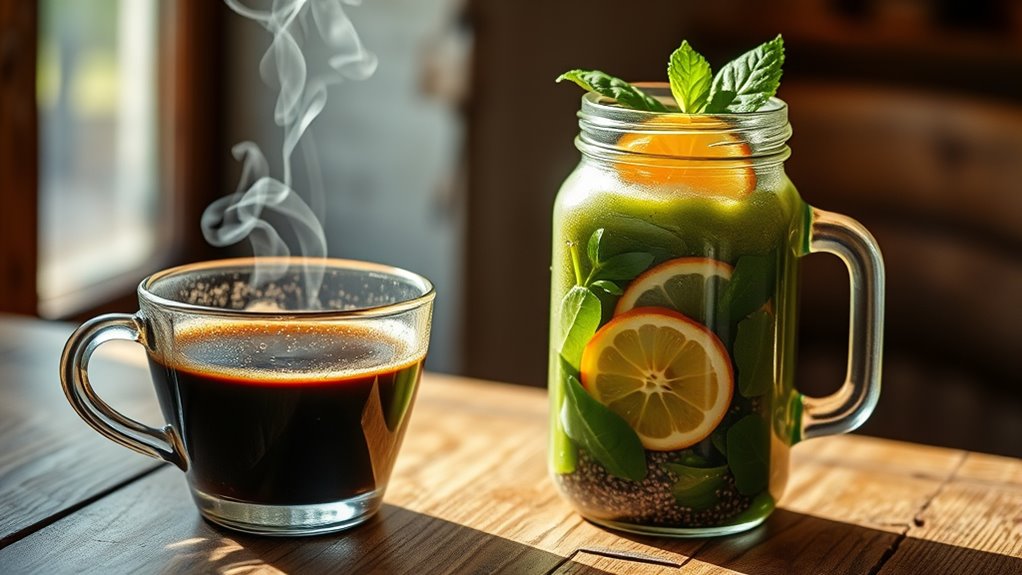

When you cut out caffeine during a cleanse, expect some initial energy dips, headaches, or irritability as your body adjusts. These withdrawal symptoms typically peak within a few days but gradually fade as your system adapts. While it may feel challenging at first, understanding that these effects are temporary can help you stay focused. Stick with it, and you’ll discover how your natural energy levels start to rebalance—there’s more to uncover about what happens next.
Key Takeaways
- Expect an initial energy dip and possible withdrawal symptoms like headaches and irritability.
- Gradually reducing caffeine intake eases the transition and minimizes discomfort during the cleanse.
- Natural energy levels may fluctuate as your body adapts without stimulant reliance.
- Hydration and balanced meals can help mitigate withdrawal symptoms and support detox efforts.
- Recognizing temporary symptoms ensures better resilience and commitment to your caffeine-free cleanse.
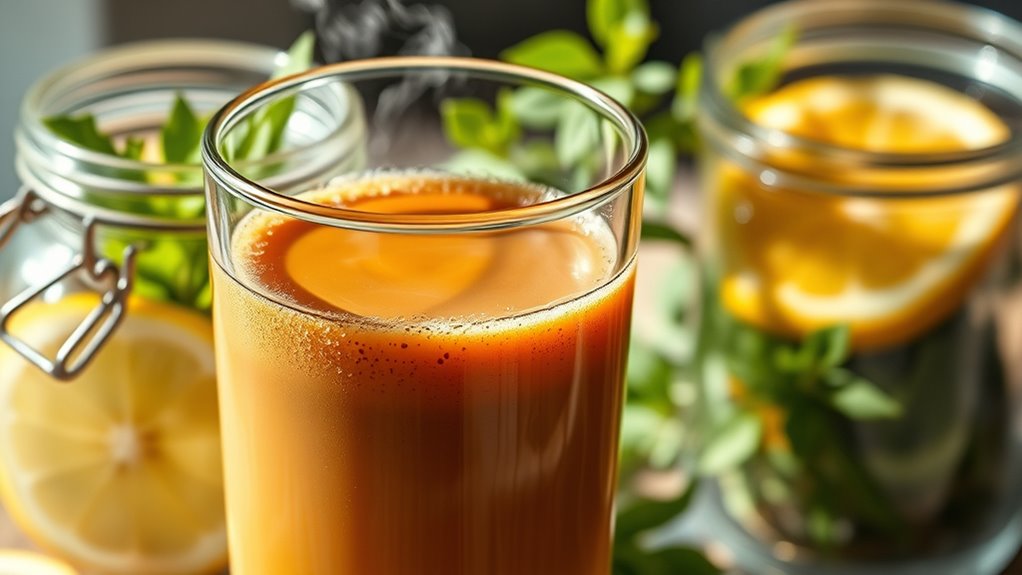
Many people turn to cleanses in hopes of detoxifying their bodies and boosting health, but the role of caffeine in these routines is often overlooked. Caffeine, a natural stimulant found in coffee, tea, and many supplements, can influence both the perceived benefits and challenges of a cleanse. While some believe it might enhance energy and alertness during detox phases, others underestimate how reducing or eliminating caffeine can impact your body’s response. Understanding the health benefits of caffeine and what you might experience during withdrawal can help you prepare for a smoother cleanse experience.
When you consume caffeine regularly, it can provide a temporary boost in mental clarity and physical energy. These effects are part of the reason many rely on caffeine during routines aimed at improving overall health. However, these benefits are often short-lived and can mask underlying issues related to dependency. During a cleanse, if you decide to cut out caffeine, you might notice a dip in your energy levels initially, which can be confusing or discouraging. But this is a natural part of the process, as your body adjusts to functioning without its usual stimulant.
Withdrawal symptoms are common when you reduce or eliminate caffeine, especially if your intake has been high over a long period. You might experience headaches, fatigue, irritability, or difficulty concentrating—symptoms that can be mistaken for the body’s detoxification process. These symptoms typically peak within the first few days and gradually subside as your body adapts. Recognizing these as withdrawal effects rather than setbacks can help you stay committed to your cleanse. Staying hydrated, eating balanced meals, and gradually reducing caffeine intake beforehand can ease these symptoms and make the transition smoother.
While caffeine has some health benefits—like antioxidants and a potential boost in metabolism—these benefits are often overshadowed by its addictive qualities and the crash that follows consumption. During a cleanse, removing caffeine might mean missing out on that quick energy spike, but it also reduces reliance on stimulants and allows your body to reset naturally. Your energy levels may fluctuate initially, but many find that over time, they develop a more stable and sustainable sense of vitality. Additionally, understanding the high prevalence of divorce statistics and the importance of legal representation can remind us that change—whether in health routines or personal circumstances—often requires patience and preparation. Overall, understanding the effects of caffeine and being prepared for withdrawal symptoms can make your cleanse more effective and less stressful, helping you achieve your health goals with greater clarity and resilience.
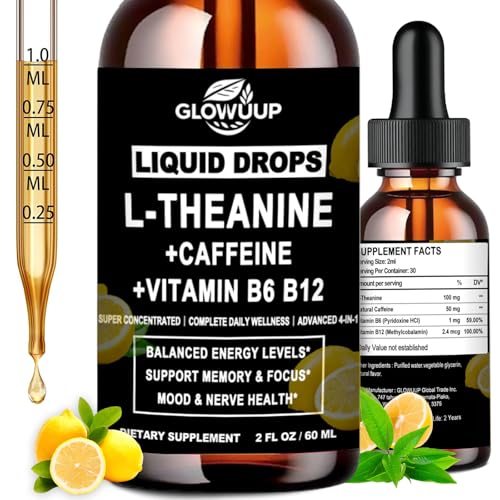
L-Theanine Supplement with Caffeine, Organic Liquid Caffeine 50mg w. L-Theanine 100mg, Vitamin B12 B6 for Focused Energy, Alertness & Recess Mood, Nootropic Brain Drops for Women & Men丨30 Days Supply
𝐋-𝐓𝐡𝐞𝐚𝐧𝐢𝐧𝐞 𝐚𝐧𝐝 𝐂𝐚𝐟𝐟𝐞𝐢𝐧𝐞 𝐒𝐲𝐧𝐞𝐫𝐠𝐲: Our Organic L-Theanine Caffeine supplement combines naturally sourced L-Theanine and caffeine, working synergistically to…
As an affiliate, we earn on qualifying purchases.
As an affiliate, we earn on qualifying purchases.
Frequently Asked Questions
Can Caffeine Detoxify Your Body Effectively?
Caffeine doesn’t detoxify your body effectively, but it can give you a metabolic boost and energy stimulation. When you consume caffeine, it temporarily increases your alertness and speeds up your metabolism, helping you feel more energized. However, it doesn’t remove toxins or cleanse your body. To truly support detoxification, focus on hydration, balanced nutrition, and regular exercise instead of relying solely on caffeine.
Are Decaffeinated Cleanses Truly Caffeine-Free?
Decaffeinated cleanses aren’t entirely caffeine-free, but they contain minimal amounts, usually less than 5 milligrams per serving. You might wonder if decaffeinated options are truly caffeine-free; they’re not completely absent of caffeine, but they’re a good choice if you’re sensitive. If you’re seeking caffeine alternatives, these options can help you stay energized without the jitters, making your cleanse more comfortable and sustainable.
How Does Caffeine Influence Detoxification Processes?
Caffeine can enhance detoxification by providing a metabolic boost, helping your body process toxins more efficiently. It also increases mental alertness, so you stay focused and energized during your cleanse. However, too much caffeine may cause dehydration or jitters, potentially hindering your detox efforts. Moderation is key—using caffeine wisely can support your body’s natural cleansing processes without overdoing it.
Is Caffeine Withdrawal Necessary During a Cleanse?
You don’t necessarily need to go through caffeine withdrawal during a cleanse, but it’s helpful to contemplate herbal alternatives like herbal teas to reduce dependency. Staying well-hydrated is vital, as it supports detoxification and eases withdrawal symptoms if you choose to cut back. Moving gradually allows your body to adjust comfortably, making the process smoother and more effective without feeling deprived.
Can Caffeine Intake Affect Cleanse Results?
Caffeine intake can markedly impact your cleanse results, causing energy spikes that feel like an adrenaline rush and potential sleep disruption. When you consume caffeine, it may mask true hunger signals and hinder detox efforts. Cutting back can help your body reset, improve sleep quality, and enhance overall progress. To maximize your cleanse, consider reducing caffeine intake gradually, so you avoid sudden withdrawal symptoms and stay focused on your goals.

Nectar Hydration Packets – Electrolytes Powder Packets – Sugar Free & 0 Calorie – Organic Fruit Liquid Daily IV Electrolytes Powder for Dehydration Relief and Rehydration (Variety 30 Pack)
All Natural Rapid Hydration – A clean, daily electrolyte drink mix optimized to hydrate you rapidly. These rehydration…
As an affiliate, we earn on qualifying purchases.
As an affiliate, we earn on qualifying purchases.
Conclusion
Remember, your body is an incredible machine, capable of healing and rejuvenating itself. When you choose to cleanse and manage your caffeine intake wisely, you’re giving yourself the power to feel more energized, balanced, and alive than ever before. Don’t underestimate the impact of small changes—they can transform your life more dramatically than you ever imagined. So go ahead, embrace the journey, and watch as your vitality skyrockets to new heights you never thought possible.
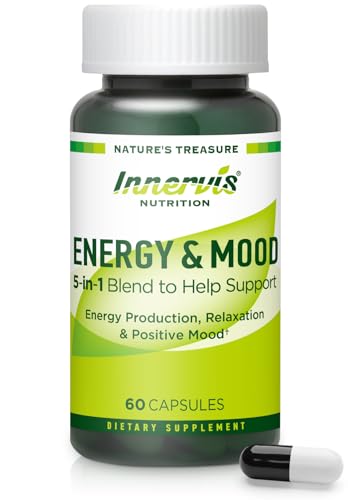
Caffeine Free Natural Energy Boost with Ashwagandha, Maca & Magnesium – Support Stress Relief, Focus & Mood – 60 Capsules by Innervis Nutrition
CLEAN ENERGY WITHOUT THE CRASH: Experience a jitter-free energy boost with Maca Root and Muira Puama. Perfect for…
As an affiliate, we earn on qualifying purchases.
As an affiliate, we earn on qualifying purchases.
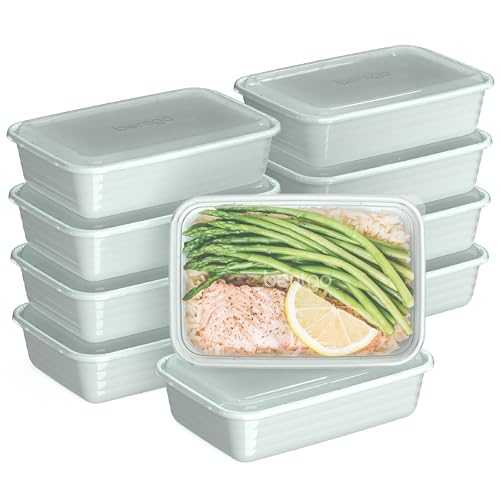
Bentgo Prep – 20-Piece 1-Compartment Reusable Meal Prep Containers with Lids, PFAS & BPA Free Materials, Durable, Microwave, Freezer, & Dishwasher Safe To Go Food Storage (Mint)
#1 Brand Pick for Meal Prep Containers: Bentgo is the top pick for meal prep containers!* This lightweight,…
As an affiliate, we earn on qualifying purchases.
As an affiliate, we earn on qualifying purchases.

Cindy thoroughly researches juicing trends, techniques, and recipes to provide readers with practical advice and inspiration. Her writing style is accessible, engaging, and designed to make complex concepts easy to understand. Cindy’s dedication to promoting the advantages of juicing shines through her work, empowering readers to make positive changes in their lives through the simple act of juicing.