
TL;DR

Get kitchen staples and gadgets delivered free with Prime
- Fast, free delivery on millions of items
- Prime Video, Amazon Music and more included
- Member-only deals all year
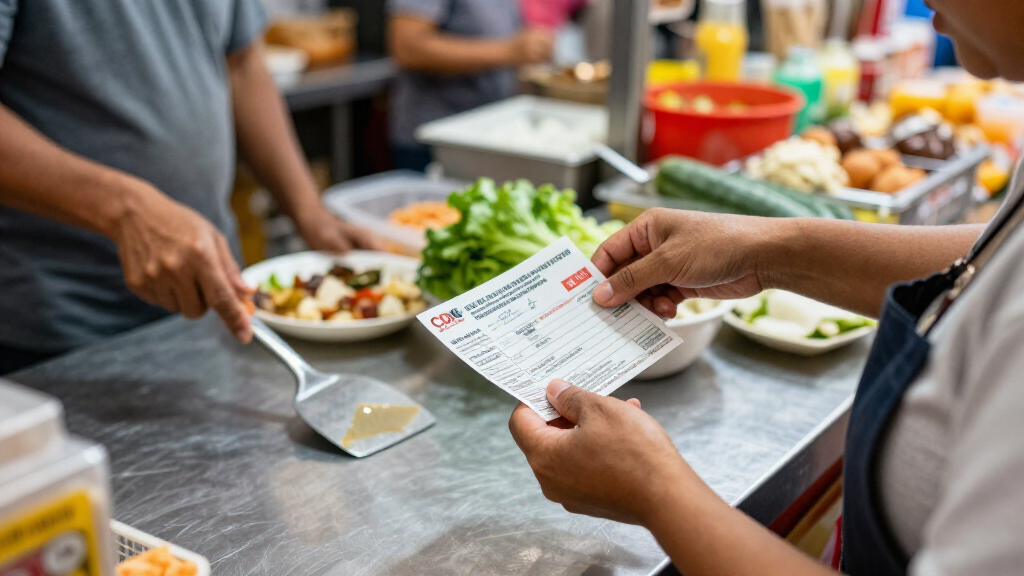
Singapore’s CDC vouchers are not just for food discounts; they serve a hidden purpose benefiting hawkers and their customers. The initiative aims to boost local hawker businesses while providing targeted support.
Singapore’s Community Development Council (CDC) vouchers, initially launched as a food subsidy scheme, are now revealed to serve a hidden purpose — supporting hawkers and their customers through targeted initiatives that go beyond simple discounts, according to recent reports.
The CDC launched the vouchers to assist residents with food expenses during challenging economic times. However, recent investigations indicate that the scheme also functions as a strategic tool to bolster local hawker stalls and encourage community engagement. The vouchers are being used to channel support directly to hawker stalls, fostering sustainability in a sector that faces ongoing challenges. Officials have not publicly acknowledged this dual purpose but are believed to be leveraging the vouchers as part of a broader effort to preserve Singapore’s hawker culture and stimulate local economic activity. The scheme’s design appears to include features that incentivize transactions at hawker stalls, potentially influencing consumer behavior and supporting small vendors discreetly.This development is significant because it reveals a strategic approach to supporting Singapore’s iconic hawker culture amid economic pressures. By channeling support through vouchers that subtly promote local stalls, the government and community organizations aim to sustain a vital part of Singapore’s heritage and economy. This approach could influence future social assistance programs, blending direct aid with cultural preservation efforts. For consumers, it means their spending is indirectly helping to preserve local food traditions, which are integral to Singapore’s national identity. For hawkers, it offers a new avenue for support, potentially increasing sales and visibility in a competitive environment. Overall, understanding this hidden purpose underscores the importance of innovative support mechanisms in safeguarding cultural and economic assets during uncertain times.
As an affiliate, we earn on qualifying purchases.
Background of CDC Vouchers and Support for Hawkers
The CDC vouchers were introduced as part of Singapore’s broader social assistance efforts, initially aimed at alleviating food costs for residents during economic downturns. The scheme was expanded in recent months, with a focus on encouraging local spending and community engagement. The hawker sector in Singapore has long faced challenges such as rising costs, aging vendors, and declining patronage, prompting government initiatives to preserve this cultural staple. While the vouchers are publicly promoted as food subsidies, recent reports suggest they are also being used as a tool to indirectly support hawker stalls, aligning with ongoing efforts to sustain the sector’s viability. The scheme’s design and implementation details remain partly undisclosed, fueling speculation about its full scope and purpose.“Supporting our hawker culture is about more than just food; it’s about preserving our heritage for future generations.”
— Dr. Lee Hsien Loong, Singapore Prime Minister
Unclear Aspects of the Scheme’s Full Scope and Impact
It is not yet confirmed how explicitly the vouchers are being directed toward hawker support, or whether this is an intentional policy or an operational coincidence. Details about the allocation mechanisms, the extent of support, and whether the scheme will evolve to include more targeted measures remain undisclosed. Officials have not publicly clarified the full objectives or the criteria for how vouchers benefit hawkers specifically. Additionally, the long-term impact on hawker sustainability and consumer behavior is still under observation, with analysts awaiting more data to assess effectiveness.
Next Steps for Evaluating the Vouchers’ Effectiveness and Scope
Authorities are expected to release more detailed information about the scheme’s objectives and impact in the coming months. Monitoring data on voucher redemption rates, especially at hawker stalls, will help determine if the hidden support is achieving its intended effect. Stakeholders, including hawkers and community groups, will likely be involved in assessing the scheme’s success and exploring potential adjustments. Policymakers may also consider expanding or refining the program based on early feedback and observed outcomes, aiming to better integrate cultural preservation with social assistance efforts.
Key Questions
Are CDC vouchers officially intended to support hawkers?
Officially, CDC vouchers are promoted as food subsidies for residents. The support for hawkers appears to be a hidden or secondary purpose, based on recent investigations and statements from some officials.
How do the vouchers indirectly benefit hawkers?
The vouchers are used at hawker stalls, encouraging residents to spend there, which can help hawkers increase sales and sustain their businesses amid economic challenges.
Is the government publicly acknowledging this hidden purpose?
No, the government has not officially confirmed that the vouchers are designed to support hawkers directly, but some officials have hinted at broader support strategies.
Could this scheme influence consumer behavior?
Yes, by incentivizing spending at hawker stalls through vouchers, it could boost patronage and help preserve Singapore’s hawker culture.
What should hawkers and residents expect next?
More transparency and data on the scheme’s impact are expected to be released, which will clarify how effectively the vouchers support hawker businesses in the long term.
Source: local
Fall Picks
fall essentials
As an affiliate, we earn on qualifying purchases.