Cleaning in Place (CIP) for juice lines keeps your equipment hygienic and contamination-free without needing disassembly. It involves flushing with water, applying cleaning agents, and thorough rinsing to remove residues and microbes. Properly designed and monitored CIP systems help prevent biofilm buildup, extend equipment life, and ensure product safety. Implementing effective CIP procedures improves efficiency and compliance. If you keep exploring, you’ll discover how to optimize your CIP process for better results.
Key Takeaways
- CIP ensures hygienic cleaning of juice line equipment without disassembly, preventing microbial growth and contamination.
- Proper CIP procedures involve pre-rinsing, cleaning agents, thorough rinsing, and temperature control for effective sanitation.
- Automated CIP systems enhance consistency, reduce human error, and ensure compliance with safety standards.
- Design considerations like accessible spray nozzles and monitoring systems optimize cleaning efficiency.
- Implementing effective CIP minimizes downtime, prolongs equipment lifespan, and maintains product quality and safety.

Cleaning in Place (CIP) for juice lines is a critical process that guarantees your equipment stays hygienic and contamination-free without the need for disassembly. Implementing effective CIP procedures ensures you maintain high standards of sanitization protocols, which are essential for product safety and quality. By routinely cleaning your juice lines in place, you reduce the risk of microbial growth, biofilm formation, and cross-contamination, all of which can compromise your product and damage your reputation. Proper CIP systems are designed to thoroughly remove residues, sugars, and other organic matter that can serve as breeding grounds for bacteria.
Effective CIP for juice lines ensures hygiene, safety, and equipment longevity without disassembly.
When you focus on equipment maintenance through CIP, you’re investing in the longevity and efficiency of your machinery. Regular cleaning prevents buildup and corrosion, which can lead to costly repairs and downtime. It’s important to follow a structured sanitization protocol that involves precise steps: pre-rinsing with water to remove loose debris, applying cleaning agents to break down stubborn residues, and then rinsing thoroughly to eliminate any chemical traces. This systematic approach ensures nothing is overlooked and that your lines are consistently prepared for the next production cycle.
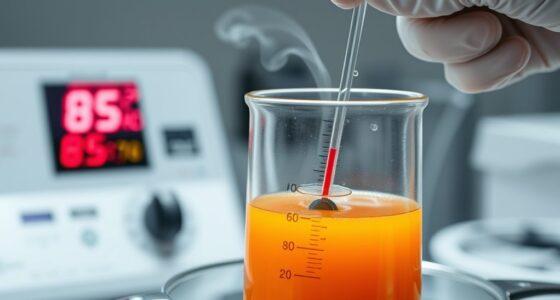
You should pay close attention to the design of your juice lines, making sure they are accessible for CIP spray balls or nozzles. Proper placement ensures cleaning solutions reach all internal surfaces, including bends and valves. Temperature control is also essential; using the correct temperature during cleaning cycles enhances the effectiveness of sanitizers and detergents. Monitoring and documenting each cleaning cycle helps you verify that protocols are followed correctly, which is critical for audits and quality assurance.
Incorporating automated CIP systems can streamline your sanitization protocols, saving you time and reducing human error. Automated systems can be programmed to run specific cleaning cycles at scheduled intervals, ensuring consistent results without manual intervention. This automation not only improves hygiene standards but also supports compliance with industry regulations. Remember, the key to successful equipment maintenance is consistency—regularly reviewing and updating your CIP procedures helps you adapt to any changes in production or regulatory requirements.
Ultimately, investing in robust CIP protocols for your juice lines keeps your operation running smoothly. It minimizes downtime caused by equipment failure and ensures your products meet strict safety standards. By diligently following sanitization protocols, you protect your brand and consumers, fostering trust and loyalty. Proper cleaning in place is not just about hygiene; it’s a strategic component of your overall production process that guarantees your equipment remains reliable, safe, and efficient over time.
Frequently Asked Questions
How Often Should CIP Cycles Be Performed for Optimal Hygiene?
You should perform CIP cycles after each production run or at least daily to maintain ideal hygiene standards. Regular cleaning schedules ensure juice lines stay free of residues and bacteria, reducing contamination risks. It is crucial to monitor and document each cycle, adjusting frequency based on product type and usage. Consistent CIP practices help you meet hygiene standards, prevent spoilage, and ensure the safety and quality of your juice products.
What Are the Most Common CIP System Malfunctions?
Common CIP system malfunctions include clogs, leaks, and inadequate cleaning cycles. These issues often stem from poor system design and improper chemical selection. If your system isn’t properly set up, residues can build up, causing blockages and leaks. Ensuring correct chemical use and a thoughtful design helps prevent these problems, maintaining hygiene and efficiency. Regular inspections and maintenance are key to catching malfunctions early and keeping your juice lines running smoothly.
Can CIP Be Used for All Types of Juice Line Residues?
Yes, CIP can generally handle most juice line residues, but you need to take into account juice line materials and cleaning solution compatibility. Some materials, like certain plastics or metals, may react poorly with specific cleaning agents, so ensure your CIP system uses compatible solutions. Properly selecting cleaning agents and adjusting parameters helps effectively remove residues without damaging your juice lines, ensuring a thorough and safe clean every time.
What Training Is Required for Staff Operating CIP Systems?
You need operator certification and safety protocol training to run CIP systems effectively. For example, a juice plant improved cleanliness and safety when staff completed specialized training, guaranteeing proper chemical handling and equipment operation. This training covers system operation, contamination prevention, and safety measures, enabling staff to maintain hygiene standards and avoid accidents. Proper training ensures your team can operate CIP systems confidently, safeguarding product quality and worker safety.
How Is CIP Effectiveness Verified and Documented?
You verify CIP effectiveness by performing visual inspections to check for residue or cleanliness and conducting microbial testing to make certain microbial levels are within safe limits. Document your findings clearly, noting inspection results and test outcomes. Regularly review and compare these records to maintain compliance and identify any issues early. This systematic approach helps confirm the system works effectively, ensuring juice line hygiene and product safety.
Conclusion
By mastering the methods of cleaning in place, you maintain pristine juice lines and prevent persistent problems. Consistent cleaning cultivates confidence, clarity, and cleanliness, creating a cycle of success. Remember, proper procedures prevent pests, pause production delays, and promote product purity. So, stay systematic, sanitize swiftly, and sustain your standards. With diligent diligence, you’ll deliver delicious, defect-free juice daily—making maintenance a mission, and your quality unquestionable.