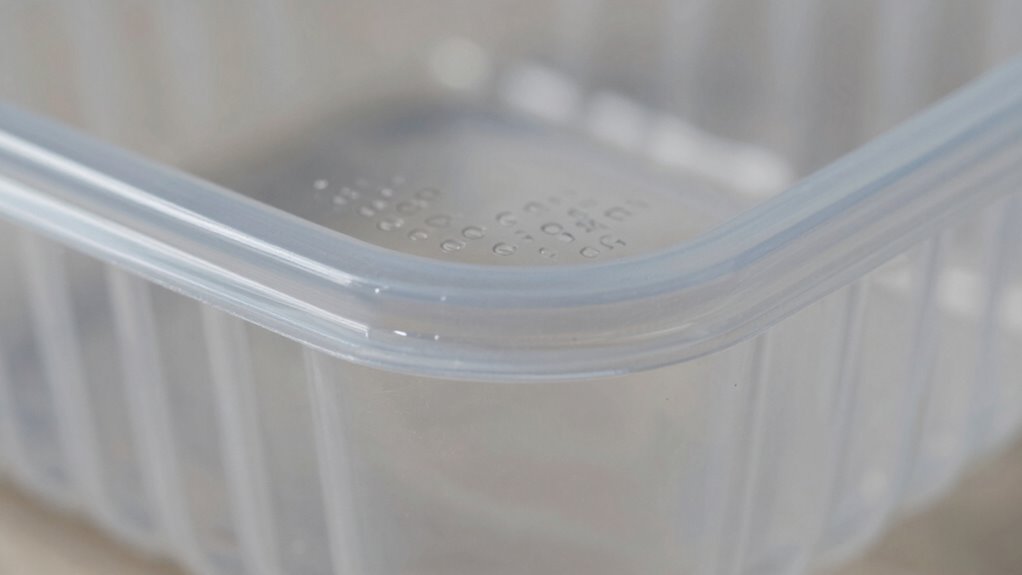

Tiny print date codes might seem minor, but they can cause big problems if they’re inaccurate or smudged. Faulty codes can lead to regulatory violations, product recalls, and damage to your reputation. Proper maintenance and calibration of your date coding equipment guarantee accuracy and compliance. Advances in technology help prevent errors and support supply chain transparency. Stay tuned to learn how reliable date coders protect your products, legal standing, and consumer trust—all from small print that matters.

Get kitchen staples and gadgets delivered free with Prime
- Fast, free delivery on millions of items
- Prime Video, Amazon Music and more included
- Member-only deals all year
Key Takeaways
- Small print in date coding is crucial for legal compliance and consumer safety, making accuracy vital.
- Faulty or smudged codes can lead to recalls, legal penalties, and damage to brand reputation.
- Regular maintenance and calibration of date coding equipment ensure reliable, legible printing.
- Advancements in technology improve speed, accuracy, and reduce errors in date marking processes.
- Accurate date codes enhance supply chain traceability, supporting quick product recalls and consumer trust.
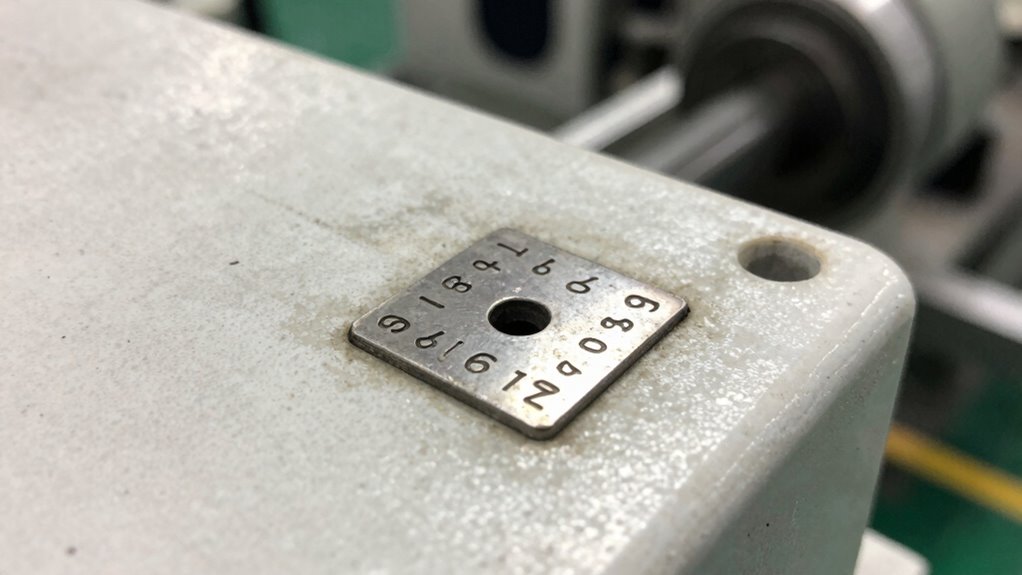
Have you ever wondered how software determines the current date and time? That tiny piece of information is essential for many industries, especially those that rely on accurate dating for packaging compliance and supply chain traceability. Date coders, the small print stamped onto products or packaging, are responsible for conveying this critical data. While they seem insignificant, these codes play a big role in guaranteeing products meet legal standards and that companies can track items throughout their journey from production to consumer. If date coders aren’t accurate or consistent, it can lead to serious problems, including legal penalties and loss of consumer trust.
Date coders ensure legal compliance and supply chain transparency through accurate, legible product markings.
In manufacturing and packaging, compliance with regulations often hinges on precise date coding. Many products, especially food, pharmaceuticals, and cosmetics, require clear expiration dates or manufacturing timestamps to assure safety and quality. If a date coder fails to print correctly or becomes smudged, it could mean a product is wrongly labeled, leading to regulatory violations or recalls. This is why packaging compliance depends heavily on the dependability of date coders. Properly calibrated and maintained coding equipment guarantees that every product carries an understandable and legally compliant date. When these codes aren’t clear or are inconsistent, companies risk hefty fines, product recalls, and damage to their reputation. Regular calibration and maintenance ensure the printing remains reliable and accurate. Additionally, investing in reliable coding technology can significantly reduce the risk of errors and improve overall efficiency.
Additionally, advancements in coding technology are continually improving the reliability and speed of date printing, helping companies avoid these costly errors. Supply chain traceability is another essential aspect linked to date coding. When products travel through various stages—raw material sourcing, manufacturing, distribution, and retail—the ability to trace each item’s history depends on accurate date information. Every batch or lot needs a unique, correctly printed date code to identify its origin and shelf life. This traceability allows companies to quickly locate products in case of a defect or safety concern, minimizing the impact of a recall. Poor quality or missing date codes can obstruct this process, making it difficult to pinpoint where a problem originated or to confirm whether a product is still safe to sell.
In essence, date coders are small but powerful tools that support both legal compliance and supply chain transparency. They help companies stay within the law and give consumers confidence that products are safe and correctly labeled. Yet, these tiny print marks are only effective if they’re accurate and legible at every stage of the supply chain. Regular maintenance, calibration, and the right coding technology are essential to prevent errors that could escalate into big problems—like product recalls, legal issues, or loss of consumer trust. Just a small print, but one that carries enormous importance in today’s fast-paced, regulation-heavy marketplace.
As an affiliate, we earn on qualifying purchases.
Frequently Asked Questions
How Do Date Coders Impact Product Recalls?
Date coders directly impact product recalls by ensuring accurate product traceability, which helps you quickly identify affected batches. When date codes are clear and precise, you can efficiently trace and isolate products, minimizing risks. This transparency boosts consumer trust, as customers feel confident in your commitment to safety. Poorly printed or unreadable date codes hinder recalls, potentially leading to delays and damage to your brand’s reputation.
Can Date Coding Errors Cause Legal Issues?
Date coding errors can be legal landmines waiting to explode, threatening your business’s reputation and finances. When expiration tracking falters due to faulty labeling compliance, it’s easy to mislead consumers or violate regulations. These mistakes can lead to lawsuits, fines, and recalls, turning a small oversight into a costly quagmire. Ensuring accurate date coding safeguards your brand and keeps your operations on the right side of the law.
What Industries Rely Most on Date Coders?
You’ll find industries like food, pharmaceuticals, and cosmetics rely heavily on date coders for packaging design and supply chain management. Accurate date coding guarantees products are safe and compliant, preventing health risks or legal issues. In these sectors, precise coding helps track expiration dates, manage inventory, and maintain quality control. If date coding fails, it can disrupt supply chains, damage reputations, and lead to costly recalls.
How Often Should Date Coder Calibration Be Checked?
You should check your date coder calibration regularly, ideally weekly or monthly, depending on your production volume. This frequent calibration ensures error detection is accurate, preventing incorrect date printing and potential product recalls. Consistent calibration frequency helps maintain quality control, reduces waste, and guarantees compliance. Don’t wait for errors to occur—proactively verify your date coder’s accuracy to keep your operations running smoothly and avoid costly mistakes.
Are There Automated Solutions for Date Coding Accuracy?
Yes, automated systems for date coding enhance accuracy and error reduction. These solutions use advanced technology to guarantee precise print placement and correct date sequences, minimizing human error. By integrating automated date coders into your production line, you streamline operations and improve consistency. Regular calibration and updates keep these systems functioning at their best, ensuring your date coding remains accurate, reliable, and compliant with industry standards.
Conclusion
You now understand how essential date coders are in ensuring product safety and compliance. Neglecting proper coding can lead to costly recalls and legal issues. Did you know that over 60% of food recalls are linked to date coding errors? That statistic highlights just how quickly a small mistake can escalate into a major problem. So, always double-check your date codes—what seems tiny today could become a big headache tomorrow.
Fall Picks
fall essentials
As an affiliate, we earn on qualifying purchases.