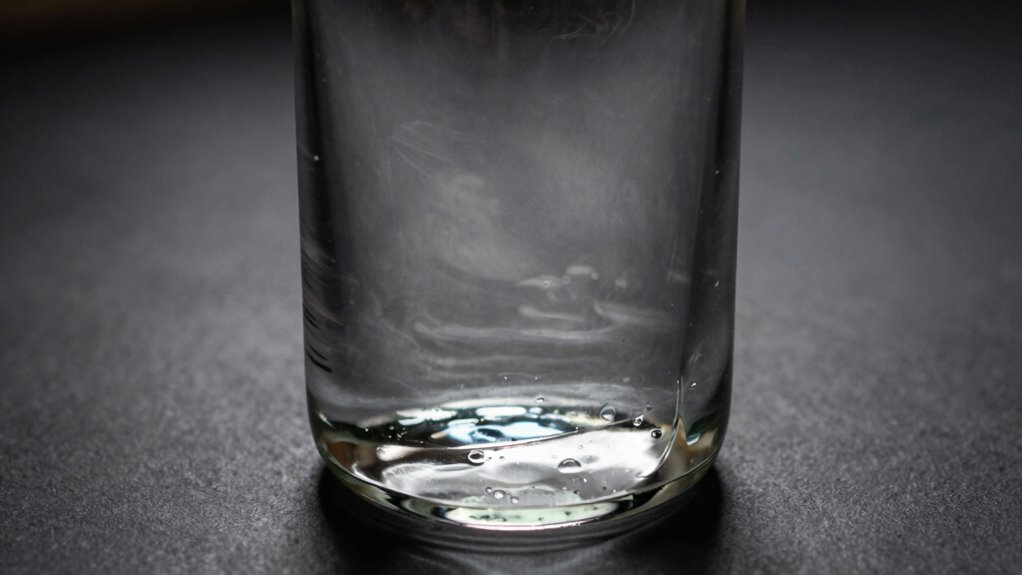
To manage reflections in drink photography, position your lights thoughtfully and avoid direct reflections into the lens. Use diffusers like softboxes or manipulate angles to create highlights without glare. Black cards or foam boards can block unwanted reflections from shiny bottles. Adjusting light sources helps control glare and enhances transparency and color. With proper lighting setup, your shots will look professional and mesmerizing—keep exploring for more tips to perfect your shots.

Get kitchen staples and gadgets delivered free with Prime
- Fast, free delivery on millions of items
- Prime Video, Amazon Music and more included
- Member-only deals all year
Key Takeaways
- Position lights at angles that avoid direct reflections into the camera lens to prevent glare on bottles.
- Use black cards or foam boards to block unwanted reflections from shiny surfaces.
- Diffuse artificial lights with softboxes or diffusers to minimize harsh reflections and create even glow.
- Adjust light placement to create highlights without causing distracting reflections on glass or liquids.
- Control environment by managing ambient light and using polarizing filters to reduce reflections further.
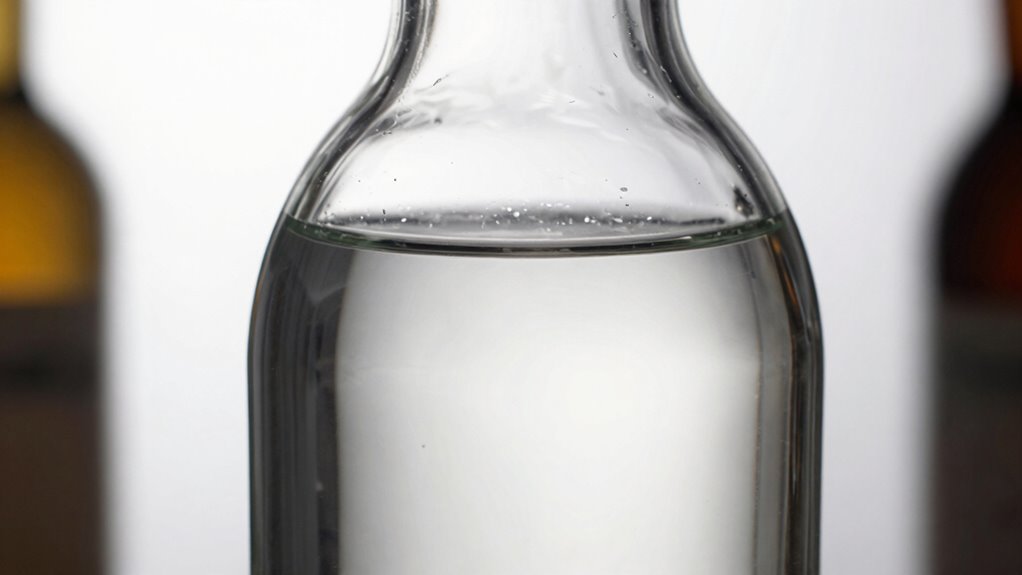
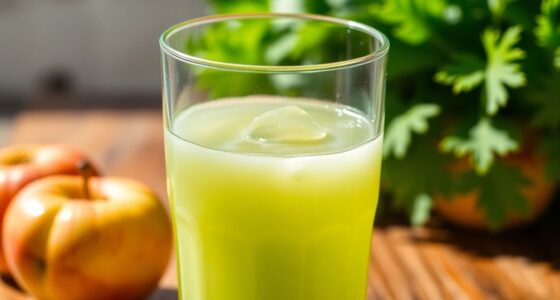
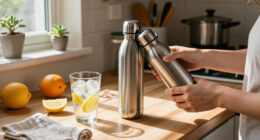
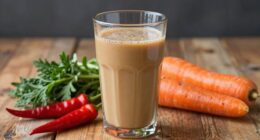
Ever wondered how professional food photographers make drinks look so irresistible? The secret often lies in their mastery of lighting. When photographing drinks, lighting isn’t just about visibility; it’s about creating an enticing mood and highlighting the drink’s best features. You need to understand how to use natural light and artificial lighting to your advantage, especially when dealing with reflections that threaten to ruin your shot. Natural light provides a soft, even glow that can beautifully accentuate the transparency and color of a drink. If you shoot during the day near a large window, you’ll get a gentle, diffused light that reduces harsh shadows and adds a natural sparkle to the glass. Position your drink so the light hits it at an angle, and you’ll see the liquid’s vibrancy pop against the background. However, natural light isn’t always predictable. Cloudy days, changing sunlight, or reflections from nearby objects can introduce unwanted glare or uneven lighting. This is where artificial lighting becomes essential. With artificial lights, you control the intensity, direction, and temperature, allowing you to craft a consistent look regardless of outside conditions. Use softboxes or diffusers to spread the light evenly, minimizing reflections and glare on the glass surface. When dealing with shiny bottles, reflections are your enemy—they can obscure the drink’s details or create distracting spots. To combat this, position your lights thoughtfully, avoiding direct reflections from your light sources into the camera lens. Sometimes, placing a black card or foam board strategically around your setup can block unwanted reflections, keeping the focus on the drink itself. Adjusting the angle of your light sources can also help, creating gentle highlights that emphasize the drink’s texture and clarity without introducing glare. Remember, the reflection problem isn’t just about avoiding spots; it’s about controlling how light interacts with the glass and liquid to enhance visual appeal. Proper management of lighting and reflections is key to elevating your drink photography to professional standards, regardless of your shooting environment. Recognizing how to manipulate light interactions allows you to make the most of your setup and achieve stunning results. Additionally, understanding the impact of biodiversity in your surroundings can inspire more natural and appealing backdrops for your drink photos, blending environmental awareness with creative photography. Incorporating environmental factors into your setup can lead to more dynamic and captivating images. Being mindful of these natural elements can help you discover inspiring locations and enhance the storytelling aspect of your photos. So, whether you’re shooting in a studio or by a window, understanding how to manipulate light and reflections will elevate your drink photography to professional levels.
diffuser softbox for photography
As an affiliate, we earn on qualifying purchases.
As an affiliate, we earn on qualifying purchases.
Frequently Asked Questions
How Do I Prevent Glare on Shiny Glass Bottles?
To prevent glare on shiny glass bottles, you should use a polarizing filter on your camera lens, which reduces reflections and enhances clarity. Additionally, applying matte sprays to bottles can diffuse light and minimize glare further. Adjust your lighting setup to avoid direct reflections, and experiment with angles. Combining these techniques guarantees your bottles look appealing without distracting reflections, giving you clean, professional-looking food photography shots.
What Color Temperature Is Best for Drink Photography?
Think of color temperature as the mood of your photo’s lighting. For drink photography, a warm tone around 3000K to 4000K creates inviting, cozy scenes, while 5000K to 6500K offers natural daylight clarity. Match the color temperature to your ambient lighting to keep colors true and appealing. Use adjustable lights to fine-tune the balance, ensuring your drinks look fresh and enticing under the perfect lighting conditions.
How Should I Position Lights for Icy Drink Effects?
Position your lights slightly above and angled toward the drink to emphasize ice texture and condensation. Use diffusers or softboxes to reduce harsh reflections, enhancing the icy appearance. Keep lights at a distance to avoid unwanted glare, and consider side lighting to create depth and highlight the texture of the ice and condensation. This setup will make your drink look invigoratingly cold and visually appealing, capturing that perfect icy effect.
Can LED Lights Mimic Natural Sunlight in Drink Photos?
Sure, LED lights can mimic natural sunlight in your drink photos, but only if you pick the right LED color. Think of it as choosing the perfect tan—warm and natural. Use a daylight or warm white LED to imitate sunlight, and you’ll get that gorgeous, sun-kissed glow. Just avoid overly blue or cool tones, or you’ll end up with a fridge vibe instead of a beachy paradise.
What Accessories Help Reduce Reflections on Glass Surfaces?
To reduce reflections on glass surfaces, you should use diffuser panels and polarizing filters. Diffuser panels help soften harsh light, minimizing glare and unwanted reflections. Polarizing filters are especially effective; they eliminate reflections by blocking polarized light, making bottles look clearer and more appealing. Attach a polarizer to your camera lens and position your lights carefully, using diffuser panels to create an even, reflection-free shot that highlights your drink’s appeal.
Conclusion
So, next time you’re battling that pesky reflection on your perfectly styled drink, remember: your camera’s light might be your worst enemy, turning a glossy bottle into a shiny mirror. Ironically, all that effort to showcase a drink’s allure can backfire, leaving you with a photo that reflects more than just the drink—like your own frustration. But hey, at least your camera’s reflecting your dedication, even if it’s not exactly the look you wanted!
Halloween Picks
halloween
As an affiliate, we earn on qualifying purchases.