
TL;DR

Get kitchen staples and gadgets delivered free with Prime
- Fast, free delivery on millions of items
- Prime Video, Amazon Music and more included
- Member-only deals all year
PepsiCo is using culinary research and professional chefs to identify flavors and food trends that could translate into products such as snacks. Director Mitchell Dingwall says the team evaluates ideas for taste, ingredient availability and business fit; the company has not disclosed results or performance measures for this approach.
PepsiCo is giving culinary research a strategic role in developing food products, using chefs and specialists to identify flavors and food trends that might work in its snacks, according to a Food Dive interview with Mitchell Dingwall, the company’s director of global culinary capabilities. The approach connects restaurant and grocery discoveries with food science and business screening before an idea advances toward a product.
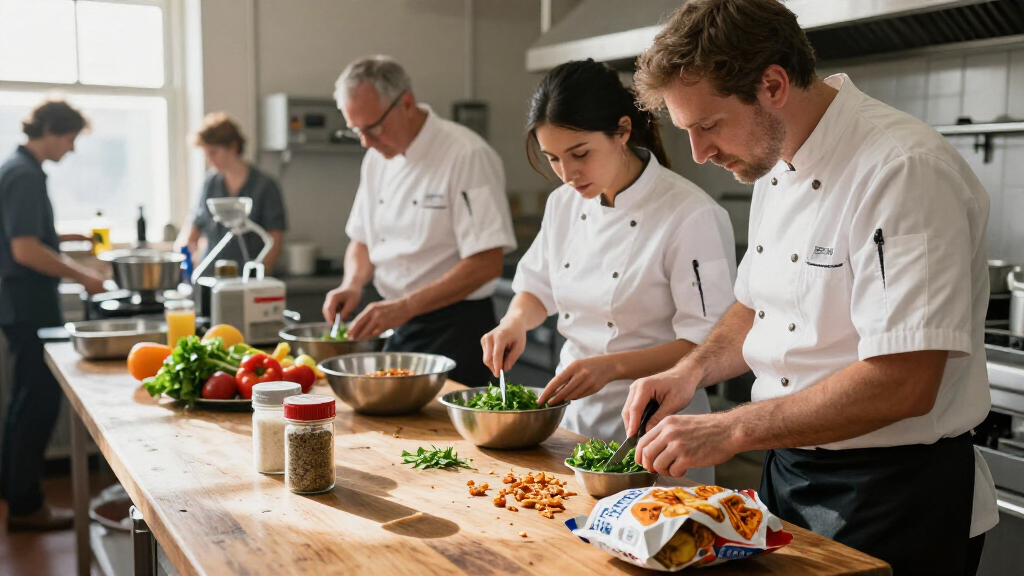
Dingwall oversees a team that includes trend spotters, growth strategists, food scientists, brand builders and culinary anthropologists. The group looks at restaurant and home cooking, grocery shelves and markets for techniques, ingredients and flavors that could have relevance to PepsiCo products. Ideas are evaluated for taste, ingredient availability and business fit, Dingwall said.
He described the work as moving between broad trends and specific details. A flavor or technique seen in a store can prompt a product idea; the team then considers how to preserve its character in a form that can be made at scale. Dingwall said chefs and scientists help assess both the food itself and how people experience its flavors.
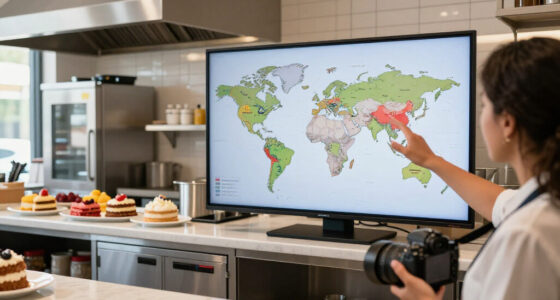
As one example, he cited Lay’s chip flavors developed around cuisines associated with countries represented at the World Cup. For a Brazil-inspired flavor, the team visited a Brazilian market in Texas, conducted research and worked with a chef in Brazil to check the authenticity of its choices. The team then adapted a popular white garlic sauce for a chip, including a toasted or caramelized garlic treatment intended to make the flavor more familiar to U.S. consumers.
How Culinary Research Shapes Snacks
The account shows how a large packaged-food company is trying to connect food culture with products made at scale. Restaurant dishes and market ingredients can offer inspiration, but the example Dingwall gave also shows the work between spotting a flavor and applying it to a mass-market snack: researchers consider cultural context, manufacturing constraints and what consumers may find familiar.
That process matters because an appealing idea is not automatically a viable product. PepsiCo’s stated screening criteria include whether it tastes right, whether ingredients can be sourced and whether the product makes sense for the business. The interview describes the company’s method, but it does not report whether the approach has raised sales, shortened development timelines or produced a measurable return.
From Food Trends to Chip Flavors
PepsiCo sells brands including Lay’s, Doritos and SunChips. Food Dive’s report describes culinary insight as one part of the company’s wider product-development work, rather than a standalone chef-led process. Dingwall said his role combines culinary training with food science and business considerations, and that his team may work alongside project teams while also examining how the development process itself works.
The World Cup flavors provide the clearest example in the interview. The team started with a brief tied to different countries’ cuisines, then used markets, restaurants, marketing colleagues and local expertise to investigate possible flavors. The Brazil example illustrates how the company tried to retain a cuisine’s recognizable qualities while adapting a sauce flavor for a chip and its intended market.
Results and Measures Still Undisclosed
The interview does not specify how many products have resulted from this approach, which examples beyond the World Cup flavors reached stores, or how PepsiCo measures the method’s performance. Dingwall said he was testing structured ideation and considering key performance indicators for efficiency and speed, but the supplied report gives no results for those measures.
The source also does not provide launch dates, sales figures or consumer research for the Brazil-inspired flavor. It is not clear which ideas from the team’s trend research are currently in development, or how often they move from early exploration into commercial products.
Testing the Ideation Process
Dingwall said he is applying his process to projects while examining whether it can make development more efficient and faster. He described plans to put key performance indicators in place to evaluate structured ideation, but the interview did not give a timetable or report outcomes.
Further reporting would be needed to establish whether the process changes development timelines or commercial results. For now, PepsiCo’s account offers a view into how its team assesses culinary ideas; the next concrete evidence would be disclosed measures or product launches linked to that work.
Key Questions
What role do chefs play in PepsiCo product development?
According to Dingwall, chefs help identify and assess flavors, provide culinary knowledge and help check whether an interpretation of a cuisine is authentic. They work with specialists such as food scientists and brand teams.
How does PepsiCo decide whether a flavor idea can advance?
Dingwall said the team considers taste, ingredient availability and business fit. The interview does not outline a formal scoring system or disclose how many ideas pass that screening.
What example did Dingwall give?
He described research for Lay’s flavors tied to countries represented at the World Cup. For a Brazil-inspired flavor, the team visited a Brazilian market in Texas and consulted a chef in Brazil while adapting a garlic sauce flavor for a chip.
Has PepsiCo shown that this method increases sales?
The supplied interview reports no sales results or measured return from the culinary approach. Dingwall said he was testing the process and developing performance indicators, but no outcomes were included.
Source: rss
NFL season / tailgating Picks
team gear
As an affiliate, we earn on qualifying purchases.