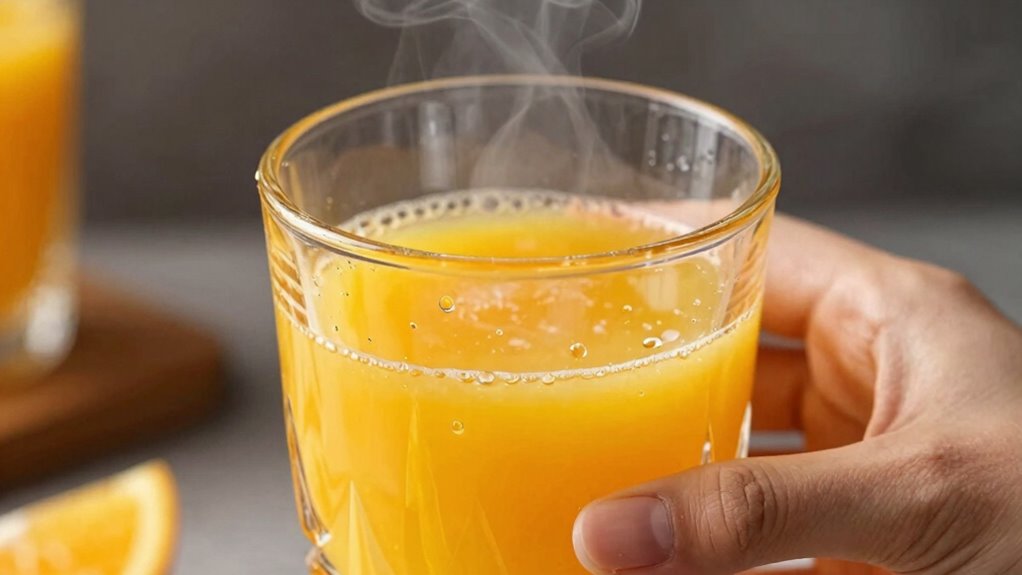

To taste juice like a pro, start by smelling it gently to identify dominant aromas like fruity or floral scents, swirling the glass to release more aroma compounds as it evolves. Then, assess the body by noticing how it feels on your palate—whether light, velvety, or full—and evaluate its balance of sweetness and acidity. Finally, focus on the aftertaste, observing its duration and any flavor shifts. Mastering these steps sharpens your sensory skills; discover more tips as you continue exploring.

Get kitchen staples and gadgets delivered free — and shop member deals
- Fast, free delivery on millions of items
- Access to Prime Big Deal Days deals on October 6–7
- Prime Video, Amazon Music and more included
Key Takeaways
- Gently swirl the juice and sniff to identify dominant aromas like fruity, floral, or earthy scents.
- Assess the mouthfeel to determine if the juice is light, full-bodied, velvety, or crisp.
- Notice flavor layers and how they develop during tasting, from fresh to aged or processed profiles.
- Observe the aftertaste’s duration and shifts, identifying specific flavors like citrus or herbal notes.
- Develop a sensory vocabulary and practice mindful tasting to refine perception and appreciation.
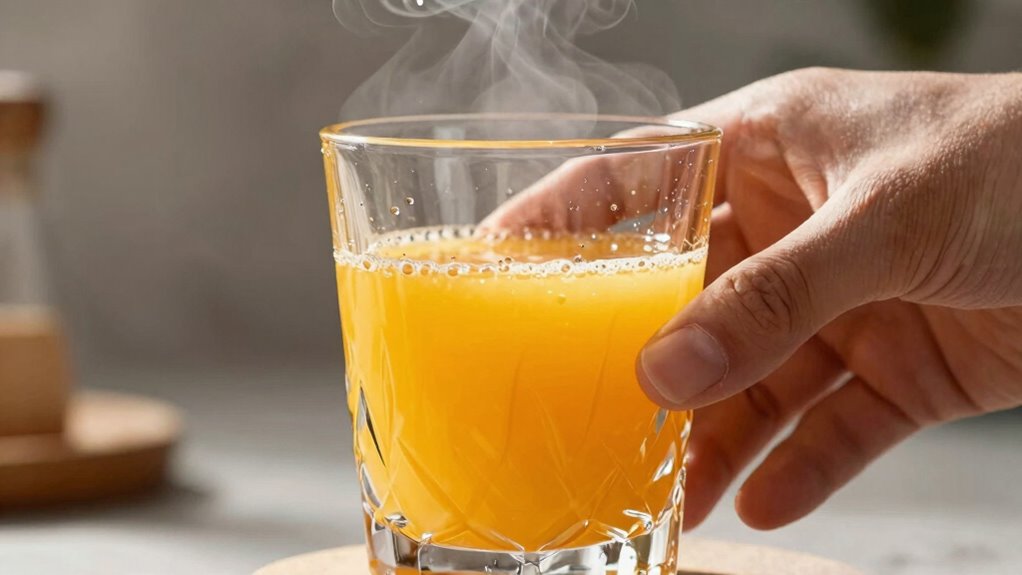
Tasting juice like a pro isn’t just about sipping and guessing—it’s about engaging your senses to appreciate its true flavor profile. When you approach tasting with intention, you begin to notice subtle nuances that reveal the juice’s complexity. Start by observing the aroma; bring the glass close and take a gentle sniff. Your sense of smell is closely linked to taste, so this step is essential. Identify any dominant scents—are they fruity, floral, or earthy? Sensory techniques like swirling the juice in your mouth before swallowing can help release more aroma compounds, enhancing your perception of the flavor profile. Focus on the layers of aroma and how they evolve as you breathe in and out. Understanding aroma is fundamental to mastering the art of tasting.
Next, pay attention to how the juice feels in your mouth, which is known as the body. Is it light and crisp or full and velvety? The body influences your overall impression and can hint at the juice’s sweetness, acidity, and richness. As you take a small sip, note how it coats your tongue and palate. A well-balanced juice will have a harmonious interplay between sweetness and acidity, creating a pleasing mouthfeel. Use sensory techniques like moving the juice around your mouth to assess texture and consistency. Is it smooth? Slightly pulpy? Thin or thick? Developing an awareness of sensory techniques and their effects can greatly enhance your ability to evaluate the quality of the juice. Recognizing flavor development during tasting can also help you distinguish between fresh and aged or preserved juices. Additionally, understanding how storage conditions impact flavor can deepen your appreciation of the juice’s freshness and quality. Being aware of processing methods can also inform your expectations of flavor and texture in different types of juice.
The finish, or aftertaste, is where many subtle flavors linger after swallowing. Pay close attention to how long the taste remains and whether it shifts or intensifies. A good-quality juice often leaves a clean, invigorating finish or a complex aftertaste that invites exploration. To sharpen your perception, try to identify specific flavors that surface during the finish—are they citrusy, tropical, or herbal? Engaging in mindful tasting, where you consciously focus on each stage—aroma, body, and finish—helps build your sensory vocabulary and refines your ability to distinguish different juices. Over time, these sensory techniques become second nature, enabling you to appreciate even the most nuanced flavor profiles with clarity and confidence.
As an affiliate, we earn on qualifying purchases.
Frequently Asked Questions
What Tools Are Essential for Professional Juice Tasting?
For a professional juice tasting, you need essential tools like a clean tasting glass, a palate cleanser such as water or plain crackers, and a tasting sheet to note aroma, body, and finish. Set up a proper tasting session with proper lighting and minimal distractions. Focus on flavor pairings and how each juice evolves. These tools help you evaluate and appreciate the nuances, making your tasting experience insightful and enjoyable.
How Do Temperature and Glassware Affect Juice Tasting?
Think of tasting juice as tuning a fine instrument—you need the right tools. Glassware nuances can enhance or diminish flavors, so choose a glass that complements the juice. Temperature influence is key; serve juice slightly chilled to bring out its freshness or at room temperature for richer aroma. Proper glassware and temperature create harmony, letting you truly appreciate the complexity and nuances of each sip.
Can Juice Tasting Improve With Practice Over Time?
Yes, juice tasting can definitely improve with practice over time. By engaging in sensory training, you’ll develop your palate and notice nuanced flavor development that you might miss initially. Regular tasting sharpens your ability to identify aroma, body, and finish, making you more perceptive. Over time, your skills will grow, allowing you to appreciate even subtle differences and truly enjoy the complexity of each juice.
Are There Specific Tasting Techniques for Different Juice Types?
Yes, there are specific tasting techniques for different juice types. You should focus on sensory evaluation by noting aroma, body, and finish, which vary with juice ingredients. Use flavor pairing ideas to enhance your perception, like tasting citrus with mint or apple with cinnamon. Adjust your approach based on the juice’s sweetness or acidity, and take your time to explore each flavor nuance, sharpening your palate over time.
How Should I Store Juice to Preserve Its Aroma and Flavor?
They say “a stitch in time saves nine,” and that’s true for juice storage. To preserve aroma and flavor, keep your juice in airtight containers, ideally glass bottles, to prevent aroma loss. Store it in the fridge at consistent temperatures, away from direct light. Always seal tightly after opening to prevent oxidation, which can diminish flavor. Proper juice storage guarantees every sip stays fresh and aromatic.
Conclusion
Tasting juice like a pro isn’t just about savoring flavors; it’s about engaging all your senses. Remember, studies show that aroma accounts for up to 80% of taste perception, so take a deep sniff before sipping. By paying attention to aroma, body, and finish, you’ll develop a more refined palate and truly appreciate the complexity of each juice. Keep practicing, and soon, you’ll be tasting like a true connoisseur—delighting in every sip.
NFL season / tailgating Picks
team gear
As an affiliate, we earn on qualifying purchases.