
Adjusting your juice portion size shapes your understanding of its nutrition and health benefits. Smaller servings highlight flavor and help you manage sugar intake, supporting better weight and blood sugar control. Larger portions can lead to overconsumption and diminish nutritional value, making it harder to maintain healthy habits. Recognizing how portion sizes influence your choices encourages balanced, mindful drinking. If you keep exploring, you’ll discover more ways to make smarter, health-conscious decisions about your juice consumption.

Get kitchen staples and gadgets delivered free — and shop member deals
- Fast, free delivery on millions of items
- Access to Prime Big Deal Days deals on October 6–7
- Prime Video, Amazon Music and more included
Key Takeaways
- Smaller portions enhance flavor perception and reduce sugar intake, promoting healthier consumption habits.
- Packaging size influences portion control and can encourage mindful drinking behaviors.
- Larger servings may lead to overconsumption, impacting nutritional balance negatively.
- Controlling portion size helps maintain nutrient quality and prevents excessive calorie intake.
- Awareness of portion sizes supports long-term health goals and balanced dietary choices.
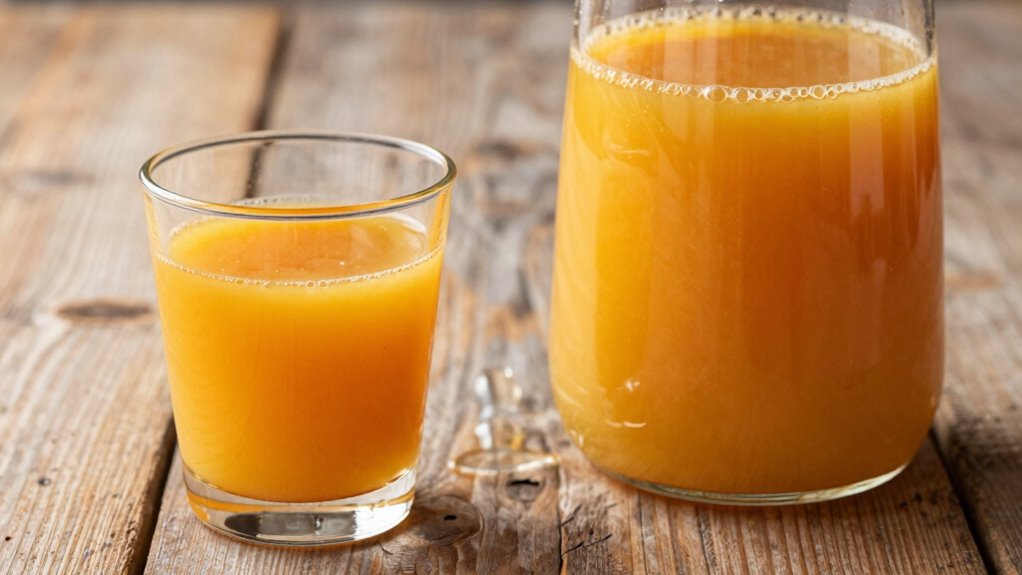
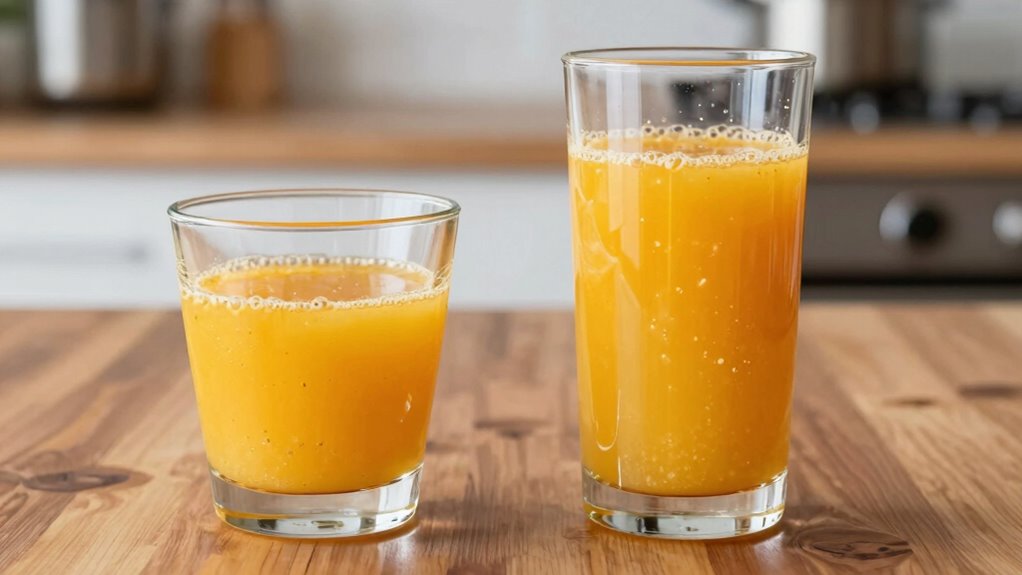
Have you ever wondered how much juice is enough to enjoy its benefits without overdoing it? The truth is, portion size plays a vital role in how you experience juice’s flavor and nutrition. When you pour a small glass, you might notice the flavor enhancement—how the natural sweetness or tartness comes through more vividly, making each sip more enjoyable. Larger portions, on the other hand, can dilute that intensity, and you might find yourself drinking more to get the same flavor impact. This is where understanding portion size becomes essential, not just for taste but for managing your overall intake of nutrients and sugars.
The packaging of juice greatly influences how much you consume and, consequently, how the nutrition conversation unfolds. If juice is sold in large bottles or jugs, it’s easy to pour bigger servings without realizing how much sugar and calories you’re ingesting. Smaller, individual servings or resealable containers can help you control portion sizes more effectively, preserving the flavor quality and preventing overconsumption. Packaging impact extends beyond convenience; it shapes your perception of what’s an appropriate amount to drink. When a bottle appears large, you might unconsciously pour or drink more, thinking you’re still within a reasonable limit, even if a smaller serving would suffice for flavor enjoyment and nutritional balance. Additionally, portion control can be supported by choosing packaging designed to promote mindful drinking habits. Recognizing serving size and its effect on health can further empower you to make better choices about your juice consumption. Understanding visual cues in packaging can also help you develop healthier drinking habits and avoid mindless overpouring. Moreover, being aware of portion size can help you align your juice intake with your overall wellness goals, such as maintaining balanced blood sugar levels or supporting weight management.
Portion size also influences the nutritional conversation by affecting how you perceive the healthiness of juice. Drinking larger portions often leads to higher sugar intake, which can diminish the health benefits of juice. Conversely, smaller servings allow you to savor the flavor and receive some nutrients, like vitamin C and antioxidants, without overwhelming your system with sugars. Recognizing the impact of portion size on overall health can help you make more mindful choices and incorporate juice into a balanced diet with moderation rather than excess.
As an affiliate, we earn on qualifying purchases.
Frequently Asked Questions
How Does Juice Portion Size Affect Calorie Intake?
Larger juice portions lead to higher calorie intake because you’re consuming more sugar and calories than you might realize. By practicing portion awareness, you can better control calorie intake and avoid excess calories. Smaller servings help you maintain calorie control, making it easier to enjoy juice without sabotaging your health goals. Adjusting portion sizes is a simple way to stay mindful of your calorie consumption while still enjoying your favorite beverages.
Are Smaller Juice Portions More Filling?
Imagine holding a smaller glass of juice, the vibrant flavor intensity hits your senses immediately. Yes, smaller portions can be more filling because they deliver higher nutritional density, making each sip count more. When you opt for smaller servings, you enjoy the full flavor without feeling deprived, and your body absorbs essential nutrients efficiently. This way, you satisfy your hunger while savoring the rich taste, making smaller portions surprisingly satisfying.
Does Juice Portion Size Influence Sugar Consumption?
Yes, juice portion size influences sugar consumption markedly. Larger portions often lead to higher sugar intake because you might drink more without realizing it. Smaller portions can help control sugar intake, especially with flavor enhancement in mind—smaller servings still deliver flavor but limit excess sugar. Packaging impact also plays a role; convenient, smaller packages make it easier to moderate consumption and reduce the risk of overdoing it on sugary drinks.
How Do Portion Sizes Vary Across Different Types of Juice?
You might think all juice portions are the same, but they vary widely based on fruit varieties and serving containers. For example, apple juice often comes in larger bottles, while smaller servings of exotic fruit juices like acai are common. These differences influence how much you consume, affecting sugar intake and overall nutrition. Pay attention to serving sizes on containers, as they help you manage portion control and make healthier choices.
What Are the Best Practices for Serving Appropriate Juice Portions?
You should follow clear serving guidelines and use proper juice packaging to serve appropriate portions. Opt for small containers or cups, typically 4 to 6 ounces, to prevent overconsumption. Label packages with serving size info, and educate others on recommended amounts. By doing this, you help promote healthier habits and guarantee juice intake remains balanced, making it easier to manage nutrition and avoid excess sugar intake.
Conclusion
Understanding how juice portion sizes influence nutrition can change your perspective on healthy choices. For instance, a standard 8-ounce glass of juice can contain up to 24 grams of sugar—almost the entire recommended daily limit for added sugars. By controlling your portion sizes, you not only enjoy the flavor but also avoid excessive sugar intake. Remember, small adjustments in your drink portion can make a big difference in maintaining balanced nutrition and overall health.
Halloween Picks
halloween
As an affiliate, we earn on qualifying purchases.