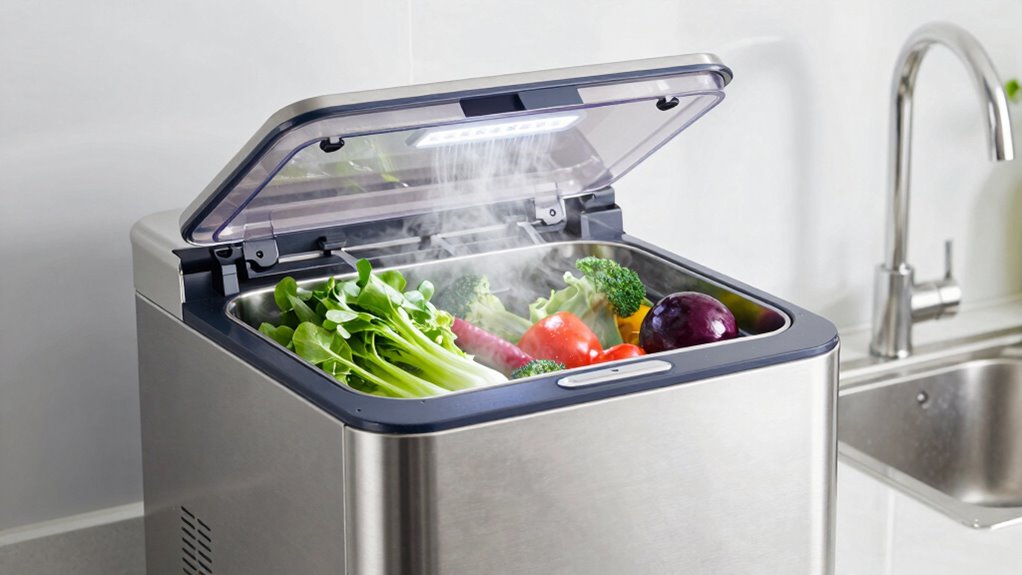

Ozone produce washers can help reduce chemical use, extend produce shelf life, and improve sanitation, making them appealing. However, they have limits—organic residues and wax coatings can block ozone’s effectiveness, and improper application might damage delicate items. Plus, safety precautions are critical due to ozone’s potent nature. While they offer environmental and cost benefits, understanding their proper use is essential. Explore further to uncover how to maximize their benefits and navigate potential challenges.

Get kitchen staples and gadgets delivered free with Prime
- Fast, free delivery on millions of items
- Prime Video, Amazon Music and more included
- Member-only deals all year
Key Takeaways
- Ozone produce washers effectively reduce bacteria and extend produce shelf life but are not a complete solution for all contaminants.
- They offer cost and environmental benefits by lowering chemical use and waste management expenses.
- Proper application, contact time, and calibration are crucial for safety and optimal effectiveness.
- Organic residues and delicate produce may limit ozone’s disinfectant capabilities or cause damage.
- Safety concerns require careful monitoring and operator training to prevent respiratory hazards and produce damage.
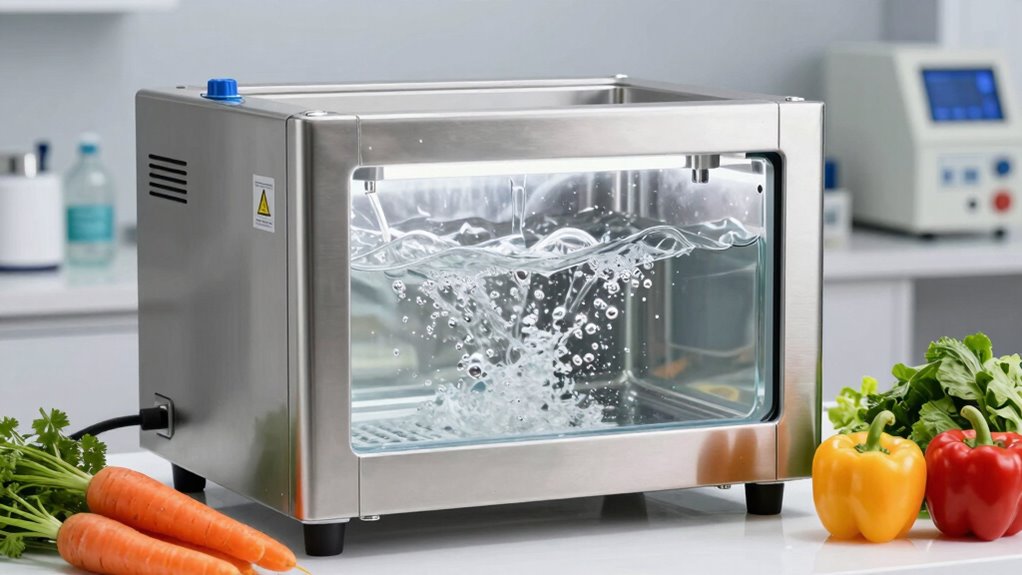
From a cost efficiency perspective, ozone produce washers can be quite advantageous over time. Although the initial investment in equipment might be higher than traditional wash systems, the operational costs tend to be lower. Ozone generation requires electricity, but it doesn’t rely on expensive chemicals or detergents, which can add up over repeated use. Additionally, because ozone breaks down into oxygen quickly after use, it doesn’t leave harmful residues, reducing waste management costs. The improved sanitation and longer shelf life of produce washed with ozone can also lead to less food waste and spoilage, ultimately saving money for growers, processors, and retailers. These economic benefits make ozone washers an appealing option for those looking to balance cost and quality. Furthermore, advancements in ozone technology have made these systems more energy-efficient, reducing their environmental impact and operational expenses. Proper monitoring and control systems are also crucial to ensure optimal ozone application and safety during operation.
However, it’s essential to understand the limits of ozone technology. While ozone is highly effective against bacteria, viruses, and certain pesticides, it’s not a catch-all solution. Some organic residues or wax coatings on produce can shield contaminants from ozone exposure, meaning that washing alone won’t guarantee complete safety. Also, ozone’s effectiveness depends on proper application — factors like contact time, concentration, and water pH influence results. Overuse or improper handling can lead to safety concerns for operators, as ozone is a potent gas that can cause respiratory irritation if not managed correctly. Moreover, the application process must be carefully controlled to avoid damaging delicate produce items, which may be sensitive to ozone exposure. Poor application methods can also lead to inconsistent results and potential safety hazards, emphasizing the need for proper training and equipment calibration. Furthermore, the technology isn’t universally suitable for all types of produce; delicate items may be damaged if exposed to high ozone concentrations or prolonged treatment.
As an affiliate, we earn on qualifying purchases.
Frequently Asked Questions
How Long Does Ozone Treatment Typically Take?
Ozone treatment typically takes between 5 to 15 minutes, depending on the ozone concentration used and the level of produce contamination. You should monitor the treatment duration carefully to guarantee effective sanitation without overexposing the produce. Higher ozone concentrations may shorten treatment times, but it’s essential to balance safety and efficacy. Always follow manufacturer guidelines for maximum results and avoid potential ozone residue issues.
Are Ozone Washers Safe for All Types of Produce?
Think of ozone washers as a double-edged sword; they’re generally safe but not perfect for all produce types. You might see improved produce quality and better consumer perception, but some delicate fruits and vegetables can be damaged by ozone’s strong oxidation. Always consider the produce’s sensitivity and follow guidelines. Using ozone washers wisely helps maximize safety and quality without risking harm to the produce or consumer trust.
What Maintenance Is Required for Ozone Produce Washers?
You need to regularly inspect and clean your ozone produce washer to guarantee peak performance and prevent chemical residue buildup. Check the ozone generator and seals for wear, replace filters as recommended, and keep the system dry to protect equipment durability. Proper maintenance minimizes chemical residue, extending your equipment’s life. Following the manufacturer’s guidelines helps ensure safety, efficiency, and the washer’s longevity, keeping your produce safe and clean.
Can Ozone Completely Eliminate All Bacteria and Viruses?
Think of ozone as a powerful knight, but even the bravest knight can’t vanquish every villain. Ozone can considerably reduce bacteria and viruses, but it doesn’t guarantee complete elimination. Ozone safety is crucial to prevent harm, so proper handling is essential. Keep in mind, bacterial resistance may develop, making some pathogens harder to kill. Relying solely on ozone isn’t enough; combine it with other sanitation methods for thorough food safety.
What Is the Cost Comparison With Traditional Produce Washing Methods?
Ozone produce washers can be cost-efficient compared to traditional methods, especially with their lower water and chemical use. While the initial investment might be higher, you save money over time through improved cleaning effectiveness and reduced waste. Plus, ozone helps eliminate bacteria and viruses more effectively than rinsing alone. Overall, these washers offer a smarter, more sustainable solution, balancing upfront costs with long-term benefits for your produce cleaning needs.
Conclusion
While ozone produce washers promise a fresh, pristine harvest, remember they’re just a tool—like a shining shield, not a magic wand. The glow of spotless produce can mask the reality that some germs and residues still linger beneath the surface. Use them wisely, but don’t rely solely on hype. Think of it as a delicate dance: harness the help of technology, but stay grounded in the limits it can’t overcome. Your health is worth it.
Halloween Picks
halloween
As an affiliate, we earn on qualifying purchases.