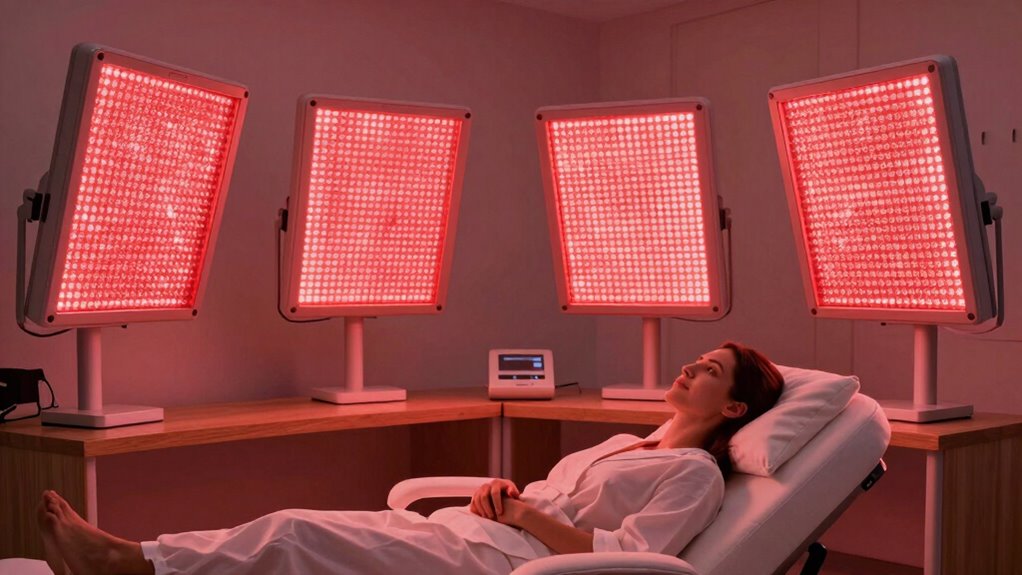

Red light therapy panels have modest, scientifically supported benefits like boosting skin cell activity, improving blood flow, and promoting collagen production, which can help skin health and injury recovery. Their effects are generally safe when used properly, but they are not miracle cures. The research shows benefits depend on wavelength, duration, and individual factors. If you want to understand the realistic potential of these panels, keep exploring the facts behind the hype.

Get kitchen staples and gadgets delivered free with Prime
- Fast, free delivery on millions of items
- Prime Video, Amazon Music and more included
- Member-only deals all year
Key Takeaways
- Scientific research indicates that red light therapy can modestly improve skin elasticity, promote healing, and reduce inflammation.
- Effects depend on wavelength, duration, and individual response, emphasizing the need for consistent use.
- Benefits are supportive and not a cure, primarily aiding skin conditions and injury recovery.
- Proper device safety, certification, and correct usage are essential to minimize risks and ensure effectiveness.
- Overall, research supports limited but real benefits, cautioning against exaggerated claims and emphasizing realistic expectations.
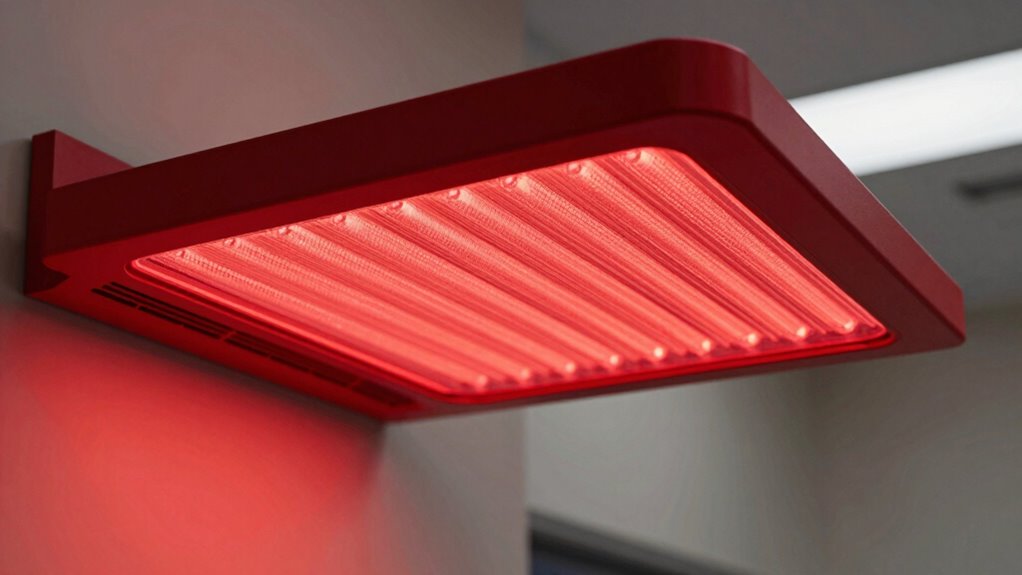
Red light therapy panels have gained popularity as a non-invasive way to boost skin health, reduce inflammation, and improve overall wellness. If you’re exploring these devices, it’s important to understand what the research actually supports regarding their benefits and safety. Many claims around red light therapy sound promising, but scientific evidence offers a clearer picture. The key is to distinguish between well-supported red light therapy benefits and exaggerated hype.
Research suggests that red light therapy can help stimulate cellular function by penetrating the skin and encouraging increased blood flow. This process can promote collagen production, which may improve skin elasticity and reduce signs of aging. Some studies indicate that consistent use can help with wound healing and reduce inflammation, making it potentially useful for skin conditions and recovery from injuries. However, these benefits are often modest and depend on factors such as wavelength, duration, and individual response. It’s not a miracle cure, but it does have some scientifically supported positive effects. Ensuring proper device design and usage aligns with ergonomic principles, which can enhance safety and effectiveness over time.
Red light therapy may boost collagen and promote healing, but effects are modest and vary by individual.
When considering panel safety, you should know that most reputable red light therapy devices are designed with safety in mind. They typically emit low-level wavelengths that don’t cause burns or damage to your skin or eyes if used correctly. Still, it’s vital to follow manufacturer instructions, including recommended exposure times and distance from your skin. Some panels come with eye protection or suggest using goggles to prevent potential eye strain, especially during prolonged sessions. Overall, the safety profile of these devices is quite favorable when used properly, but improper use or purchasing low-quality panels can lead to risks. Poorly made or unregulated devices might emit excessive light or lack proper shielding, increasing the likelihood of adverse effects.
If you’re considering investing in a red light therapy panel, check for certifications or reviews that verify safety standards. Look for panels with appropriate wavelength ranges—typically between 600-900 nanometers—and ensure they’re designed for therapeutic use. Remember, no device is entirely risk-free, but with proper precautions, most users find red light therapy to be a safe addition to their wellness routine.
red light therapy panel for skin
As an affiliate, we earn on qualifying purchases.
As an affiliate, we earn on qualifying purchases.
Frequently Asked Questions
Are Red Light Therapy Panels Safe for All Skin Types?
Red light therapy panels are generally safe for most skin types, but you should consider skin type considerations to guarantee panel safety. People with darker skin tones may experience different results or sensitivities, so it’s wise to start with shorter sessions. Always follow manufacturer guidelines and consult a dermatologist if you have skin conditions or concerns. Proper use minimizes risks, making red light therapy a safe option for many users.
How Long Does It Take to See Results?
You might see visible improvements in just a few sessions, but for the best timing expectations, it usually takes about 4 to 8 weeks of consistent use. Some users notice skin glow or pain relief early on, while others see more dramatic results over time. Patience is key—red light therapy works gradually, so stick with it, and you’ll likely witness impressive visual improvements that feel almost miraculous.
Can Red Light Therapy Replace Medical Treatments?
Red light therapy can’t replace medical treatments, as its clinical efficacy is still under study and isn’t a substitute for professional care. You should follow treatment guidelines and consult with healthcare providers for medical issues. While red light therapy may support healing and reduce inflammation, it works best as a complementary approach rather than a replacement for conventional treatments. Always seek medical advice before making changes to your health regimen.
Are There Any Side Effects or Risks?
Think of red light therapy like a gentle wave—usually safe if you follow guidelines. You might experience minor skin irritation or redness, but serious side effects are rare. Eye safety is essential; avoid looking directly at the panels without proper eye protection. Always follow manufacturer instructions, and consult a healthcare professional if you have sensitive skin or eye conditions to minimize risks.
What Is the Optimal Distance From the Panel?
You should position the device about 6 to 12 inches from your skin for ideal distance. This range allows the light to penetrate effectively without causing discomfort or overheating. Adjust the device placement based on your comfort and the specific panel’s instructions, but staying within this distance ensures you get the best benefits. Always follow manufacturer guidelines for safe and effective use.
Conclusion
While red light therapy panels show promise, it’s important to approach them realistically. Research indicates that about 60% of users report improvements in skin health and pain relief, but results vary. Keep in mind, science is still exploring their full potential. If you’re considering trying them, stay informed and manage expectations. Remember, while not a miracle cure, these panels could be a helpful addition to your wellness routine—just don’t rely on them alone for all your health needs.
Halloween Picks
halloween
As an affiliate, we earn on qualifying purchases.