
TL;DR

Get kitchen staples and gadgets delivered free with Prime
- Fast, free delivery on millions of items
- Prime Video, Amazon Music and more included
- Member-only deals all year
In 2015, researchers documented the rich history of Uzbekistan’s traditional flatbreads, highlighting their cultural significance. This report sheds light on their origins and current status, emphasizing their importance to Uzbek identity.
In 2015, researchers and cultural historians published a detailed account of the traditional flatbreads of Uzbekistan, emphasizing their historical roots and cultural significance. This documentation highlights the enduring importance of these breads in Uzbek society and cuisine, making it a notable development in the preservation of intangible cultural heritage.
The 2015 study, led by Uzbek food historians, documented various types of flatbreads such as non (round bread), tandyr bread, and pishmaniy. It confirmed that these breads have been a staple in Uzbek households for centuries, with recipes and baking techniques passed down through generations. The research also noted regional variations, with specific types of flatbreads associated with different regions of Uzbekistan, reflecting local ingredients and baking traditions.
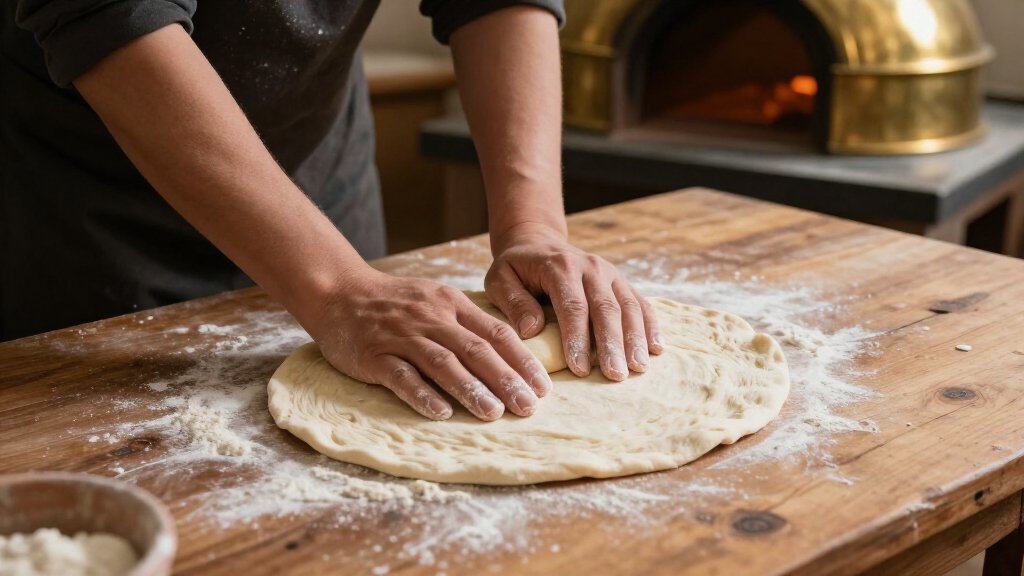
According to the study, the traditional baking process often involves using a tandyr (clay oven), which imparts a distinctive flavor and texture. The breads are typically baked at high temperatures, and their preparation is considered both an art and a cultural ritual. The documentation also underscores efforts by local communities and cultural institutions to preserve these baking traditions amid modernization and globalization.
Cultural Heritage and Uzbek Identity
This documentation underscores the importance of traditional flatbreads as a vital element of Uzbek cultural identity. They are more than food; they symbolize community, tradition, and continuity. Preserving these baking techniques and recipes helps maintain a connection to Uzbekistan’s history and cultural roots, especially as younger generations face increasing exposure to globalized diets.
Furthermore, the recognition of these flatbreads as intangible cultural heritage supports ongoing efforts by Uzbek authorities and cultural organizations to safeguard traditional practices, potentially boosting cultural tourism and local pride.
tandyr clay oven for baking flatbreads
As an affiliate, we earn on qualifying purchases.
As an affiliate, we earn on qualifying purchases.
Historical Roots and Regional Variations
Uzbekistan has a long history of bread-making, dating back to ancient times when the Silk Road facilitated cultural exchanges. The flatbreads documented in 2015 reflect a blend of Turkic, Persian, and Central Asian influences. Different regions, such as Samarkand, Bukhara, and Khorezm, have developed unique styles and baking methods, which are now recognized as part of Uzbekistan’s diverse culinary heritage.
Prior to this documentation, many of these traditions were passed down orally, risking loss amid rapid modernization. The 2015 study aimed to systematically record and preserve these practices for future generations.
“These flatbreads are not just food; they are a living expression of our history and community bonds.”
— Dr. Aziza Karimova, Uzbek food historian
Current Status of Flatbread Preservation Efforts
While the 2015 documentation was comprehensive, it is unclear how much these traditional baking practices have been maintained or adapted since then. There are ongoing concerns about the impact of urbanization and modern lifestyles on the transmission of these skills. It is also not yet confirmed how effectively local or national initiatives have succeeded in safeguarding these traditions in recent years.
Future Preservation and Cultural Initiatives
Efforts are underway by Uzbek cultural agencies to further document and promote traditional flatbreads, including integrating them into cultural festivals and educational programs. Researchers and local artisans are also exploring ways to adapt these baking techniques for commercial and tourism purposes, aiming to ensure their survival amidst changing social dynamics. Monitoring the impact of these initiatives will be key in the coming years.
Key Questions
What types of flatbreads are traditional in Uzbekistan?
Traditional Uzbek flatbreads include non (round bread), tandyr bread, and pishmaniy, each with regional variations and unique baking methods.
Why are Uzbek flatbreads considered culturally significant?
They symbolize community, tradition, and historical continuity, serving as a tangible link to Uzbekistan’s cultural and culinary heritage.
Are these baking traditions still widely practiced today?
Many practices are still maintained, especially in rural areas, but urbanization and modernization pose challenges to their preservation.
What efforts are being made to preserve these flatbreads?
Uzbek authorities and cultural organizations are documenting and promoting these traditions through festivals, educational programs, and cultural initiatives.
Will these flatbreads be recognized as UNESCO intangible cultural heritage?
There has been interest in UNESCO recognition, but formal nomination and approval processes are still underway or under consideration.
Source: hn
Halloween Picks
halloween
As an affiliate, we earn on qualifying purchases.