

To retain vitamin C in citrus juices over time, store them properly by refrigerating at or below 40°F in airtight, small containers to limit oxygen exposure. Keep your juice away from light and strong odors, and consume fresh juice quickly or before package expiration dates. Freezing can extend shelf life but may slightly alter texture and flavor. Proper handling and storage habits help maximize vitamin C retention; find out more to keep your juice nutrient-rich longer.
Key Takeaways
- Vitamin C content decreases over time, especially after opening, due to oxygen exposure and light.
- Proper refrigeration at or below 40°F slows vitamin C degradation in citrus juices.
- Airtight, small containers help preserve vitamin C by limiting oxygen contact.
- Freshly squeezed juice retains more vitamin C when consumed quickly and stored properly.
- Freezing extends shelf life but may cause slight nutrient loss; thaw in the refrigerator for best results.

Citrus juices are among the most popular sources of vitamin C, an essential nutrient that supports your immune system and overall health. If you want to maximize the benefits of this nutrient, paying attention to storage conditions is vital. Proper storage helps preserve the freshness of the juice, preventing vitamin C from degrading prematurely. When you purchase citrus juice, whether it’s fresh-squeezed or packaged, keep it refrigerated at or below 40°F (4°C). This slows down enzymatic activity and minimizes exposure to heat and light, both of which can accelerate vitamin C loss. Avoid leaving juice out at room temperature for extended periods, especially once it’s opened, because warmth encourages oxidation, which diminishes nutrient levels. To guarantee freshness preservation, always seal the container tightly after each use, preventing air from entering and reacting with the juice. Exposure to oxygen can cause vitamin C to break down faster, reducing its potency over time. If you’re storing freshly squeezed juice, consider pouring it into smaller, airtight containers if you’ll be using only a portion at a time. This limits the amount of oxygen in contact with the juice and helps maintain its vitamin C content. Additionally, avoid storing citrus juices near strong-smelling foods or in areas where sunlight directly hits, as light exposure can accelerate nutrient deterioration. For packaged juices, check the expiration date and consume them before that date to guarantee maximum vitamin C retention. Once opened, it’s best to consume the juice within a few days to enjoy peak freshness and health benefits. Freezing can also be an option if you want to extend shelf life, but keep in mind that freezing may slightly alter the texture and flavor of some juices. When you thaw frozen juice, do so in the refrigerator rather than at room temperature to reduce the risk of bacterial growth and further nutrient loss. Proper handling, refrigeration, airtight storage, and avoiding oxidation make a difference, guaranteeing that you get the most nutritional value from your citrus drinks. By maintaining a consistent, careful approach to storing your juice, you’ll enjoy not only its invigorating taste but also the full health benefits that come from high vitamin C levels.

Insulated Stainless Steel Large Ice Bucket with Lid for Parties, Anchored Metal Ice & Beverage , Champagne Bucket for Extended Chill - 12-Quarts
LID + TUB COMBO SET: Heavy insulated ice bucket with lid that's designed to be 100% leak proof...
As an affiliate, we earn on qualifying purchases.
Frequently Asked Questions
How Does Storage Temperature Affect Vitamin C Degradation?
You’ll find that storage temperature markedly impacts vitamin C degradation. Cooler temperatures slow down enzyme activity, which helps preserve vitamin C levels, while warmer temperatures accelerate enzyme activity, leading to faster breakdown. To keep vitamin C intact, store citrus juices in the fridge or a cool, dark place. Avoid heat and direct sunlight, as they increase temperature effects and boost enzyme activity, causing more rapid vitamin C loss over time.
Does Pasteurization Impact Vitamin C Levels in Citrus Juices?
Imagine holding a freshly squeezed citrus juice, vibrant and zesty. Pasteurization effects can cause some vitamin C loss, slightly dulling that brightness. The heat used in pasteurization kills harmful bacteria but can also degrade vitamin C molecules, leading to reduced nutritional value. While the process extends shelf life, it’s a trade-off—you get longer-lasting juice, but with a bit less of that invigorating vitamin C boost.
Are There Differences in Vitamin C Retention Among Various Citrus Fruits?
You’ll find that different citrus fruits vary in vitamin C retention due to variety differences and cultivar impact. For example, oranges generally retain more vitamin C than grapefruits or lemons, but specific cultivars can influence this further. Factors like growing conditions and fruit maturity also play roles. So, choosing certain citrus varieties can help maximize your vitamin C intake, especially when considering storage and processing methods.
How Does Packaging Material Influence Vitamin C Stability?
Packaging material impacts vitamin C stability by acting as a barrier, controlling light, oxygen, and moisture exposure. When packaging has low permeability, it minimizes nutrient loss, keeping vitamin C intact longer. Conversely, high-permeability materials allow more oxygen and moisture in, accelerating degradation. You should choose packaging with effective barriers to reduce permeability and protect your citrus juices’ vitamin C content, ensuring freshness and nutritional value over time.
Can Adding Preservatives Help Preserve Vitamin C Content?
Adding preservatives can help preserve vitamin C content by enhancing preservative effectiveness. Storage preservatives slow down oxidation and microbial growth, which degrades vitamin C over time. When you include these additives, you extend the juice’s freshness and vitamin stability. Just guarantee the preservatives are food-grade and used within recommended limits to maintain quality and safety. This way, your citrus juice retains its vitamin C better during storage.

E EASTSTORM Large 16L Stainless Steel Ice Bucket for Parties – Stainless Steel High-Capacity Beverage Tub with Scoop & Tongs, Party Drink Chiller for Catering, Outdoor Events, Backyard BBQ
【Commercial-Grade Capacity for Large Events】High-volume 16L (4.2 gallons) holds ice for 20+ wine bottles or 30 canned drinks....
As an affiliate, we earn on qualifying purchases.
Conclusion
You now know that storing citrus juices properly helps retain vitamin C, which is crucial for your immune health. Notably, some studies show that fresh orange juice can lose up to 50% of its vitamin C within just 24 hours at room temperature. To maximize benefits, keep your juice refrigerated and consume it soon after opening. By doing so, you guarantee you get the most vitamin C possible, supporting your overall well-being.

BREKX Aspen Hammered Stainless-Steel Beverage Tub, Ice and Drink Bucket with Metal Stand, 25-Quart for Parties
VERSATILITY: Whether you're a professional caterer working a wedding or a party host hoping to throw a killer...
As an affiliate, we earn on qualifying purchases.
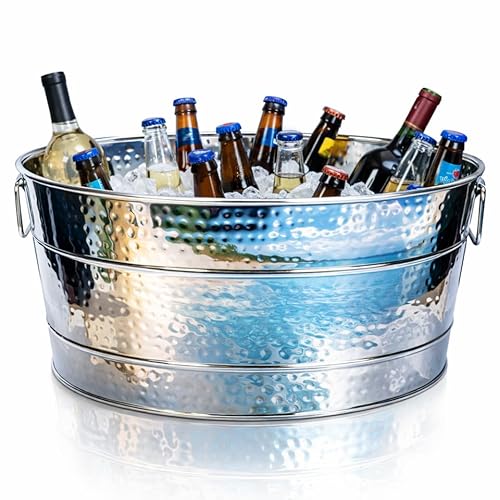
BREKX Aspen Heavy-Duty Oval Stainless Steel Drink Cooler for Parties - Metal Large Ice Bucket for Drinks, 25-Quart (30-Bottle) Large Cooler Ice Container for Parties
SPECIFICATIONS: Material: Heavy-duty 0.55mm stainless steel. Color: Silver. Size: 21”L x 14"W x 9”H. Capacity: 25qt / 6...
As an affiliate, we earn on qualifying purchases.

Cindy thoroughly researches juicing trends, techniques, and recipes to provide readers with practical advice and inspiration. Her writing style is accessible, engaging, and designed to make complex concepts easy to understand. Cindy’s dedication to promoting the advantages of juicing shines through her work, empowering readers to make positive changes in their lives through the simple act of juicing.