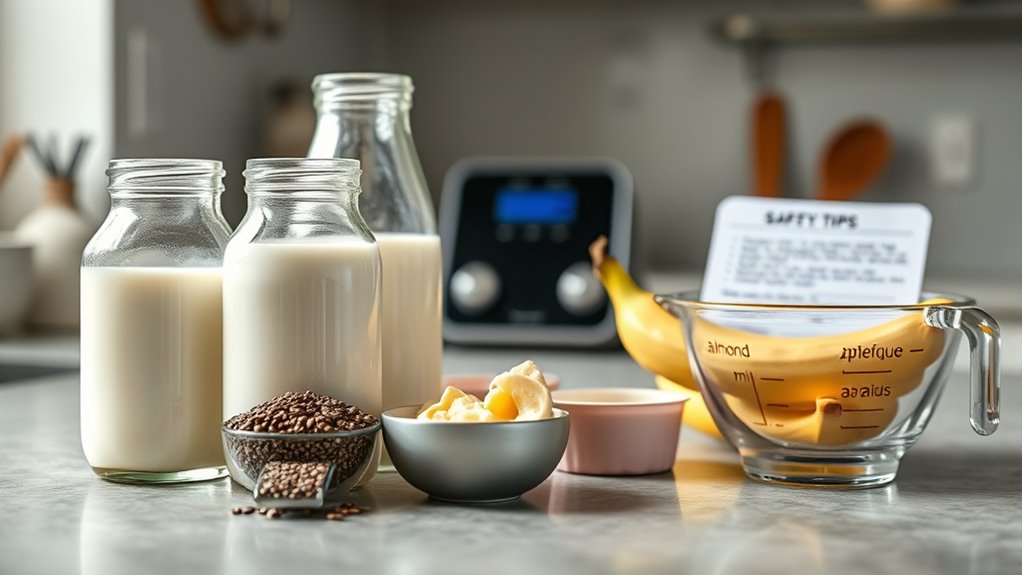

When considering baking substitutions, prioritize understanding each ingredient’s role—like moisture, leavening, or binding—and select safe alternatives that maintain flavor and texture. Check for allergen cross-reactivity and hidden triggers to prevent allergic reactions, and always inspect ingredients for spoilage or contamination. Proper storage and cautious testing help avoid food safety hazards. Keep detailed notes on your adjustments to improve safety and results. Continue exploring these steps to ensure every bake is both delicious and safe.
Key Takeaways
- Understand ingredient functions to choose safe, effective substitutions without compromising recipe safety or quality.
- Check for allergen cross-reactivity and hidden triggers to prevent allergic reactions or contamination.
- Properly store and handle ingredients to avoid spoilage, cross-contamination, and foodborne illnesses.
- Test new substitutions in small batches and monitor reactions before full-scale baking.
- Use trusted resources and guidelines to ensure safety, ingredient suitability, and best practices in baking.

Must-Have Kitchen Conversion Chart Magnet 50% More Data
- Hands-Free Refrigerator Magnet: Easy kitchen reference without phone or books
- More Conversion Data: 50% more info including calories and substitutions
- Comprehensive Measurement Guide: Covers cups, ounces, milliliters, temperatures, and more
As an affiliate, we earn on qualifying purchases.
As an affiliate, we earn on qualifying purchases.
Understanding Ingredient Functions in Baking
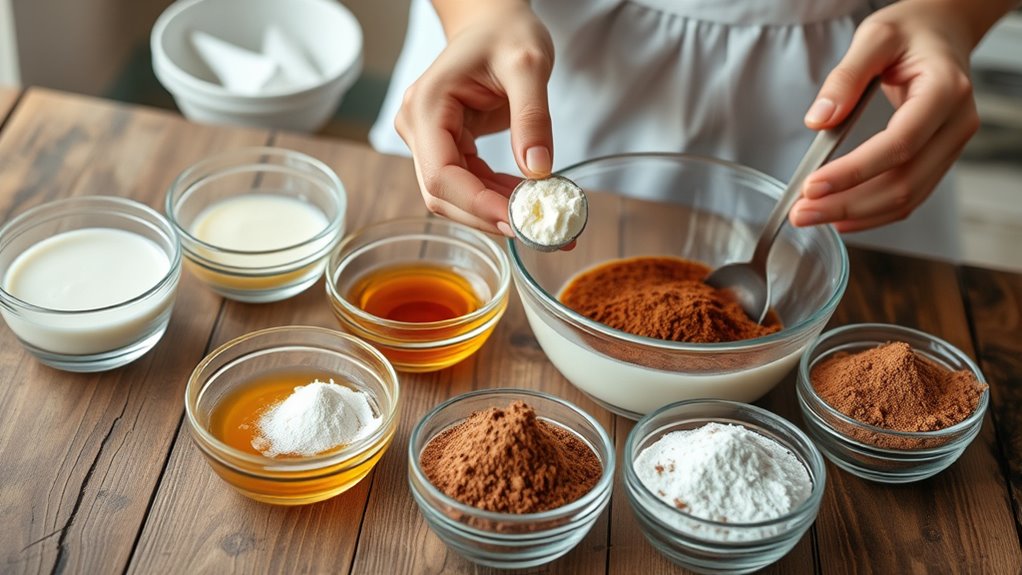
Understanding how ingredients work together is key to successful baking substitutions. When you grasp baking chemistry, you can adjust recipes confidently without compromising texture or flavor. For example, knowing that eggs act as binders helps you choose alternatives like flaxseed or applesauce if needed. Recognizing that baking soda and baking powder provide leavening allows you to substitute with other acidic ingredients or adjust quantities. Each ingredient serves a specific role—whether it’s moisture, structure, or leavening—so understanding these functions helps prevent common baking failures. Additionally, selecting safe and eco-friendly materials for baking tools and utensils can contribute to a healthier kitchen environment. By learning the science behind ingredient substitution, you ensure your baked goods turn out just right, even when you need to swap out key components. Mastering baking chemistry empowers you to make smarter, safer substitutions every time.
Checking for Allergen Cross-Reactivity
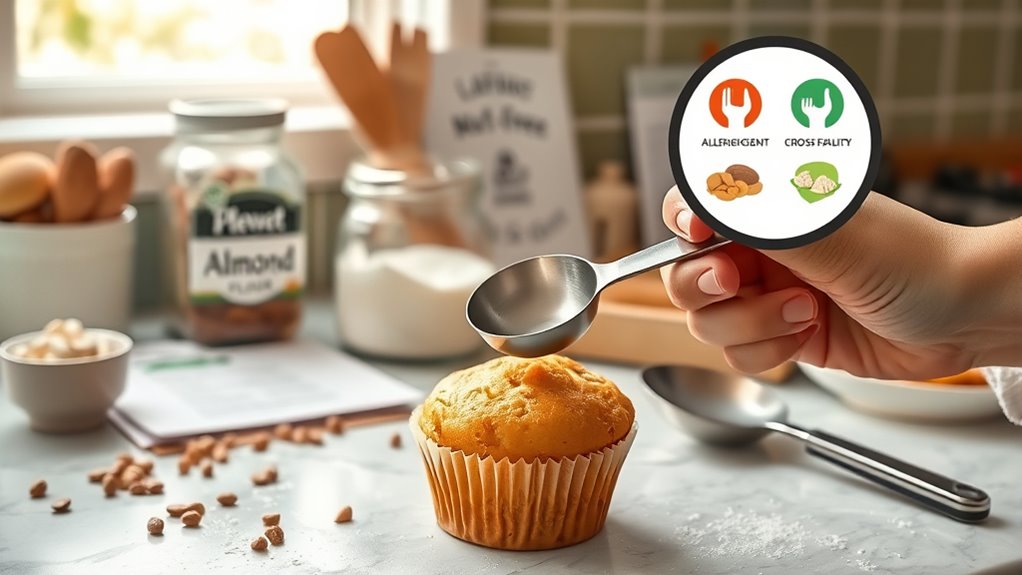
You need to be aware of common cross-reactive allergens that can cause unexpected reactions. Recognizing hidden triggers in ingredients helps prevent surprises, especially with less obvious sources. Testing for reactions guarantees your baked goods are safe for everyone with allergies. Being aware of relationship warning signs can also help in understanding and managing allergy-related stress or anxiety during the baking process.
Common Cross-Reactive Allergens
When checking for allergen cross-reactivity, recognizing that some proteins in different foods can trigger similar allergic responses is vital. Common cross-reactive allergens include tree nuts and peanuts, shellfish and mollusks, as well as wheat and barley. Understanding these relationships helps you avoid unexpected reactions and guarantees safer baking substitutions. Be aware that cross-reactivity can also impact the nutritional profile, so substituting one ingredient for another might alter the nutritional impact of your baked goods. Accurate allergen labeling becomes essential, especially when replacing ingredients with similar proteins. By knowing which allergens tend to cross-react, you can better identify potential risks, make informed choices, and prevent accidental exposures, safeguarding both your health and the safety of anyone consuming your baked creations. Additionally, understanding the concept of cross-reactivity can help you navigate complex allergen relationships more effectively.
Recognizing Hidden Triggers
Recognizing hidden triggers in allergen cross-reactivity requires careful inspection beyond obvious ingredients. You should check ingredient sourcing, as cross-contamination can occur during processing or packaging, even if the ingredient seems safe. Look for products with reputable safety certifications that verify allergen management standards. Be cautious of labels that say “may contain” or “produced in a facility that processes” certain allergens, as these indicate potential cross-contact. Remember, allergens can hide in unexpected places like flavorings, thickeners, or additives. By scrutinizing ingredient sourcing and selecting items with verified safety certifications, you reduce the risk of hidden triggers slipping into your baked goods. Additionally, understanding projector contrast ratio can help you choose the right equipment for creating a safer, well-lit baking environment. Staying vigilant helps protect those with allergies and ensures safer baking practices.
Testing for Reactions
How can you effectively identify if an allergen might trigger reactions due to cross-reactivity? You need to be aware of common cross-reactions, like those between nut allergies and related tree nuts or seeds, and gluten cross reactivity with other grains. Testing involves careful observation and research before baking. Additionally, understanding emotional dysregulation can help in recognizing how reactions might be influenced by psychological factors.
- Check your ingredient labels for potential cross-reactive substances
- Consult allergy charts that highlight nut allergy cross-reactions
- Conduct small test bakes with the alternative ingredient
- Watch for symptoms if someone consumes the baked good, especially with known gluten cross reactivity issues
Selecting Suitable Substitutes for Common Ingredients
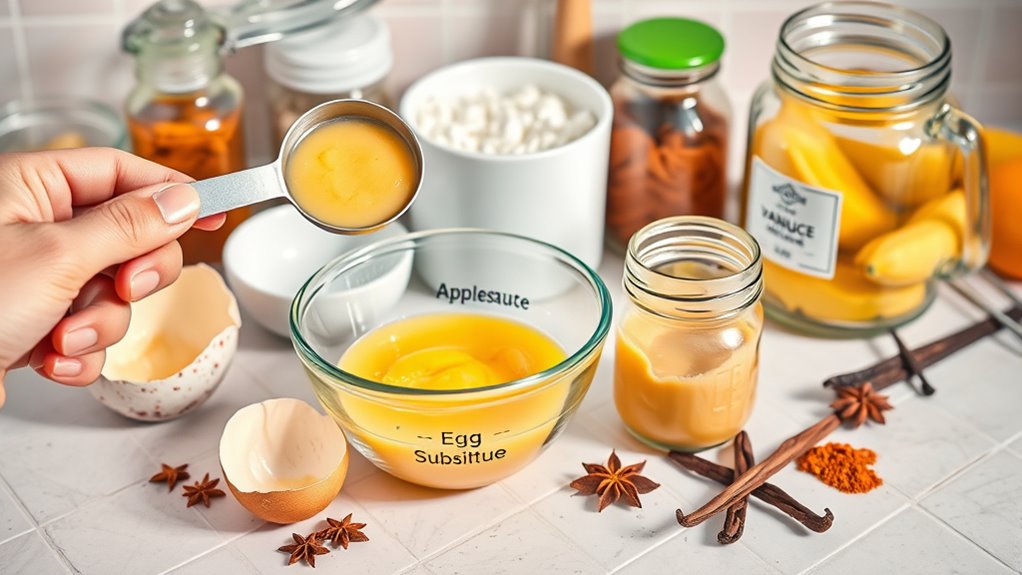
Choosing the right substitute for a common baking ingredient can make or break your recipe. When replacing sugar, consider alternative sweeteners like honey, maple syrup, or agave nectar, which add sweetness and moisture. For flour swaps, gluten-free flours such as almond, coconut, or rice flour work well, but keep in mind they may change the texture and flavor. Always check for compatibility with your recipe, especially if it relies on gluten’s structure, as gluten-free options may require additional binders like xanthan gum or guar gum. Avoid simply swapping ingredients without understanding their properties, as it can lead to undesirable results. Selecting suitable substitutes ensures your baked goods turn out delicious, safe, and true to the intended texture and taste.
Maintaining Proper Ratios and Measurements
Maintaining proper ratios and measurements is essential for guaranteeing your baked goods turn out just right. When you accurately measure ingredients, you help uphold equipment safety and prevent accidents caused by spills or improper mixing. It also ensures consistent results, especially when substituting ingredients. To keep everything in balance, pay attention to these key points:
Accurate measurements ensure perfect baked goods, safety, and consistent results every time.
- Use the correct measuring tools for liquids and solids
- Double-check ingredient quantities before mixing
- Store ingredients properly following storage guidelines
- Avoid overfilling measuring cups to prevent spills
Considering Flavor and Texture Compatibility
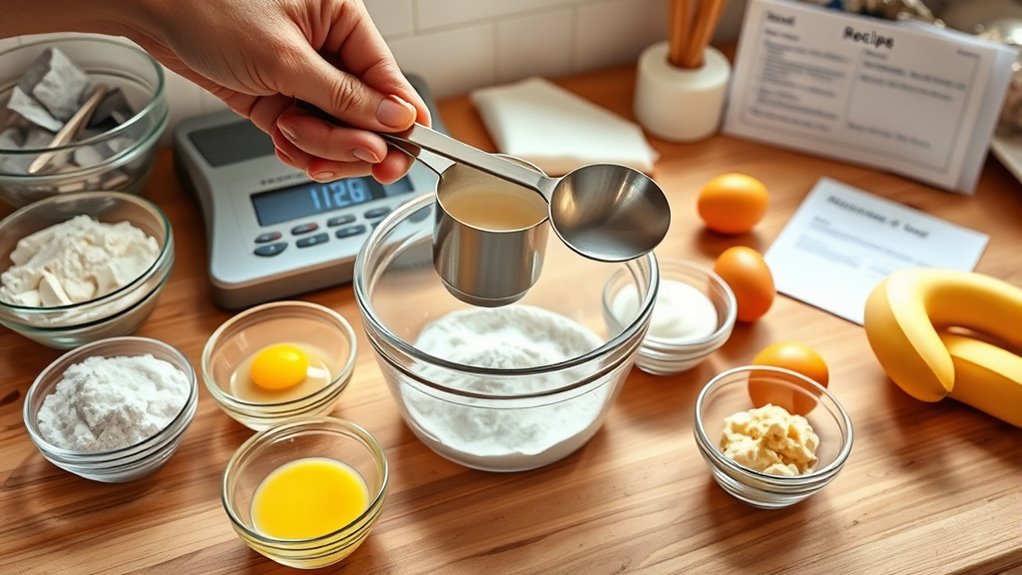
When substituting ingredients, it’s important to contemplate how they will affect the overall flavor and texture of your baked goods. Flavor pairing helps guarantee the new ingredient complements existing flavors, preventing unexpected or unpleasant tastes. For example, swapping an ingredient with a strong, contrasting flavor might overpower delicate components. Texture modification is equally vital; if you replace a moist ingredient with a drier one, your baked item could become crumbly or dry. Consider how the substitute will influence crumb structure, moisture levels, and mouthfeel. Balancing flavor and texture ensures your baked goods maintain their intended appeal. Always think ahead about how your substitutions will harmonize with other ingredients, creating a delicious and satisfying final product. Incorporating an understanding of ingredient properties can further refine your substitution choices for optimal results.
Adjusting Baking Times and Temperatures When Substituting
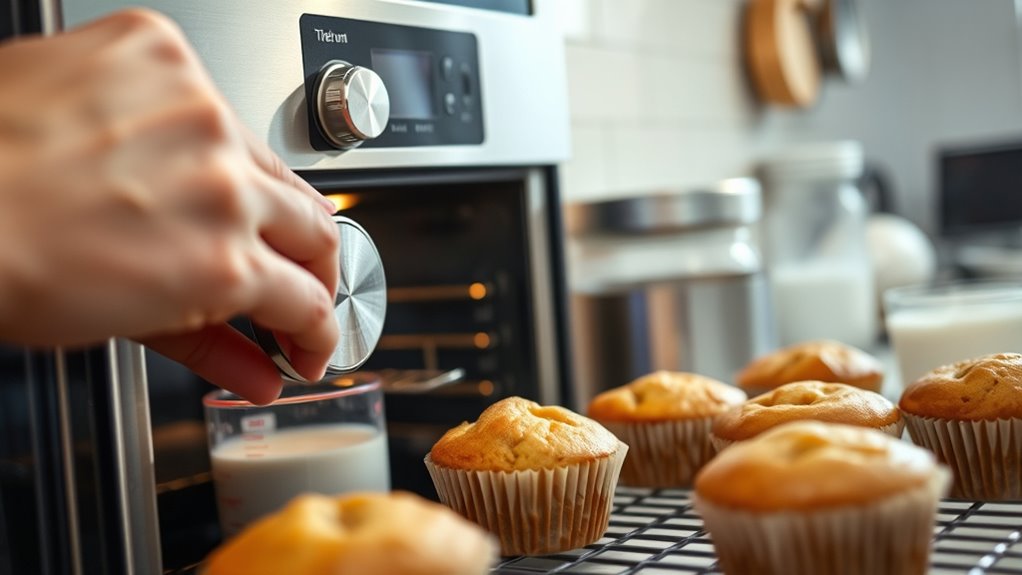
Since substituting ingredients can alter how your baked goods respond to heat, adjusting baking times and temperatures is often necessary to achieve the desired results. You may need to make baking time adjustments or temperature modifications based on the substitute used. For example, denser ingredients might require longer baking, while lighter substitutions could bake faster. Keep an eye on your baked good’s progress and adapt accordingly. Additionally, understanding how different baking guidelines can influence outcomes helps in making effective adjustments. These tweaks help ensure your baked goods turn out just right, despite ingredient changes.
Monitoring for Potential Safety Hazards
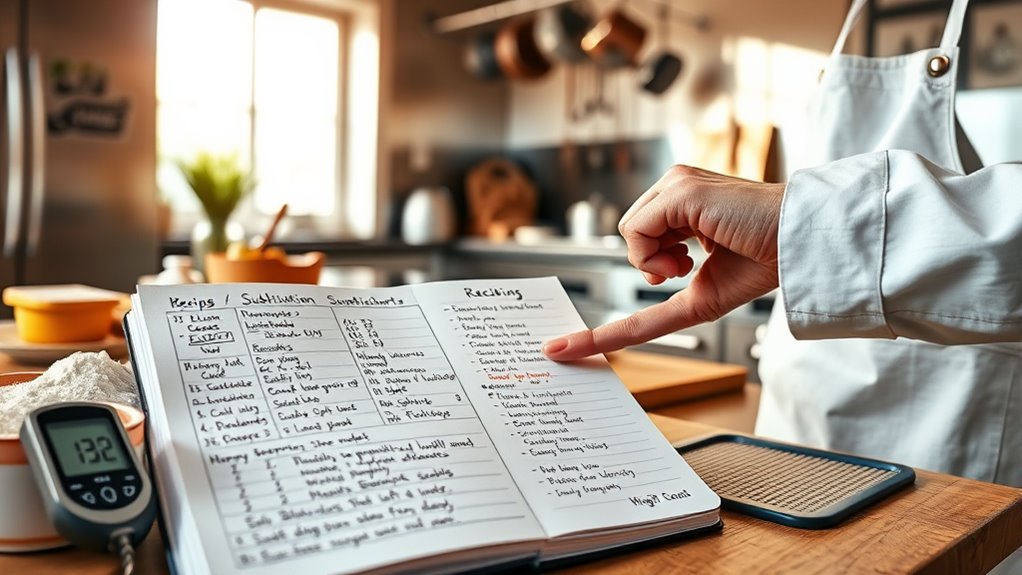
Monitoring for potential safety hazards is essential whenever you substitute ingredients in baking, as unexpected issues can arise that compromise safety. Always check ingredient freshness—stale or spoiled ingredients can lead to foodborne illness or poor results. Keep an eye on kitchen safety by avoiding cross-contamination, especially when handling raw or perishable items. Use the following table to identify common hazards:
| Hazard | Signs to Watch For | Preventive Action |
|---|---|---|
| Spoiled ingredients | Sour smell, mold, discoloration | Discard if questionable |
| Cross-contamination | Raw vs. cooked spills, unwashed tools | Wash hands and surfaces thoroughly |
| Overly old ingredients | Changes in texture or color | Use fresh ingredients |
| Improper storage | Leaking packages, mold | Store ingredients correctly |
| Unsafe substitutions | Unusual textures or smells | Test small batches first |
Additionally, understanding the history of pinball machines can provide insight into the evolution of gaming technology, which parallels the development of modern kitchen gadgets and safety features.
Keeping Records of Substitutions for Future Reference
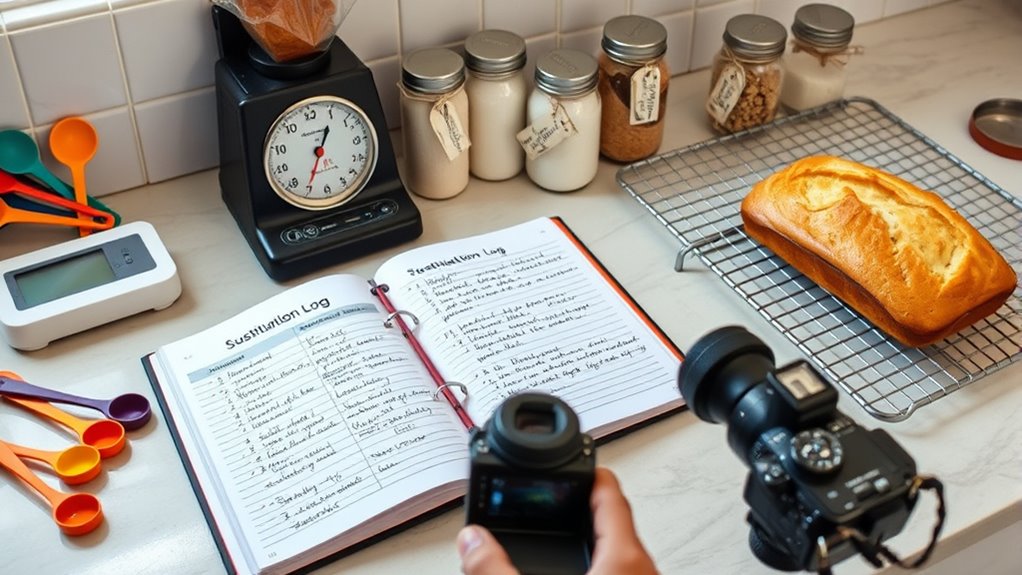
Keeping detailed records of your ingredient substitutions helps you improve your baking accuracy and guarantees safety in future attempts. Good record keeping practices involve noting what substitutions you made, quantities used, and the results. This substitution documentation helps you identify successful swaps and avoid repeat mistakes. It also provides insight into how different ingredients interact, ensuring safety and consistency. To effectively track your substitutions, consider these practices:
- Record the exact ingredient and brand used
- Note the reason for the substitution
- Include measurements and adjustments made
- Document the outcome and taste test results
- Be aware of cookie and privacy policies that may impact how you store and manage your records.
Frequently Asked Questions
How Do I Identify Hidden Allergens in Store-Bought Ingredients?
You can identify hidden allergens in store-bought ingredients by carefully reading allergen labeling, which must list common allergens clearly. Check ingredient sourcing details for potential cross-contamination risks, especially if ingredients come from facilities handling multiple allergens. Always look for certifications or allergy statements on packaging. If you’re unsure about any ingredient, contact the manufacturer directly to confirm. Staying vigilant helps protect yourself from unexpected allergen exposure.
Are There Any Substitutions That Could Cause Food Poisoning?
Imagine walking a tightrope, where each substitution is a step. Some, like raw eggs or expired dairy, pose substitution risks that can cause food poisoning if used improperly. To stay balanced, choose safe alternatives like pasteurized eggs or fresh dairy. Always verify labels and avoid risky swaps, as hidden dangers lurk in careless substitutions. Your careful choices keep your baking safe, delicious, and free from harm.
Can I Use Expired Ingredients as Substitutes Safely?
Using expired ingredients as substitutes isn’t safe because expired ingredients can harbor bacteria or lose their effectiveness, risking food poisoning. Always prioritize the safety of your baked goods by avoiding forbidden substitutions with expired items. Check expiration dates carefully, and if in doubt, discard expired ingredients. Rely on fresh, quality ingredients to ensure your baked treats are both delicious and safe for everyone to enjoy.
What Are Signs of Spoilage in Replacement Ingredients?
Think of spoiled ingredients like a withered, uninviting garden. You’ll notice signs like sour smells, strange textures, or visible mold—those fuzzy green or white patches that scream “discard me.” Check date labels carefully; if they’re past due or if mold detection is evident, don’t risk it. Spoiled replacements can ruin your baked goods and pose health hazards, so trust your senses and toss anything that shows these warning signs.
How Do I Handle Cross-Contamination Risks During Substitutions?
To handle cross-contamination risks during substitutions, you should prioritize cross-contact prevention by using separate utensils, bowls, and surfaces for each ingredient. Always practice proper cleaning by thoroughly washing all tools and work areas after handling different ingredients. This reduces residue transfer. Additionally, consider using color-coded equipment to easily identify which tools are designated for specific allergens or ingredients, ensuring a safer baking environment.
Conclusion
By understanding ingredient functions and carefully choosing substitutes, you can bake safely and confidently. Did you know that nearly 20% of baking mishaps are caused by incorrect substitutions? Keeping records helps you learn from each experience, ensuring better results every time. Remember to monitor for safety hazards and adjust times accordingly. With these tips, you’ll master baking substitutions safely and create delicious treats without risking your health or your recipe’s success.