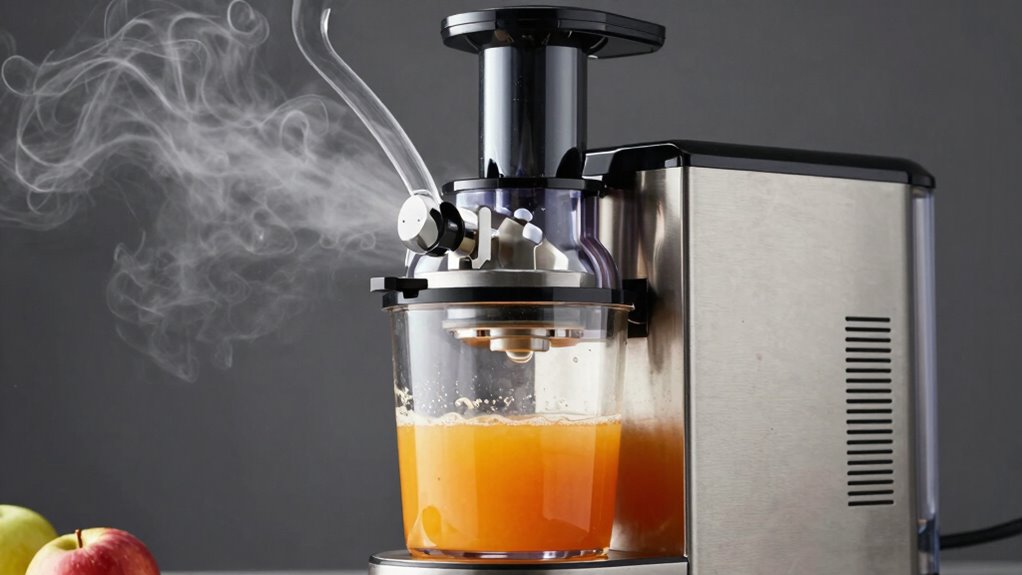
In modern juice production, aroma recovery captures volatile aromatic compounds during processing through techniques like vacuum distillation and adsorption. These methods trap the aromas before they escape, then purify and condense them into concentrates or extracts. The aroma is reintroduced into the juice at precise levels, restoring the fresh fruit aroma and flavor. If you want to discover how these advanced techniques enhance juice quality and consistency, there’s more to explore on this innovative process.

Get kitchen staples and gadgets delivered free with Prime
- Fast, free delivery on millions of items
- Prime Video, Amazon Music and more included
- Member-only deals all year
Key Takeaways
- Aromatic vapors are captured during processing using vacuum distillation or adsorption techniques to prevent aroma loss.
- The captured volatile compounds are purified, condensed into concentrates or extracts, and stored for reintroduction.
- Aromas are reintroduced into the juice at precise levels to restore natural flavor profiles.
- Processing conditions, such as cooling and vacuum levels, are carefully controlled to maximize aroma retention.
- Innovative methods enhance aroma preservation, improve efficiency, and ensure juice tastes as fresh as possible.
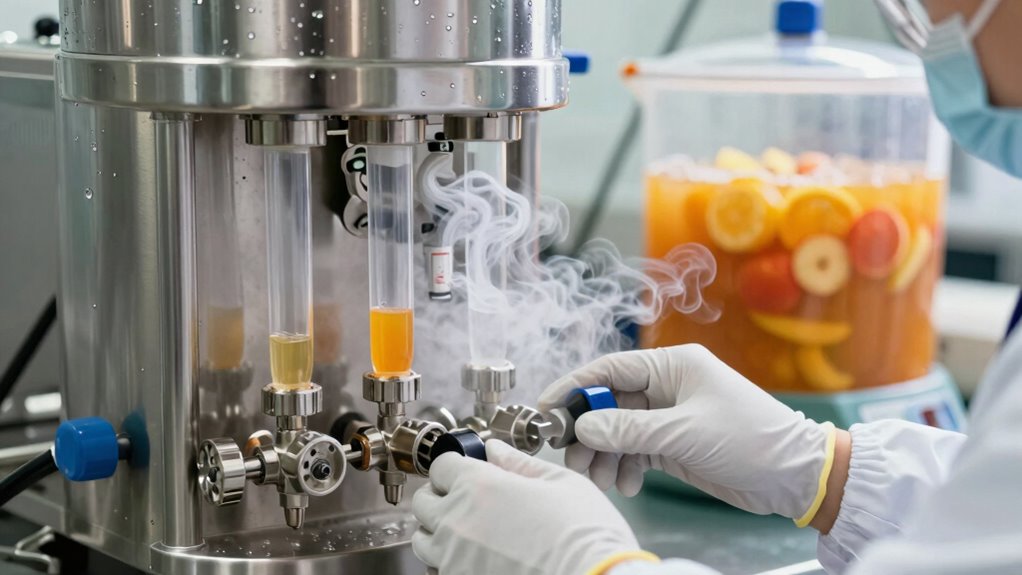
Aroma recovery plays a crucial role in guaranteeing the quality and flavor integrity of juice products. When you produce juice, maintaining the authentic fruit flavor and aroma preservation is essential to satisfy consumer expectations. Freshly harvested fruits contain volatile compounds responsible for their distinctive aroma, which can easily escape during processing. Without proper techniques, these aromatic elements are lost, resulting in a less appealing product. That’s where aroma recovery systems come into play, capturing and reintroducing these volatile compounds to conserve the juice’s natural aroma profile.
In modern juice production, aroma recovery typically involves capturing the aromatic vapors during various stages—such as extraction, pasteurization, or concentration—and then reusing them. When you heat or process juice, heat-sensitive volatile compounds tend to evaporate, leading to aroma loss. To prevent this, you can implement advanced techniques like vacuum distillation or adsorption, which efficiently trap these aromatic molecules before they escape into the environment. These methods allow you to preserve the fruit flavor that consumers love, ensuring the aroma remains lively and true to the original fruit.
Once captured, the aromatic compounds are often purified and condensed into a concentrate or aroma extract. You then have the option to reintroduce this concentrate into the juice at precise levels, restoring the original aroma profile. This process not only enhances the flavor quality but also helps maintain consistency across batches. For example, if you’re producing apple juice, aroma recovery ensures the characteristic apple scent and flavor are preserved, making your product more appealing and authentic.
The key to effective aroma recovery lies in controlling the conditions during extraction and reintroduction. Using cooling systems, proper vacuum levels, and careful timing can optimize the capture and retention of delicate aroma compounds. When you do this correctly, you greatly improve the overall quality of your juice, delivering a fresh, full-bodied fruit flavor every time. Additionally, efficient aroma recovery techniques help reduce waste and improve process efficiency, making your production more sustainable. Employing precise techniques for volatile compound management is essential to maximize recovery and quality.
Furthermore, incorporating innovative aroma recovery methods can lead to better preservation of sensitive aromatic profiles, boosting the appeal of your juice products. In essence, aroma recovery is about smartly capturing and reintegrating those precious volatile compounds that define your juice’s fruit flavor. By prioritizing aroma preservation throughout production, you create a product that tastes as close to fresh fruit as possible, giving your customers an authentic, satisfying experience. Implementing these systems shows your commitment to quality and innovation, ensuring your juice stands out in a competitive market. Proper aroma recovery not only enhances product quality but also promotes sustainability by reducing losses and waste.
aroma recovery system for juice production
As an affiliate, we earn on qualifying purchases.
As an affiliate, we earn on qualifying purchases.
Frequently Asked Questions
What Are the Main Benefits of Aroma Recovery for Juice Quality?
Aroma recovery greatly benefits juice quality by capturing aroma extraction that enhances flavor. You’ll notice a richer, fresher taste because flavor enhancement preserves the natural fruit notes. This process prevents aroma loss during processing, ensuring your juice maintains its vibrant aroma and authentic flavor profile. Ultimately, aroma recovery helps deliver a more appealing, enjoyable product to consumers, boosting satisfaction and distinguishing your juice in a competitive market.
How Does Aroma Recovery Impact Production Costs?
Ironically, aroma recovery actually cuts your production costs, making you wonder why anyone would ignore it. By implementing this process, you enhance cost efficiency and streamline operations. It reduces waste and minimizes the need for expensive flavor additives, saving money in the long run. Process optimization with aroma recovery means you get better juice quality without inflating your budget, proving that smart innovation pays off in both flavor and finances.
Are There Any Environmental Concerns With Aroma Recovery Methods?
Aroma recovery methods generally have minimal environmental impact when properly managed, as they aim to capture volatile compounds rather than release pollutants. However, you should consider regulatory compliance to guarantee your processes meet environmental standards. Some methods might involve chemicals or energy consumption, which could raise concerns if not handled responsibly. By adhering to regulations and implementing eco-friendly practices, you can minimize environmental effects and support sustainable juice production.
What Types of Aroma Compounds Are Most Commonly Recovered?
You’re capturing the essence of a fruit’s soul, as volatile compounds are most commonly recovered, including esters, aldehydes, and terpenes. These aroma compounds are key to aroma profiling, helping to recreate fresh, authentic flavors. By recovering these fleeting scents, producers guarantee juice maintains its natural zest, all while highlighting the importance of precise extraction. Think of it as bottling sunlight—preserving the bright, lively notes that define quality juice.
How Does Aroma Recovery Influence Shelf Life of Juice Products?
Aroma recovery considerably influences the shelf life of juice products by enhancing flavor preservation and shelf stability. When you recover and reintroduce aroma compounds, you prevent flavor loss caused by oxidation and storage. This shelf enhancement keeps the juice tasting fresh longer, maintaining its appealing aroma and overall quality. As a result, consumers enjoy a consistently enjoyable product, and your product’s marketability improves due to extended freshness and flavor integrity.
Conclusion
In the world of juice production, aroma recovery isn’t just a fancy trick — it’s the secret sauce that keeps your drinks bursting with flavor. By capturing and reusing those precious scents, producers save costs and preserve the authentic taste you love. It’s a win-win situation where everyone benefits, proving that sometimes, you’ve got to take the bull by the horns to keep quality high. When it comes to aroma recovery, you’re in safe hands, so rest assured your juice will always hit the sweet spot.
Halloween Picks
halloween
As an affiliate, we earn on qualifying purchases.