🔍 Read the full analysis: Barolo Vs Barbaresco: Same Grape, Different Souls on Mad Tasting

Get kitchen staples and gadgets delivered free with Prime
- Fast, free delivery on millions of items
- Prime Video, Amazon Music and more included
- Member-only deals all year
TL;DR
Barolo and Barbaresco are neighboring Piedmont appellations made from Nebbiolo, with different minimum aging requirements. Those rules and familiar style descriptions offer clues, but a bottle’s site, producer, vintage and age can matter just as much.
A Mad Tasting guide compares Barolo and Barbaresco, two neighboring appellations in Piedmont’s Langhe made from the same grape, Nebbiolo. The guide highlights a difference in their minimum aging requirements: Barolo requires at least 38 months of aging, including 18 months in wood, while Barbaresco requires 26 months, including nine months in wood. It also says those minimums do not predict every bottle’s style.
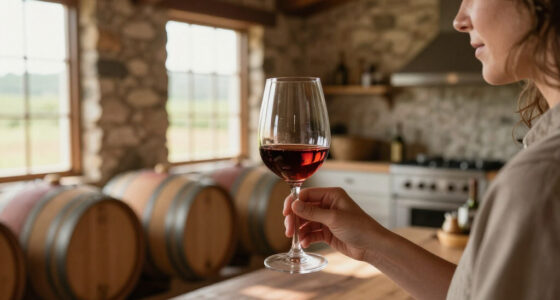
The Mad Tasting guide says both wines can show high acidity and firm tannins, alongside aromas such as rose, red cherry, herbs and earthy notes. With age, they may develop leather, dried flowers and spice. The guide describes “power and finesse” as a familiar shorthand for the appellations, while cautioning that it is a starting point rather than a guarantee: Barolo is not always muscular, and Barbaresco is not always delicate.
According to the guide, the wines come from distinct but neighboring vineyard zones. Barolo covers a larger area and includes communes such as Barolo, La Morra, Castiglione Falletto, Serralunga d’Alba and Monforte d’Alba. Barbaresco’s more compact zone centers on the villages of Barbaresco, Neive and Treiso, with part of Alba also included. The guide notes that slope, elevation, exposure, weather and soil can vary from one site to another in both zones.
The guide recommends comparing bottles from the same producer and vintage, when available. That approach holds two factors relatively steady and can make differences between the wines easier to notice. It is not a controlled experiment: vineyard sources and cellar choices may still differ. The comparison is for adults of legal drinking age; drink responsibly.
A Mad Tasting Guide · Piedmont, Italy
Barolo vs Barbaresco: Same Grape, Different Souls
Two neighboring Langhe appellations share Nebbiolo, yet their aging rules and vineyard zones offer different clues. Producer, site, vintage, and bottle age can matter just as much.
01 / Aging rules
Different clocks, useful clues
Minimum aging helps explain how much time a wine may have before release. It does not determine how powerful, aromatic, or ready to drink a particular bottle will be.
Barolo
More required time before release can shape expectations, but the appellation name alone cannot tell you how a bottle will show.
Barbaresco
A shorter minimum is one label clue among many; bottle age, producer choices, and vineyard source still shape the glass.
02 / Place matters
Two zones across the Langhe hills
Both appellations are in Piedmont, but they include distinct vineyard areas. Slope, elevation, exposure, weather, and soil can vary from site to site.
Barolo
Larger areaIncludes several communes across a broad vineyard zone.
Barbaresco
More compact areaCenters on a smaller cluster of villages, with part of Alba also included.
One grape, many growing conditions
A cooler or less exposed site may preserve freshness and firm edges; a warmer, sunnier site may bring riper fruit and a broader impression. Neither profile is inherently better. Commune and vineyard names can add clues, but cannot predict every glass.
03 / In the glass
Shared character, individual expression
Nebbiolo is associated with high acidity and firm tannins. Familiar aromas provide a starting vocabulary for tasting, not a checklist every bottle must meet.
Notes that may appear
Both wines can show vivid structure and a range of savory and floral aromas. With age, the profile may shift toward deeper, dried notes.
Think in possibilities
“Power and finesse” is a familiar shorthand for the appellations, but Barolo is not always muscular and Barbaresco is not always delicate.
Ripeness and extraction can affect how Nebbiolo’s structure feels, while site and cellar choices add further variation.
04 / A tasting you can try
Compare bottles at the table
A side-by-side tasting can help reveal differences in aroma and texture that a label alone cannot settle.
Match the variables
Choose Barolo and Barbaresco from the same producer and vintage, if available.
Serve consistently
Use a similar temperature for both, and give each wine some air.
Notice the details
Compare fruit, herbs, perfume, and whether the tannins feel tightly wound or open.
Follow the label
Use producer, commune, vineyard, and vintage as clues for future tastings.
05 / Quick answers
What the label can—and can’t—tell you
Treat appellation as a clue, then consider producer, site, vintage, and bottle age.
Are they made from the same grape?
Yes. Both appellations are made from Nebbiolo, known for high acidity and tannin.
How do the minimums differ?
Barolo: 38 months total, including 18 in wood. Barbaresco: 26 months total, including nine in wood.
Is Barolo always more powerful?
No. “Power versus finesse” is shorthand; site, producer, vintage, and age all help shape a bottle.
What does the guide establish?
It is an evergreen comparison with no dated announcement or named release. Its aging and geographic details are not independently documented in the supplied material.
How Aging Rules Shape Expectations
The Mad Tasting guide presents the required aging periods as a practical point of comparison when shoppers read labels. Barolo’s longer minimum, including more time in wood, and Barbaresco’s shorter minimum help explain why the wines may reach the market with different amounts of age. The guide cautions that the requirements do not, by themselves, establish how powerful, aromatic or ready to drink a particular bottle will be.
That distinction matters at the table and when choosing a wine to keep. The guide says firm tannins can feel more balanced alongside rich, protein-rich food, while a more open and aromatic wine may be inviting with a lighter meal or on its own. A wine that feels structured in its youth may reward patience; another may seem more generous earlier. These are possibilities shaped by the bottle, rather than promises attached to an appellation name.
For drinkers, the guide’s comparison also offers a way to learn what they prefer. Tasting two wines side by side can draw attention to differences in texture and aroma that a label alone cannot settle. Its takeaway is to treat appellation as a clue, then consider producer, site, vintage and bottle age.
As an affiliate, we earn on qualifying purchases.
Nebbiolo Across the Langhe Hills
The Mad Tasting guide says Barolo and Barbaresco are both made from Nebbiolo, a grape associated with high acidity and tannin. It lists rose, red cherry, herbs, tar and earthy notes among the aromas either wine may offer. As the wines age, their aromas can shift toward leather, dried flowers and spice. Their shared grape provides common ground, but it does not erase differences in where or how the grapes are grown and made into wine.
The guide says the Langhe’s varied slopes and exposures give nearby vineyards distinct growing conditions. A cooler or less exposed site may preserve freshness and firm edges, while a warmer, sunnier site may produce riper fruit and a broader impression. Neither profile is presented as inherently better. The guide adds that Nebbiolo’s structure can make differences in ripeness and extraction noticeable: less ripe fruit may seem austere, while very ripe fruit may feel broader and warmer.
The guide also notes that the often repeated link between “Nebbiolo” and nebbia, the Italian word for fog, has a debated origin. It does not treat the name’s etymology as settled. For readers exploring labels, the guide says commune and vineyard names provide additional clues, although neither can predict every aroma or texture in the glass.
What a Label Cannot Predict
The source material, identified as a Mad Tasting guide, does not identify a recent event, publication date, named wine release or new regulation. It presents an evergreen comparison, so there is no current announcement or reported change to confirm. The aging periods and geographic descriptions are supplied by the guide; the material does not cite appellation regulations or provide independent documentation.
For any specific bottle, the guide leaves open how strongly its appellation, site, producer, vintage and age will shape the result. It also does not provide tasting notes for named bottles or a vintage-by-vintage comparison. The stylistic descriptions are broad expectations, not findings that apply to every wine.
Compare Bottles at the Table
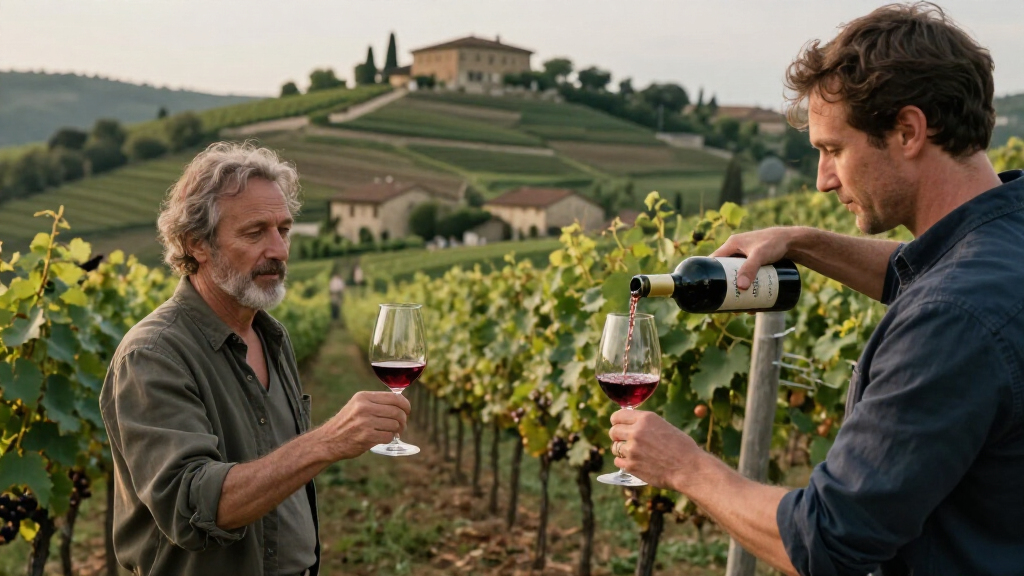
The Mad Tasting guide suggests a side-by-side tasting of Barolo and Barbaresco from the same producer and vintage. Serve them at a similar temperature and give them some air, then compare aroma and texture as well as fruit. Notice whether one wine’s tannins feel more tightly wound, or whether the other opens with more herbs and perfume.
Readers can then use the label’s producer, commune, vineyard and vintage as starting points for further comparisons. As the guide cautions, a single tasting cannot establish a rule for an entire appellation, but repeated tastings can help reveal which styles suit a drinker’s preferences and meals.
Key Questions
Are Barolo and Barbaresco made from the same grape?
Yes. The Mad Tasting guide says both appellations are made from Nebbiolo, a grape associated with high acidity and tannin.
How do their minimum aging requirements differ?
The Mad Tasting guide gives Barolo a minimum of 38 months, including 18 months in wood. It gives Barbaresco a minimum of 26 months, including nine months in wood.
Is Barolo always more powerful than Barbaresco?
No such rule applies to every bottle. The guide calls power versus finesse a shorthand and says site, producer, vintage and age also shape a wine’s style.
What is a useful way to compare the two wines?
The guide recommends tasting bottles from the same producer and vintage side by side, if available. Differences in vineyard sources and winemaking can still affect the comparison.
Source: Mad Tasting
NFL season / tailgating Picks
team gear
As an affiliate, we earn on qualifying purchases.