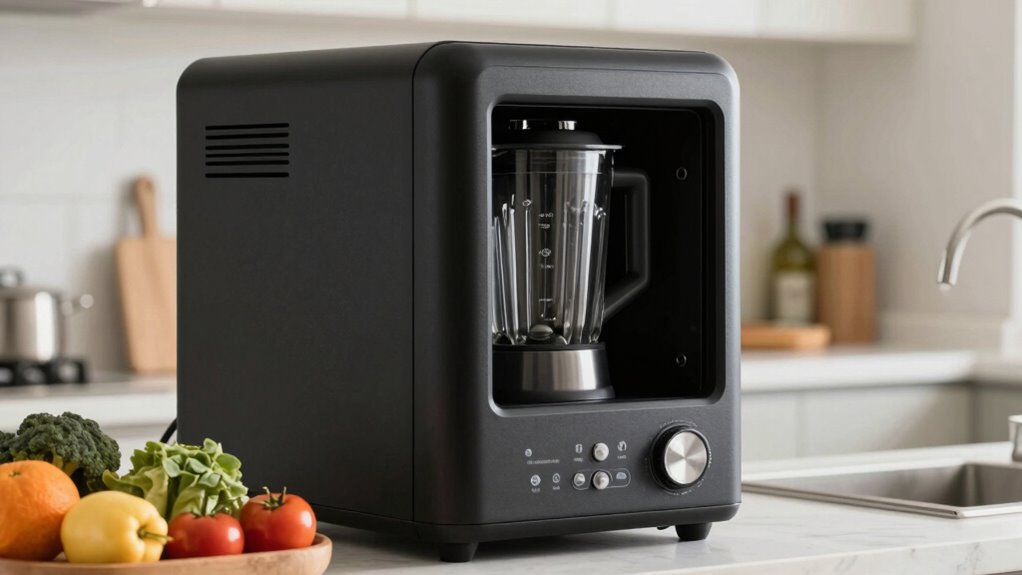

To determine if a blender sound enclosure will help, check if it’s made from dense, sound-absorbing materials like acoustic foam, rubber, or thick plastics, which block noise effectively. Make sure it fits snugly around your blender with minimal gaps and includes proper ventilation to prevent overheating and sound leaks. If these features are in place, your enclosure is likely to reduce noise considerably. Keep exploring for more tips on choosing the best soundproof solutions.
Key Takeaways
- Check if the enclosure uses dense, sound-absorbing materials like rubber or acoustic foam for effective noise reduction.
- Ensure the enclosure fits snugly around the blender with minimal gaps to prevent sound leaks.
- Look for sound-dampening features such as mufflers or specialized vents that allow airflow while reducing noise.
- Confirm the enclosure is durable and easy to clean, maintaining long-term soundproofing performance.
- Review user feedback or product specifications indicating measurable noise reduction and effective sound containment.
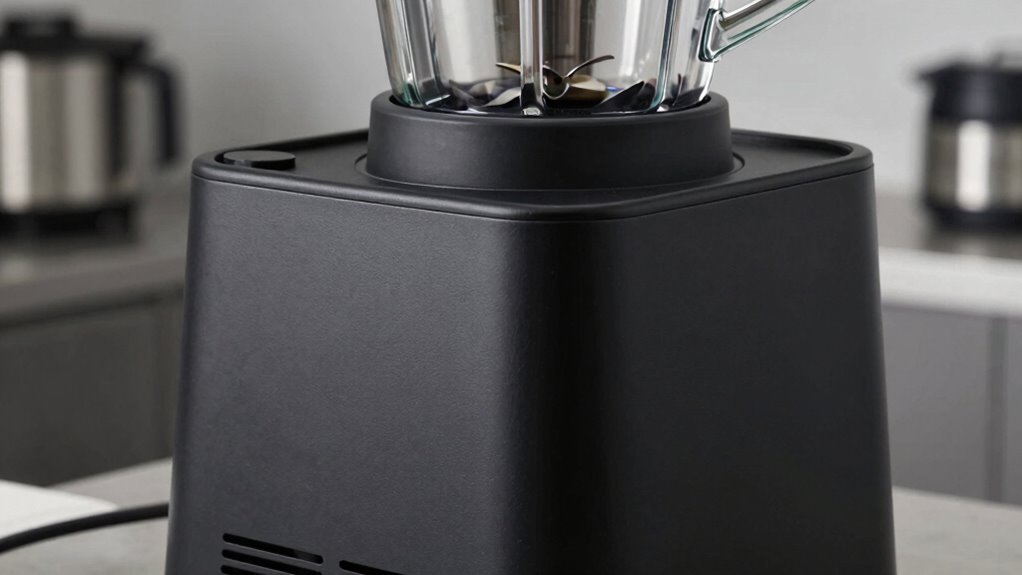
Ever wondered how to reduce noise and improve sound quality when using a blender? If you’ve ever been interrupted by loud blending sounds or worried about disturbing others nearby, then understanding how blender sound enclosures work can help. The key to effective noise reduction lies in two main factors: material selection and enclosure design. When choosing a sound enclosure, pay close attention to the materials used, as they play a vital role in dampening sound waves and preventing noise from escaping. Materials like dense plastics, acoustic foam, or rubber are popular choices because they absorb or block sound effectively. Thicker, denser materials tend to perform better, so don’t settle for flimsy or lightweight options if noise reduction is your goal.
Material selection isn’t just about noise absorption; it also impacts the durability and usability of the enclosure. For example, a sturdy plastic shell provides a good balance of soundproofing and ease of cleaning, which is important in a kitchen environment. Acoustic foam, on the other hand, excels at absorbing high-frequency sounds but may not be as durable against spills or impacts. Combining different materials, such as using a rigid outer shell with interior foam padding, can optimize both noise reduction and practicality. The right material choice can make a noticeable difference in how much sound is contained and how much noise pollution you avoid creating.
Choosing durable, easy-to-clean materials enhances noise reduction and practicality in blender enclosures.
In addition to selecting the appropriate materials, consider how the enclosure is constructed. A well-designed sound enclosure should fit snugly around your blender, with minimal gaps or leaks that allow sound to escape. Proper sealing is essential for maximizing noise reduction, so look for enclosures with tight-fitting lids or sealant options. Ventilation is another factor: a good enclosure allows airflow to prevent overheating but includes sound-dampening vents or mufflers to keep noise contained. The goal is to strike a balance between effective noise reduction and maintaining the blender’s functionality.
Furthermore, understanding soundproofing principles can help you make more informed choices and select or build an enclosure that truly reduces noise. Ultimately, whether an enclosure will genuinely help depends on how well it’s designed and what materials are used. A high-quality enclosure with thoughtfully selected materials can considerably cut down on noise and improve sound quality during operation. If noise is a concern, invest in an enclosure that emphasizes soundproofing through dense, sound-absorbing materials and airtight construction. When you choose wisely, you won’t just reduce noise—you’ll also create a more pleasant and less disruptive environment while blending.
Frequently Asked Questions
Can Sound Enclosures Improve Blender Performance?
Yes, sound enclosures can improve your blender’s performance by reducing noise and vibration. They help contain the sound, making your workspace quieter, while also minimizing vibrations that might affect efficiency. By controlling noise reduction and vibration, an enclosure can keep your blender running smoothly and quietly, allowing you to work more comfortably without sacrificing performance. Just make certain the enclosure is well-ventilated to prevent overheating.
Are There Eco-Friendly Sound Enclosure Options?
Imagine you’re stepping into a future where eco-friendly sound enclosures exist. Yes, you can find options made from eco-friendly materials that reduce environmental impact. These enclosures often feature sustainable manufacturing processes, ensuring they’re both effective and kind to the planet. You’ll want to look for certifications or labels indicating sustainable practices. By choosing eco-conscious options, you support environmental preservation while enjoying quieter, more efficient blender operation.
How Do Sound Enclosures Affect Blender Maintenance?
Sound enclosures can make blender maintenance trickier because they may cause vibration damping issues and airflow restriction. You might find it harder to access parts or clean properly since the enclosure can trap dust and restrict cooling airflow. To avoid problems, choose enclosures designed with ventilation and vibration control in mind. Regularly check for buildup and ensure the enclosure doesn’t hinder cooling, keeping your blender running smoothly.
Can Sound Enclosures Be Customized for Different Blender Models?
Yes, sound enclosures can be customized for different blender models. You’ll need to take into account material compatibility to ensure the enclosure fits securely and effectively reduces noise. Aesthetic customization allows you to match the enclosure’s appearance with your workspace or personal style. Customizing involves adjusting size, shape, and design details, so you get a perfect fit and look that complements your setup while also minimizing sound output.
Do Sound Enclosures Reduce Overall Kitchen Noise Levels?
You’ll find that sound enclosures can reduce overall kitchen noise levels by up to 50%. They work by enhancing noise absorption through effective enclosure materials like dense foam or acoustic panels. This means less sound escapes into your living space, creating a quieter environment. If noise reduction is your goal, investing in a well-designed enclosure can make a noticeable difference, making your kitchen a more peaceful place to cook and chat.
Conclusion
If you’re considering a blender sound enclosure, ask yourself if it will reduce noise, improve your experience, and protect your space. If it can do all three, then it’s worth trying. If it can’t, then don’t expect miracles. Remember, a good enclosure should contain noise, not just hide it. By choosing wisely and evaluating your needs carefully, you’ll create a quieter, more comfortable environment—because the right enclosure works for you, and only when it truly helps.