
Using a cutting board with the right surface size improves your juicing flow by giving you enough space to work efficiently and safely. A larger board allows you to handle multiple ingredients at once, reducing the need to reposition or shuffle items, which can cause accidents. It also helps you stay organized and speeds up your prep. If you want to discover how to choose the perfect size and materials, keep exploring the basics of cutting board safety and design.

Get kitchen staples and gadgets delivered free with Prime
- Fast, free delivery on millions of items
- Prime Video, Amazon Music and more included
- Member-only deals all year
Key Takeaways
- Larger cutting boards provide ample space for handling multiple fruits and vegetables simultaneously, improving efficiency.
- Bigger surfaces reduce the need for repositioning ingredients, minimizing accidents and streamlining workflow.
- Adequate surface size supports better organization, preventing cross-contamination during juicing prep.
- Smaller boards cause frequent repositioning, slowing down the process and increasing safety risks.
- A properly sized surface enhances overall safety, hygiene, and ease of cleaning during juicing routines.
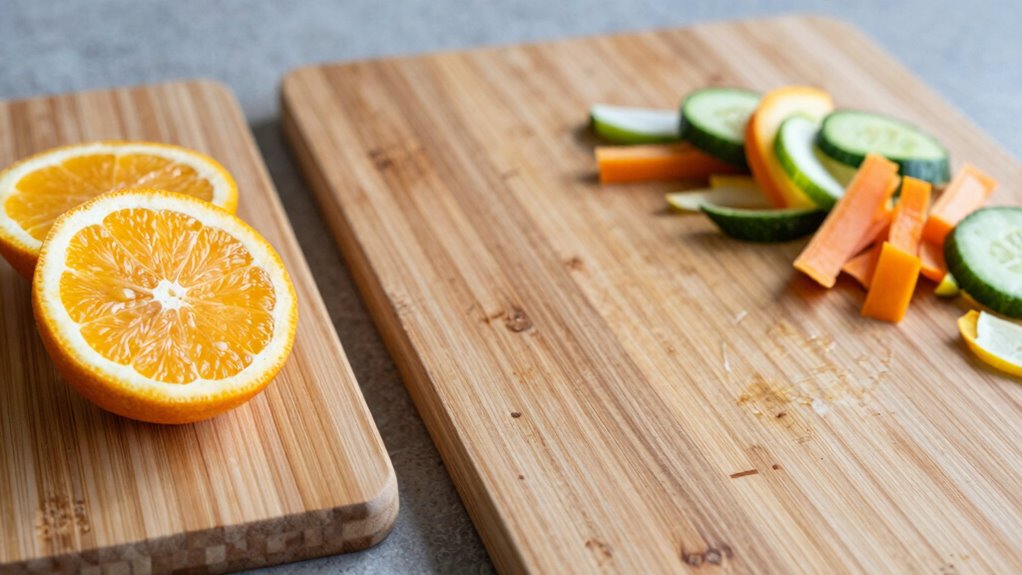
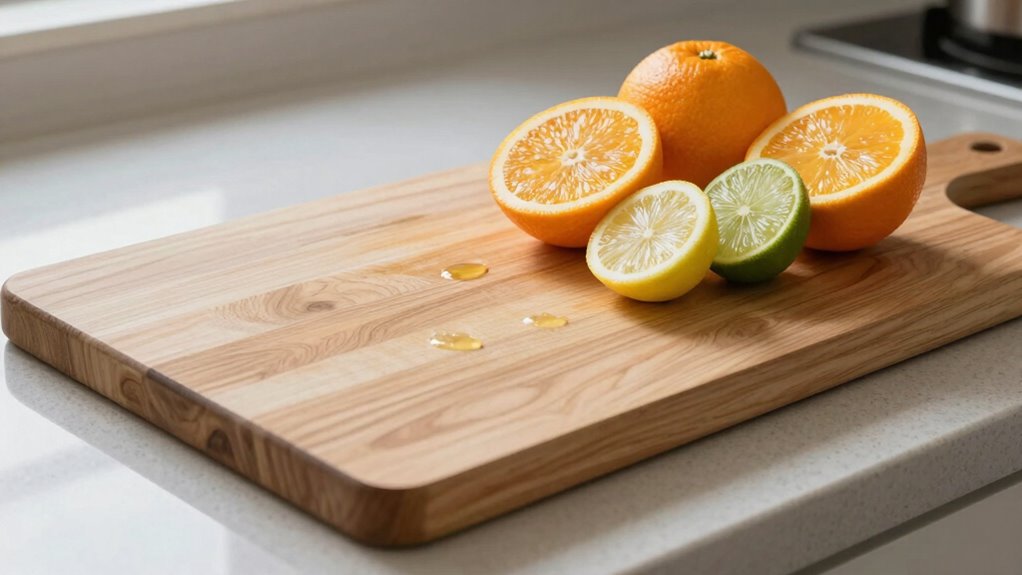
Are you tired of slipping and sliding while preparing fruits and vegetables for juicing? The right cutting board can make all the difference in your prep process. When choosing a board, surface size matters more than you might think. A properly sized surface provides ample space for your produce, which helps maintain a smooth workflow. If your board is too small, you might find yourself constantly repositioning items, increasing the chances of accidents or messes. Conversely, a larger surface lets you spread out your ingredients, making the process more efficient and less stressful.
But size isn’t everything. The surface materials of your cutting board play a crucial role in safety and longevity. For knife safety, you want a surface that’s gentle on your blades, preventing dulling or chipping. Hardwood boards, like maple or cherry, tend to be ideal because they’re sturdy yet gentle on knives. Plastic boards, on the other hand, often offer a softer surface and are easy to clean, reducing the risk of cross-contamination. However, they can develop deep cuts over time, which might harbor bacteria if not replaced regularly. Choosing the right surface material means considering your typical use — if you’re juicing frequently, a durable, easy-to-sanitize board is essential.
Additionally, surface size impacts the flow of your prep routine. A larger board allows you to work more comfortably, especially when handling big quantities of produce. You won’t need to constantly shuffle ingredients around, which improves safety and speed. Smaller boards might seem convenient, but they can hinder your efficiency and increase the risk of slipping or knocking over items. When your surface is large enough, you can work with multiple ingredients simultaneously, streamline your prep, and reduce the chance of accidents. Moreover, selecting a surface with appropriate material can influence how well it withstands frequent use and cleaning routines. It’s also helpful to consider the surface texture—a smooth, even surface eases cleaning and prevents food from catching in grooves. Choosing a surface with good anti-slip features can further enhance safety during your prep work.
Furthermore, understanding the importance of surface maintenance helps prolong the life of your cutting board and ensures it remains safe for food preparation. Ultimately, the combination of surface size and material choice influences how smoothly your juicing prep goes. A bigger, well-chosen surface provides stability, space, and safety, making your entire process more enjoyable. Remember, knife safety also depends on using a board that supports your cuts properly. When you select a surface material suited to your needs and opt for a size that lets you work confidently, you’ll notice a significant improvement in your juice-making routine. It’s about creating a space where safety, efficiency, and convenience come together, ensuring you get the most out of your fruits and vegetables without frustration or risk.
As an affiliate, we earn on qualifying purchases.
Frequently Asked Questions
What Materials Are Best for Juicing Cutting Boards?
You should choose cutting boards made of durable materials like bamboo, hardwood, or plastic for juicing. These materials offer excellent material durability, preventing cuts and scratches that harbor bacteria. Additionally, consider cutting board ergonomics—look for a surface that’s comfortable to work on for extended periods. Plastic boards are lightweight and easy to clean, making them a practical choice, while bamboo combines durability with eco-friendliness.
How Do I Clean and Maintain a Juicing Cutting Board?
You should regularly clean your juicing cutting board with hot, soapy water to remove residues and prevent bacteria buildup. Investigate the idea that sanitizing with vinegar or hydrogen peroxide enhances cleanliness—research shows it can be effective. For maintenance tips, dry the board thoroughly, especially if it’s wood, and periodically oil it to prevent cracking. Proper cleaning techniques and consistent upkeep keep your board safe and in top shape.
Can a Small Cutting Board Handle Large Quantities of Juice?
A small cutting board generally can’t handle large quantities of juice effectively because it lacks surface stability and space, leading to more juice spillage. When you’re juicing in bulk, a larger surface helps contain the juice, reducing mess and preventing spills. Plus, a bigger board offers better stability, making it easier to manage large produce and keep everything steady, which improves flow and minimizes cleanup.
Are There Specific Cutting Board Shapes Ideal for Juicing?
You might be surprised, but shaped cutting boards with ergonomic surface design are your best bet for efficient juicing. These uniquely designed boards fit comfortably in your workspace, guiding your juicing flow seamlessly. Their contours help collect juice and pulp, reducing mess and maximizing efficiency. By choosing the right shape, you streamline your process, avoid spills, and make juicing more enjoyable. Ready to upgrade your setup? These boards could change everything.
How Does Surface Size Affect Juice Extraction Efficiency?
A larger surface area improves your juice extraction efficiency because it provides more space for fruit and vegetables, reducing overcrowding. When you have enough room, you can apply consistent pressure and maneuver items easily, which helps extract more juice. Conversely, a smaller surface size limits movement and may decrease extraction efficiency, making your juicing process less effective. So, choosing a cutting board with ample surface area benefits your overall juicing flow.
Conclusion
As you consider your next juicing session, remember that the surface size of your cutting board isn’t just a detail—it’s the key to a smoother flow. Picture the vibrant colors of fresh fruits, the crisp sound of chopping, and the effortless glide of your knife across a spacious surface. Choose wisely, and you’ll discover a seamless, inspiring juicing experience that keeps your creative juices flowing. The right surface could make all the difference—are you ready to find out?
NFL season / tailgating Picks
team gear
As an affiliate, we earn on qualifying purchases.