

Farm-style juice messaging emphasizes traditional, rustic methods, highlighting sustainability, local craftsmanship, and natural flavors, appealing to your desire for authenticity and ecological care. In contrast, clean-label messaging focuses on transparency and simple ingredients, reassuring you that the product is honest, minimally processed, and free from artificial additives. Both approaches connect with your values differently—farm-style with tradition and sustainability, clean-label with health and clarity. Keep exploring to discover how these messages shape your choices even more.

Get kitchen staples and gadgets delivered free with Prime
- Fast, free delivery on millions of items
- Prime Video, Amazon Music and more included
- Member-only deals all year
Key Takeaways
- Farm-style messaging emphasizes traditional, rustic methods, sustainability, and local craftsmanship, highlighting authenticity and environmental practices.
- Clean-label messaging focuses on transparency, simple ingredients, and avoiding artificial additives, promoting trust and health.
- Farm-style appeals to consumers seeking authentic, locally-sourced, and eco-friendly products rooted in agricultural heritage.
- Clean-label appeals to health-conscious consumers prioritizing natural, minimally processed ingredients with clear labeling.
- While farm-style stresses traditional and sustainable practices, clean-label centers on ingredient honesty and product purity.
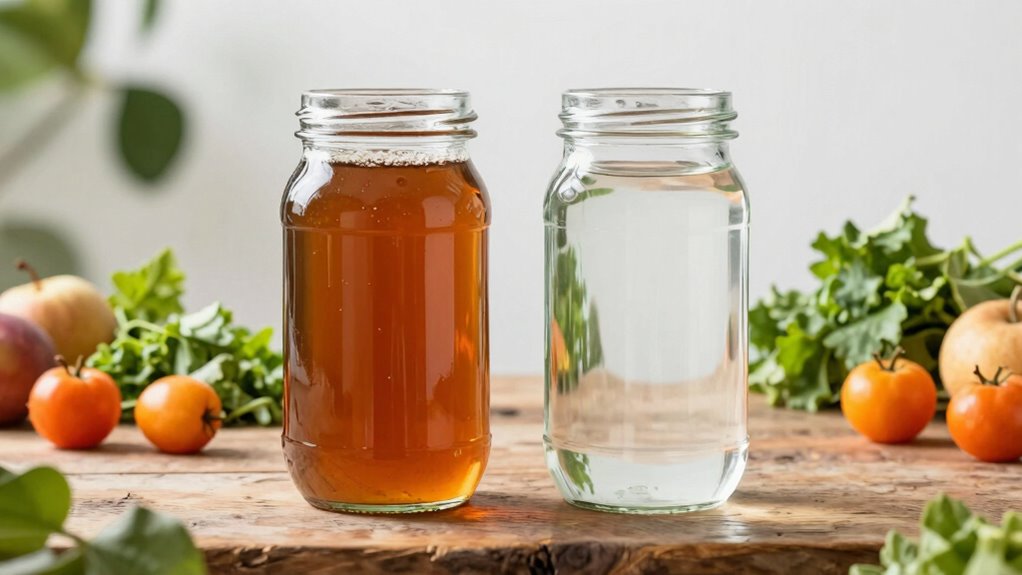
As consumers become more discerning about the products they choose, the messaging behind juice labels has evolved considerably. You’re likely noticing labels that emphasize farm-style qualities or clean-label promises, and understanding the difference can help you make better choices. Farm-style messaging often evokes images of traditional, rustic production methods. It suggests that the juice comes from small-scale farms that prioritize sustainability practices and a closer connection to nature. When a label highlights farm-style qualities, it’s tapping into your desire for authenticity, tradition, and a sense of local craftsmanship. You might see phrases like “crafted on family farms” or “small-batch” to reinforce this image. These labels appeal to your sense of trust, implying that the juice is made with care, minimal processing, and a focus on natural flavors. They often emphasize sustainability practices, such as organic farming or environmentally friendly harvesting, to reinforce their commitment to protecting the planet. Recognizing the importance of biodiversity can deepen your understanding of how these practices impact ecosystems and the health of our planet. Additionally, many farm-style brands highlight their use of traditional methods, which can further differentiate them from mass-produced options. Understanding environmental sustainability can help consumers better appreciate the broader impact of their choices in food and beverages. In this context, the emphasis on small-scale farming often signifies a commitment to preserving traditional agricultural practices and promoting local economies.
On the other hand, clean-label messaging prioritizes ingredient transparency, making it clear exactly what’s inside the bottle. You’re likely to see labels that list simple, recognizable ingredients—no artificial flavors, preservatives, or added sugars. The focus here is on honesty and straightforwardness. The goal is to give you confidence that what you’re drinking is natural, minimally processed, and free from unnecessary additives. Clean-label brands often highlight their commitment to ingredient transparency, making it easy for you to understand the product’s origins and contents. This approach appeals to consumers who value health, wellness, and honesty in food. When a label emphasizes clean-label qualities, it’s often because the brand wants to distinguish itself by offering transparency and purity, aligning with your desire for products that are straightforward and trustworthy.
As an affiliate, we earn on qualifying purchases.
Frequently Asked Questions
How Do Consumer Perceptions Differ Between Farm-Style and Clean-Label Juice?
You see farm-style juice as offering greater flavor authenticity and a natural appeal, making it feel more genuine and traditional. On the other hand, clean-label juice appeals to your desire for transparency and health-conscious choices, often perceived as pure and free from artificial ingredients. Your perceptions are influenced by these messages, with farm-style emphasizing tradition and flavor, while clean-label highlights simplicity and natural quality.
What Marketing Strategies Are Most Effective for Each Juice Messaging?
You should emphasize flavor authenticity for farm-style juice by sharing stories of local farms and using natural imagery. For clean-label juice, focus on brand authenticity with transparent ingredient lists and certifications. Notably, 65% of consumers trust brands that are transparent. Use marketing strategies that build trust and highlight quality, making your messaging resonate with consumers’ desire for genuine, honest products.
Are There Regulatory Differences in Labeling for Farm-Style Versus Clean-Label Juices?
Yes, there are regulatory differences in labeling for farm-style versus clean-label juices. You must guarantee regulatory compliance by accurately representing ingredients, processing methods, and origin. Clean-label juices often require transparency, emphasizing natural ingredients and minimal processing, while farm-style labels might highlight farm origins and traditional methods. Clear, truthful labels build consumer trust and meet legal standards, so always verify your claims to avoid penalties and ensure label transparency.
How Does Ingredient Sourcing Impact the Messaging of Each Juice Type?
When it comes to ingredient sourcing, it’s the key to truly connecting with consumers. You want to show ingredient transparency and sourcing authenticity, because they’re essential for both farm-style and clean-label juices. A genuine story about where your ingredients come from can make your message resonate. It’s not just about the product — it’s about building trust, and that’s how you turn heads in a crowded market.
What Are the Potential Challenges in Communicating Both Styles Simultaneously?
You might face branding confusion when trying to communicate both styles simultaneously, as their messaging appeals to different values and expectations. Target audience segmentation becomes tricky, too, because farm-style emphasizes authenticity and tradition, while clean-label highlights transparency and purity. Balancing these messages requires clear branding strategies to avoid diluting your brand’s identity, ensuring each style resonates with its intended audience without causing confusion or alienation.
Conclusion
Understanding the difference between farm-style and clean-label juice messaging helps you connect more authentically with consumers. Did you know that 70% of shoppers prioritize transparency and natural ingredients when choosing beverages? By aligning your messaging with these values, you build trust and loyalty. Whether emphasizing farm-fresh origins or clean-label purity, your approach can make a real impact. Embrace honest communication, and watch your brand resonate deeply with health-conscious buyers.
Fall Picks
fall essentials
As an affiliate, we earn on qualifying purchases.