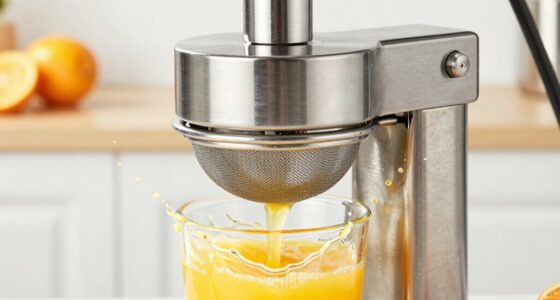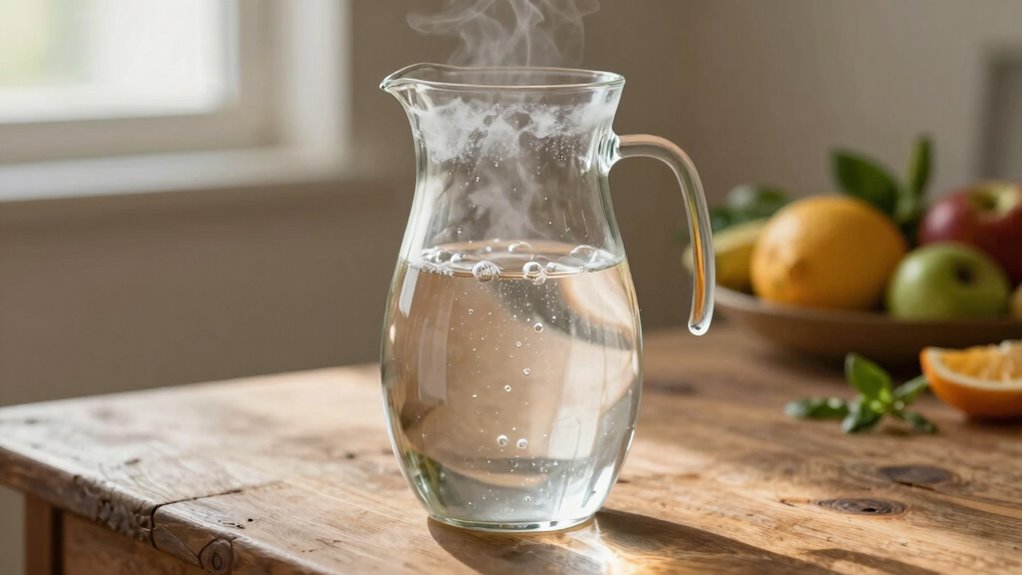

Filtration can change flavor by removing impurities like sulfur, chlorine, or off-flavor chemicals, allowing the true character of the beverage to shine through. It also eliminates microbes that might cause spoilage or alter taste, ensuring a consistent flavor profile. Additionally, filtering out solids and particles creates a smoother texture and enhances mouthfeel. This process balances clarity, aroma, and flavor, providing a more enjoyable experience. If you want to discover how these changes happen, keep exploring the details behind filtration.

Get kitchen staples and gadgets delivered free with Prime
- Fast, free delivery on millions of items
- Prime Video, Amazon Music and more included
- Member-only deals all year
Key Takeaways
- Filtration removes chemical impurities that can cause off-flavors, allowing the true taste of the beverage to emerge.
- It eliminates certain microbes and particles that influence flavor development and stability.
- By controlling chemical components, filtration can enhance or diminish specific flavor notes.
- The process can affect mouthfeel and texture, which in turn impacts perceived flavor complexity.
- Customized filtration techniques balance clarity and flavor preservation, altering overall sensory experience.
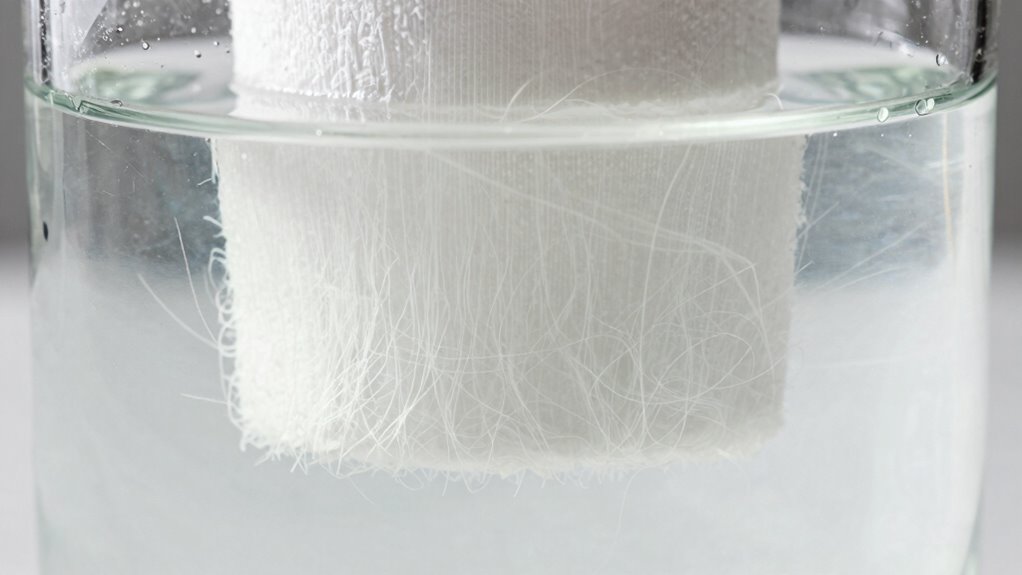
Have you ever wondered how filtration impacts the flavor of your favorite beverages? It’s more than just clarity; filtration plays an essential role in shaping the overall taste and mouthfeel of what you drink. When you process liquids through filters, you’re not only removing unwanted particles but also influencing the chemical composition of the beverage. Chemical removal is a key factor here—filters can eliminate certain compounds that might introduce off-flavors or undesirable aromas. For example, impurities like chlorine or sulfur compounds can considerably alter the taste, giving it a flat or chemical-like quality. When these are filtered out, the true essence of the beverage shines through, making it more lively and true to its natural flavor profile.
Filtration removes chemicals like chlorine and sulfur, enhancing true flavor and freshness of beverages.
Microbial influence is another key aspect that filtration addresses. Many beverages, especially fermented ones like beer, wine, or kombucha, contain beneficial or neutral microbes that contribute to their unique flavors. However, unwanted microbes can spoil the product or introduce off-flavors, creating a sour or funky taste that wasn’t intended. Proper filtration removes these contaminants, preserving the integrity and consistency of the flavor. But it’s a delicate balance—you don’t want to strip away the microbes that give certain drinks their signature complexity. Instead, filtration targets just the right size of particles and microbes, ensuring the beverage remains safe and flavorful. This process often involves a nuanced understanding of microbial sizes and types to maintain the desired microbial control.
Beyond chemical and microbial factors, filtration also affects the texture of your drink. Removing solids and larger particles creates a smoother, more refined mouthfeel. Think about how a well-filtered wine feels silky or how a clear, filtered juice seems more lively. This improved texture enhances the overall drinking experience, making each sip more enjoyable. Sometimes, unfiltered beverages can feel gritty or cloudy, distracting from their taste. Filtration helps achieve a cleaner, more polished product that’s easier to enjoy. Additionally, filtration techniques can be tailored to optimize both flavor preservation and texture refinement. In addition, understanding the different filtration methods allows producers to customize the process to suit specific beverage profiles.
In essence, filtration is a fundamental step that influences both flavor and texture by controlling chemical and microbial elements. It’s not just about aesthetics but about refining the beverage to showcase its best qualities. Whether you’re savoring a craft beer or a freshly pressed juice, understanding how filtration impacts these aspects can deepen your appreciation. It’s a precise process that balances removing undesired components while preserving or enhancing the drink’s core flavor and mouthfeel. Additionally, microbial control ensures that beneficial microbes are retained when desired, contributing to the complexity of certain drinks. So next time you enjoy your favorite beverage, remember that filtration is quietly working behind the scenes to deliver a cleaner, more flavorful experience.
water filtration system for beverages
As an affiliate, we earn on qualifying purchases.
As an affiliate, we earn on qualifying purchases.
Frequently Asked Questions
How Does Filtration Affect Aroma Compounds in Beverages?
Filtration impacts aroma compounds in beverages by removing particles that carry volatile aroma molecules, which can reduce aroma preservation. However, it also allows for flavor enhancement by clarifying the beverage and eliminating unwanted residues that may interfere with aroma perception. By carefully selecting filtration methods, you can balance aroma preservation and flavor enhancement, ensuring a cleaner, more refined beverage experience that highlights the desired aromas and flavors.
Can Filtration Alter the Nutritional Content of Food Products?
Imagine you’re in a medieval kitchen, but today, filtration can alter your food’s nutritional content. While it mainly targets impurities, some nutrient loss can occur, especially with delicate vitamins. However, filtration often enhances flavor by removing bitter or undesirable compounds, leading to better flavor profiles. So, yes, it can affect nutrient retention, but the primary goal is flavor enhancement, making your food taste better without compromising too much nutrition.
What Types of Filters Are Best for Preserving Natural Flavors?
For flavor preservation, you should choose gentle filters like microfiltration or ultrafiltration, which remove impurities without stripping away key flavor compounds. Filter selection is vital—opt for filters that target unwanted particles while maintaining natural flavors. Avoid aggressive filters like activated carbon or strong reverse osmosis, as they can diminish delicate tastes. By selecting the right filter, you guarantee your product retains its authentic flavor profile and natural aroma.
Does Filtration Impact the Shelf Life of Food and Drinks?
Filtration can improve shelf life by enhancing shelf stability and controlling microbial growth, which prevents spoilage. When you filter food and drinks, you remove bacteria, yeast, and mold, reducing the risk of microbial contamination. This process helps extend their freshness and safety over time. By controlling microbes through filtration, you guarantee your products stay fresh longer, maintaining quality and reducing the need for preservatives or additional processing.
Are There Any Health Risks Associated With Certain Filtration Methods?
Think of filtration like a filter for a camera lens—it sharpens what’s important but can also block some details. Certain filtration methods, especially those involving chemicals, can pose health risks if not properly managed. They may remove contaminants effectively, but sometimes they reduce beneficial minerals or introduce residual chemicals. Always choose filtration systems tested for contaminant removal and chemical reduction to guarantee your health stays protected without unintended risks.
Conclusion
By understanding how filtration alters both flavor and texture, you gain control over your culinary creations. You can clarify rich broths, smooth out rough textures, and enhance delicate flavors. You can refine, you can perfect, you can elevate your dishes. Embrace filtration as a powerful tool that transforms ingredients, elevates experiences, and empowers your cooking. Because when you master filtration, you master the art of flavor and texture — shaping every bite to be just right.
NFL season / tailgating Picks
team gear
As an affiliate, we earn on qualifying purchases.