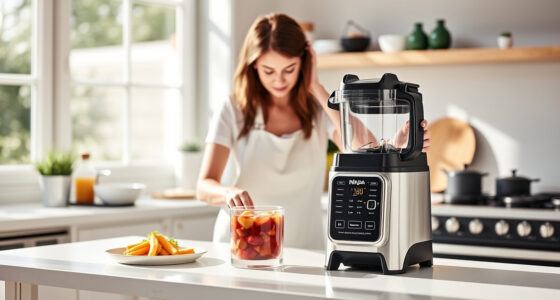

Fresh drinks and satisfying food begin with the same basic idea: choose ingredients that suit your needs, use a preparation method that makes sense, and build flavor deliberately. You do not need a complicated routine or a kitchen full of specialized equipment. A dependable juicer, a few adaptable recipes, and an understanding of sweetness, acidity, texture, and storage can take you a long way.

Get kitchen staples and gadgets delivered free with Prime
- Fast, free delivery on millions of items
- Prime Video, Amazon Music and more included
- Member-only deals all year
This hub is an orientation guide to the world of homemade juice, practical drink choices, juicing equipment, and recipes that fit into everyday life. Whether you are choosing your first machine, comparing manual and commercial juicers, looking for lower-sugar options, or simply trying to make better use of the produce in your kitchen, the sections below will help you find a sensible starting point.
Start With the Kind of Drink You Actually Want
Before buying equipment or collecting recipes, think about what you enjoy drinking. Juices can be light and refreshing, rich and earthy, tart and stimulating, or mild enough to accompany a meal. Your preferences affect which ingredients, tools, and techniques will serve you best.
Fruit-forward juices
Fruit gives juice immediate aroma and sweetness. Apples, oranges, grapes, pears, pineapple, watermelon, and ripe stone fruits can make an approachable base. Because sweetness can become overwhelming, many recipes benefit from lemon, lime, ginger, herbs, or a less-sweet vegetable. A simple formula is to combine one familiar fruit with one crisp or acidic ingredient, then taste before adding anything else.
Vegetable-forward juices
Vegetable juices can include cucumber, celery, carrot, beet, tomato, leafy greens, and fresh herbs. They often taste more balanced when a small amount of fruit or citrus softens bitter, grassy, or earthy notes. Begin with mild vegetables such as cucumber and carrot before experimenting with stronger ingredients such as kale, beet, parsley, or fennel.
Blended drinks and smoothies
Juicing separates much of the pulp from the liquid, while blending keeps the whole edible ingredient in the drink. That difference changes both texture and preparation. Smoothies work well with bananas, berries, yogurt, oats, nut or seed butters, and frozen fruit. Juice is usually lighter and better suited to ingredients that release plenty of liquid. Neither approach is universally better; they simply produce different drinks.
best electric juicer for beginners
As an affiliate, we earn on qualifying purchases.
As an affiliate, we earn on qualifying purchases.
Choosing a Juicer for Your Kitchen
The right juicer is the one you will use, clean, and store without resentment. Consider what you plan to juice, how often you will use the machine, how much counter space is available, and how much preparation and cleanup you accept. The broad categories below offer useful starting points.
Electric juicer machines
Electric machines are convenient when you want to process several ingredients or prepare juice regularly. Designs vary in how they extract liquid, handle pulp, and accommodate produce. Feed-chute size, assembly, cleaning access, noise, storage, and the availability of replacement components may matter as much as raw power.
If you are comparing household options, the guide to the best juicer machines provides a focused place to explore the main buying considerations. Use any shortlist as a starting point, then compare it with your own habits: a capable machine is only practical if it suits the ingredients and quantities you prepare.
Manual presses
Manual juicers offer a straightforward experience and do not require electricity. They can be appealing for citrus, occasional batches, quiet kitchens, travel setups, or anyone who prefers a simple mechanical tool. Operation requires physical effort, and output depends on the press design and the produce being used.
For a closer look at lever and press-style designs, visit the guide to manual hand-press juicers. If sturdy construction is a priority, the comparison of cast iron manual juicers explores another useful equipment category.
Commercial and heavy-duty equipment
A home juicing routine and a beverage business have very different demands. Commercial environments may require repeated operation, predictable throughput, accessible cleaning, durable components, and a workflow that staff can follow consistently. Space, electrical requirements, ingredient preparation, waste handling, and local sanitation rules also belong in the decision.
Prospective juice-bar operators can begin with this overview of commercial juicer machines for high-volume service. Businesses expecting sustained or demanding use should also consult the guide to commercial and heavy-duty juicers. Evaluate the equipment in the context of the complete service process rather than focusing on a single specification.
How to Build a Balanced Juice Recipe
A dependable recipe does not need a long ingredient list. In fact, using three or four carefully chosen components often makes it easier to understand and adjust the result. Build around these flavor roles:
- A base ingredient provides most of the liquid, such as cucumber, celery, apple, orange, or watermelon.
- A character ingredient establishes the main flavor, such as carrot, pineapple, beet, tomato, or leafy greens.
- An acidic ingredient adds brightness, commonly lemon, lime, or another tart fruit.
- An accent adds aroma or gentle heat, such as ginger, mint, basil, parsley, or turmeric.
Start with modest amounts of intense ingredients. Ginger, raw beet, dark greens, and strong herbs can dominate quickly. Taste the juice after extraction, then adjust with more base ingredient or a squeeze of citrus. If a drink tastes dull, acidity may help. If it tastes harsh, a mild fruit or watery vegetable may round it out. If it feels too heavy, dilution with cold water or serving over ice can change the balance.
Exploring Lower-Sugar Drink Choices
“No added sugar,” “sugar-free,” and “low in sugar” do not necessarily mean the same thing. Fruit and vegetable ingredients may naturally contain sugar even when a recipe contains no sweetener. Labels and serving sizes therefore deserve careful attention, especially when managing carbohydrate intake for a health reason.
Readers seeking alternatives to conventionally sweet drinks can explore these sugar-free juice options. The guide can help frame the category, but always check the current ingredient statement and nutrition information for a packaged beverage because formulations may change.
Juice and diabetes
People with diabetes may need to consider the type and amount of carbohydrate in a drink, its serving size, and how it fits into a meal or individual care plan. Juice can deliver carbohydrate in a concentrated, easy-to-consume form, so “natural” should not be treated as a substitute for nutritional information.
The guide to juice options for people with diabetes offers a useful category overview. Personal responses and medical needs vary, however, so individualized advice should come from a qualified clinician or registered dietitian who knows the person’s health history and treatment plan.
Flavor without relying on sweetness
A satisfying drink does not need to taste like dessert. Citrus zest, mint, basil, ginger, cinnamon, cucumber, sparkling water, and chilled herbal tea can add interest without making sweetness the dominant flavor. Tartness, aroma, temperature, and carbonation all influence how flavorful a drink seems.
Coffee Has a Place in the Beverage Kitchen
A well-rounded drinks repertoire can include more than juice. Coffee offers roasted, bitter, nutty, fruity, or chocolate-like flavor profiles that pair naturally with breakfast and desserts. Espresso can also be used in recipes such as chilled coffee drinks, affogato-style desserts, and coffee-flavored sauces or creams.
For those who enjoy the ritual and flavor but prefer to reduce caffeine, this guide to decaf espresso options is a practical next read. Preparation still matters: grind, water, equipment, and serving style can all influence the final cup, regardless of caffeine content.
Turn Drinks Into a Practical Meal Routine
Juice is easiest to sustain when it belongs to a broader food routine rather than becoming an isolated kitchen project. A bright citrus drink can accompany eggs or toast; tomato-based juice can sit beside a savory lunch; and a tart fruit-and-herb combination can refresh a rich dinner. Smoothies can become more substantial when their ingredients are chosen with the rest of the meal in mind.
Use whole ingredients elsewhere
Juicing often leaves peels, trimmings, or pulp. Some of this material must be discarded, particularly anything tough, spoiled, inedible, or unsuitable for the recipe. Usable remnants may sometimes be incorporated into soups, quick breads, muffins, fritters, sauces, or compost. Whether pulp works in another dish depends on its texture, flavor, cleanliness, and the ingredients combined in it.
Planning helps reduce waste. Buy realistic quantities, use delicate greens first, and reserve sturdy produce such as carrots and apples for later in the week. Freeze ripe fruit for blended drinks before it spoils, and use citrus zest in cooking before extracting the juice when appropriate.
Create adaptable food pairings
Instead of searching for a unique meal every time, keep a few flexible foundations available:
- Grain bowls with cooked grains, roasted vegetables, greens, a protein, and an acidic dressing.
- Soups built from aromatics, vegetables, stock, beans, grains, or leftover cooked ingredients.
- Toast, wraps, or flatbreads topped with eggs, vegetables, cheese, beans, or spreads.
- Salads combining crisp vegetables, tender greens, herbs, fruit, nuts, seeds, or cooked grains.
- Yogurt or oatmeal bowls finished with fruit, spices, and a crunchy topping.
These templates make it easier to use ingredients across several meals. Carrots might appear in juice, a grain bowl, and soup; citrus can brighten a drink, dressing, and dessert; herbs can flavor juice before finishing a salad or sauce.
Preparation, Cleaning, and Storage
Wash produce under clean running water and remove spoiled areas before preparation. Follow the juicer manufacturer’s instructions for peeling, pitting, trimming, and cutting ingredients. Hard pits and other unsuitable materials can damage equipment, while pieces that are too large may cause poor feeding or unnecessary strain.
Clean juicing equipment promptly. Pulp becomes harder to remove as it dries, especially around filters, screens, seals, and narrow channels. Disassemble only as directed, separate dishwasher-safe parts from hand-wash components, and let pieces dry before reassembly or storage.
Fresh juice is generally at its best soon after preparation. If storing it, use a clean covered container, refrigerate promptly, and avoid leaving perishable drinks at room temperature for extended periods. Changes in smell, appearance, carbonation, or texture can signal deterioration. When food safety is uncertain, discard the drink.
A Simple Path Forward
Begin with one goal. If you want convenient home juice, compare everyday electric machines. If you mainly press citrus, investigate manual models. If you are planning a beverage business, focus on commercial workflow and service demands. If sweetness is your concern, learn to read labels and build flavor with acidity, herbs, temperature, and texture.
Then choose one simple recipe and make it repeatedly. Adjust a single ingredient at a time, note the proportions you enjoy, and keep cleanup manageable. Skill grows faster through a reliable routine than through constantly changing recipes. With a few sound techniques and well-chosen tools, juicing and everyday cooking can become connected parts of a flexible, flavorful kitchen.
Fall Picks
fall essentials
As an affiliate, we earn on qualifying purchases.