
TL;DR

Get kitchen staples and gadgets delivered free with Prime
- Fast, free delivery on millions of items
- Prime Video, Amazon Music and more included
- Member-only deals all year
UNESCO has officially designated Hainanese Chicken Rice as an intangible cultural heritage. This recognition underscores its cultural importance and may boost its global profile. Details on the nomination process are still emerging.
UNESCO has officially recognized Hainanese Chicken Rice as an intangible cultural heritage, marking a major milestone for the dish’s cultural significance. The recognition was announced on March 2024, highlighting its importance in Singapore, Malaysia, and beyond.
The UNESCO decision was made after a successful nomination process by Singapore and Malaysia, which argued that Hainanese Chicken Rice embodies traditional culinary techniques and cultural identity. The dish, known for its poached chicken served with fragrant rice and chili sauce, is considered a national icon in Singapore and a cultural staple in Malaysia. Officials from UNESCO confirmed the recognition in a statement, emphasizing the dish’s role in fostering community identity and cultural continuity.
This recognition is expected to elevate the dish’s profile internationally, potentially increasing tourism and culinary interest. Local chefs and food advocates have welcomed the news, seeing it as a validation of their cultural heritage. The process involved detailed documentation of preparation methods, cultural practices, and community significance, which was submitted by the respective countries’ cultural agencies.
Implications of UNESCO Recognition for Hainanese Chicken Rice
The UNESCO designation elevates Hainanese Chicken Rice from a beloved local dish to a recognized cultural treasure, which could lead to increased international recognition and tourism. It affirms the dish’s role in cultural identity and preserves traditional cooking techniques. This acknowledgment may also inspire other culinary traditions to seek similar recognition, fostering greater appreciation for intangible cultural heritage globally. For Singapore and Malaysia, it reinforces national pride and could boost local culinary tourism, benefiting local businesses and cultural preservation efforts.
Hainanese Chicken Rice cooking kit
As an affiliate, we earn on qualifying purchases.
As an affiliate, we earn on qualifying purchases.
Historical and Cultural Roots of Hainanese Chicken Rice
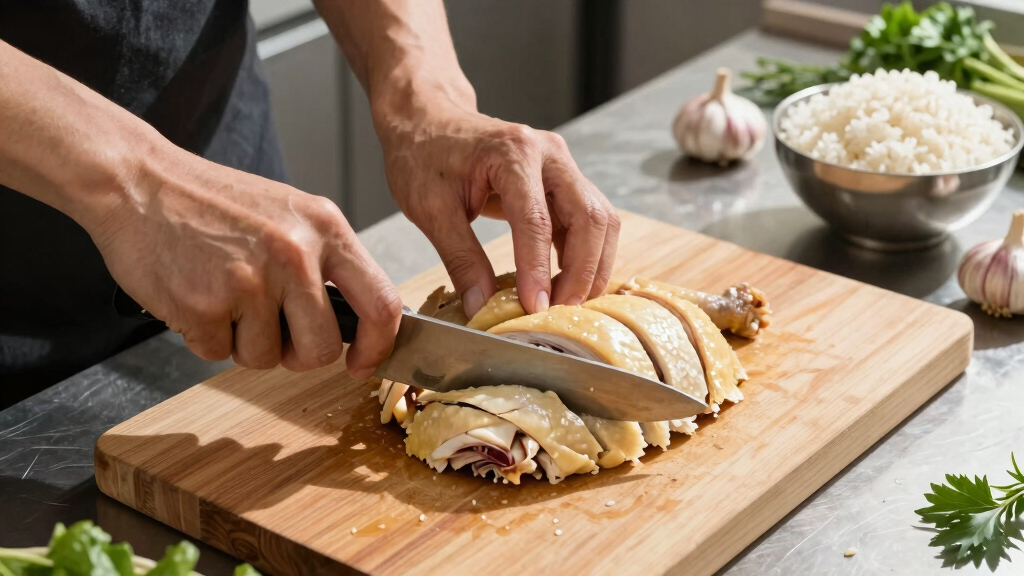
Hainanese Chicken Rice originated from Hainan Island in China before becoming a staple in Singapore, Malaysia, and other parts of Southeast Asia. Its popularity grew during the 20th century, especially with Chinese immigrants who adapted the dish to local ingredients and tastes. In Singapore, it became a national dish, symbolizing multicultural culinary heritage. The dish’s preparation involves poaching chicken at precise temperatures, steaming fragrant rice cooked in chicken stock, and serving with chili and ginger sauce. For easy meal ideas, see our frozen chicken nuggets guide. Over decades, it has become a culinary icon, with many variations and dedicated eateries across the region. The recognition by UNESCO follows years of advocacy by cultural groups and culinary experts emphasizing its cultural importance.
“Being recognized by UNESCO elevates our culinary heritage on the world stage and encourages us to continue preserving our unique cooking techniques.”
— Ms. Aisha Rahman, Malaysian food ambassador
Details of the UNESCO Nomination and Future Impact
While the recognition has been announced, specific details about how this will influence tourism, cultural programs, or international recognition campaigns are still emerging. It is not yet clear how UNESCO will support or promote the dish’s cultural heritage moving forward, or how local authorities will leverage this status for tourism and preservation initiatives.
Next Steps for Promoting Hainanese Chicken Rice Post-Recognition
Authorities in Singapore and Malaysia are expected to develop initiatives to promote Hainanese Chicken Rice internationally, including cultural festivals, culinary tours, and educational programs. Learn more about easy family meal options. The recognition may also lead to inclusion in UNESCO-led cultural events or funding for preservation projects. Further official statements are anticipated in the coming months outlining specific plans to harness this recognition for cultural and economic benefits.
Key Questions
What does UNESCO recognition mean for Hainanese Chicken Rice?
The recognition affirms its cultural importance, potentially increasing its international profile, tourism, and efforts to preserve traditional preparation methods.
Will this recognition change how the dish is prepared or served?
There are no immediate changes to recipes or serving styles. However, it may encourage efforts to standardize and preserve traditional techniques.
How did Hainanese Chicken Rice become a cultural icon?
It evolved from Chinese immigrant communities adapting traditional Hainanese recipes to local ingredients, gaining popularity in Singapore and Malaysia over the 20th century.
Could this recognition lead to new culinary tourism initiatives?
Yes, authorities may develop festivals, tours, and educational programs to promote the dish and attract visitors.
There are no publicly reported disputes; the process involved collaborative efforts by Singapore and Malaysia to submit the nomination.
Source: rss
Halloween Picks
halloween
As an affiliate, we earn on qualifying purchases.