Cranberry juice is packed with essential micronutrients like vitamin C, which boosts your immune system and helps skin health, along with smaller amounts of vitamin E and K that support antioxidant defenses and blood clotting. It also contains B vitamins that contribute to your overall energy and health. Plus, its rich polyphenols and anthocyanins offer powerful antioxidant benefits, helping to reduce inflammation and protect your cells. Keep exploring to uncover how these nutrients work together for your well-being.
Key Takeaways
- Cranberry juice is a rich source of vitamin C, supporting immune health and skin repair.
- It contains small amounts of vitamin E, acting as an antioxidant to protect cells from damage.
- Vitamin K in cranberry juice aids in blood clotting and strengthens bone health.
- B vitamins present support energy metabolism and overall cellular function.
- The micronutrients contribute to immune function, tissue repair, and reducing oxidative stress.
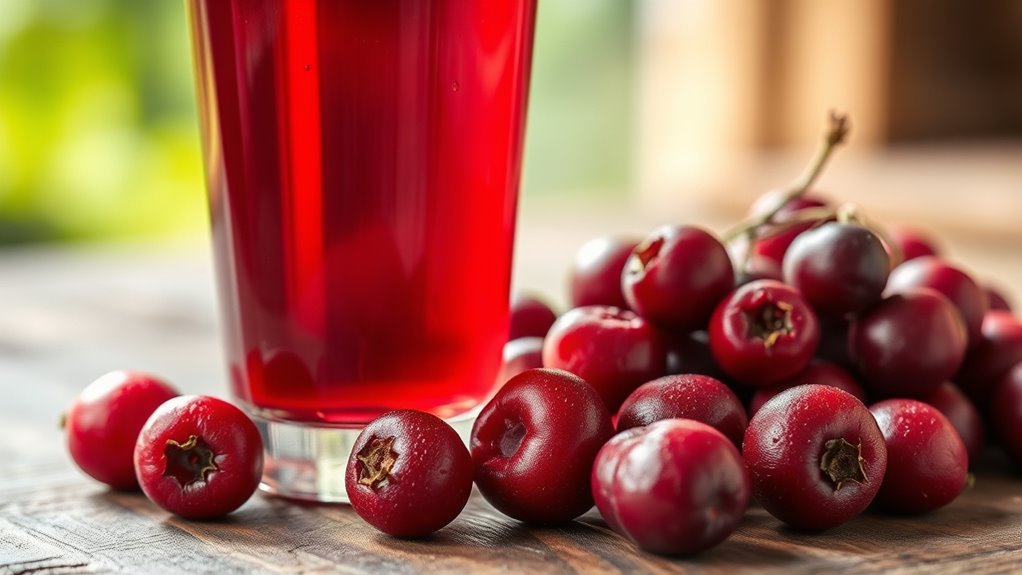
Have you ever wondered what makes cranberry juice a healthful drink? It’s not just its refreshing taste but also the powerful micronutrients packed inside. Cranberry juice is rich in essential vitamins and features notable antioxidant properties, both of which contribute to its reputation as a health-boosting beverage. These micronutrients work together to support your overall well-being, making cranberry juice a wise addition to your diet.
The vitamin content in cranberry juice is impressive. It provides a good source of vitamin C, which is essential for your immune system, skin health, and tissue repair. When you drink cranberry juice regularly, you’re helping your body fight off illnesses and stay resilient against infections. Besides vitamin C, cranberry juice supplies smaller amounts of other vitamins like vitamin E, vitamin K, and some B vitamins. Vitamin E acts as an antioxidant, protecting your cells from damage caused by free radicals, while vitamin K plays a critical role in blood clotting and bone health. Although these vitamins are present in modest amounts, they still contribute markedly to your daily micronutrient intake.
But it’s not just the vitamins that make cranberry juice beneficial. Its antioxidant properties are especially remarkable. These antioxidants help neutralize free radicals—unstable molecules that can damage your cells and accelerate aging or disease development. Cranberries contain a variety of antioxidants, including flavonoids, polyphenols, and anthocyanins, which give the juice its deep red color. When you consume cranberry juice, you’re ingesting these compounds that combat oxidative stress, potentially reducing inflammation and lowering the risk of chronic illnesses like heart disease. The antioxidants in cranberry juice also support vascular health by improving blood vessel function and reducing plaque buildup, which is critical for maintaining cardiovascular health.
Moreover, the combination of antioxidants and vitamins in cranberry juice can enhance your immune response, helping your body ward off colds and other infections more effectively. This synergy makes cranberry juice a valuable part of a balanced diet, especially during cold and flu seasons. It’s important to observe, though, that not all cranberry juices are created equal; opt for pure, unsweetened versions to maximize these health benefits without added sugars that can diminish the nutritional value. Additionally, understanding the wicks used in candle making can inspire creative ways to craft personalized gifts or home decor, demonstrating the diverse applications of simple materials.
Frequently Asked Questions
Are Cranberry Juice Micronutrients Affected by Processing Methods?
Processing effects can impact the micronutrients in cranberry juice, but nutrient stability varies depending on the method used. Pasteurization, for instance, might reduce some vitamins, while freezing preserves most nutrients. You should be aware that high heat or prolonged storage can diminish micronutrient levels. To get the most benefits, opt for minimally processed cranberry juice, which helps maintain nutrient stability and preserves the micronutrients you’re after.
How Does Cranberry Juice Micronutrient Content Vary by Brand?
Like a symphony with varying instruments, cranberry juice brands differ in micronutrient content. You’ll find that brand variability impacts nutrient consistency, as some brands fortify or process their juices differently. This means your favorite brand might pack more vitamin C or antioxidants than another. To guarantee you get the nutrients you seek, check labels carefully and choose brands committed to maintaining nutrient integrity through minimal processing and transparent sourcing.
Can Micronutrients in Cranberry Juice Improve Specific Health Conditions?
Yes, the micronutrients in cranberry juice can improve specific health conditions. They enhance nutrient absorption, supporting your immune system and overall health. The antioxidants and vitamins in cranberry juice may help reduce urinary tract infections, improve heart health, and protect against oxidative stress. Consuming cranberry juice regularly could offer these health benefits, but it is crucial to choose varieties with minimal added sugars to maximize the positive impact on your well-being.
What Is the Bioavailability of Cranberry Micronutrients in the Body?
You’ll find that the bioavailability of cranberry micronutrients depends on absorption efficiency and nutrient stability. Your body absorbs some nutrients more readily than others, with antioxidants like polyphenols being absorbed efficiently, while others may degrade before absorption. Factors like processing and storage can affect nutrient stability, reducing bioavailability. To maximize benefits, choose fresh or minimally processed cranberry juice, as it preserves nutrient integrity and enhances absorption efficiency.
Are There Differences in Micronutrient Levels Between Organic and Conventional Cranberry Juices?
Think of organic farming as a gentle gardener, nurturing each berry with care. You’ll find that organic cranberry juices often have more consistent micronutrient levels, thanks to less chemical interference. Conventional juices, like a wild garden, show nutrient variability due to differing farming practices. So, choosing organic can mean a more reliable source of those key micronutrients, helping you enjoy the benefits of nature’s balance in every sip.
Conclusion
So, next time you sip that cranberry juice, remember it’s packed with tiny nutrients that claim to do big things—like keep your urinary tract happy or boost your immunity. Sure, it’s just juice, but hey, if you’re going to indulge, at least pretend you’re giving your body a secret weapon. Cheers to those microscopic micronutrients working tirelessly to keep you slightly healthier—because who needs a balanced diet when you’ve got cranberry juice?

Cindy thoroughly researches juicing trends, techniques, and recipes to provide readers with practical advice and inspiration. Her writing style is accessible, engaging, and designed to make complex concepts easy to understand. Cindy’s dedication to promoting the advantages of juicing shines through her work, empowering readers to make positive changes in their lives through the simple act of juicing.