To avoid a flat, “dead” taste in your mineralized RO water, you should add natural minerals or mineral drops designed for hydration. These help restore essential minerals like calcium and magnesium, balancing the pH and making the water taste lively and fresh. Using mineral stones or mineral-rich salts can also enhance flavor naturally. Proper mineralization improves taste and feels more revitalizing. Keep exploring to discover more ways to enhance your water’s flavor and health benefits.
Key Takeaways
- Add mineral drops, powders, or natural mineral stones to restore essential minerals and improve flavor.
- Use mineral-rich salts or natural mineral stones that naturally leach beneficial minerals into water.
- Balance the pH by mineralization to prevent sour or metallic tastes and achieve a more natural flavor.
- Regularly mineralize RO water to mimic the lively taste and health benefits of natural spring water.
- Avoid relying solely on pure RO water; always enhance with minerals for a fresher, more invigorating drinking experience.
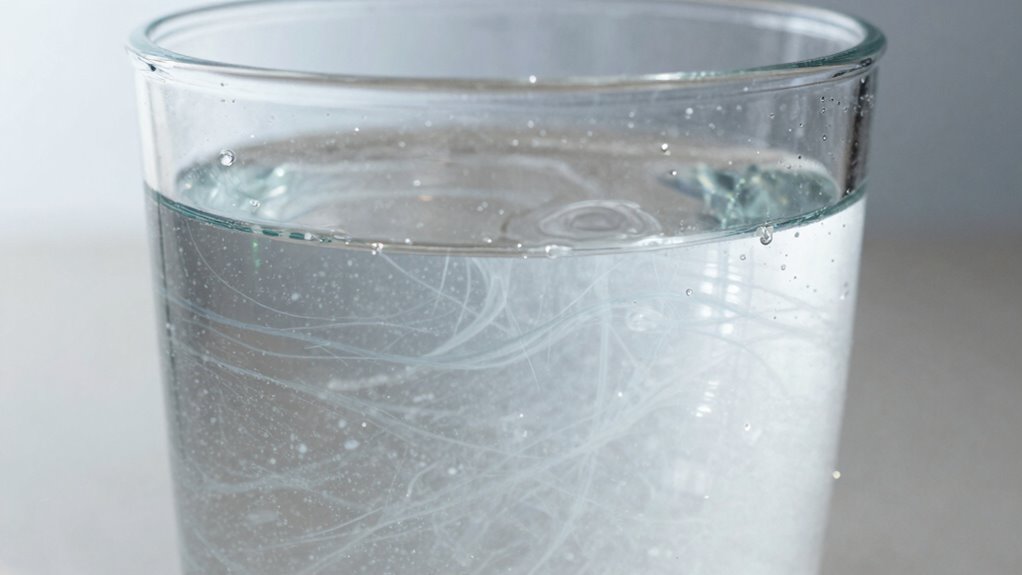
Reverse osmosis (RO) water is known for its purity, but it often lacks essential minerals your body needs. While many people turn to bottled water for convenience, they might not realize that pure RO water can taste flat or “dead” because it’s missing those natural minerals that give water its lively flavor. Without minerals, the water’s pH can also become more acidic or unbalanced, which may affect not just taste but your overall hydration. To avoid this, mineralizing your RO water becomes crucial, helping restore its natural flavor and balance.
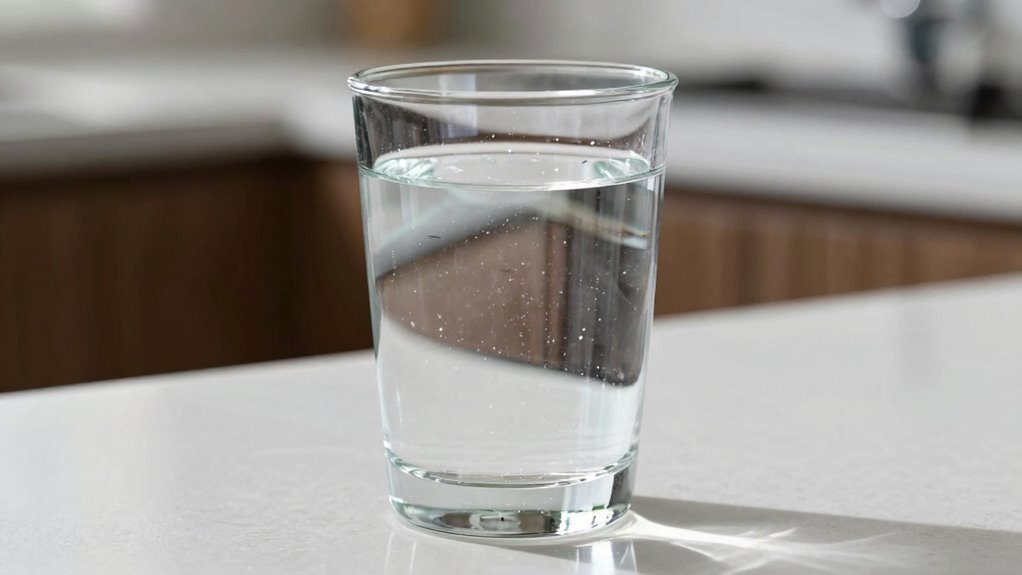
Pure RO water lacks minerals, making it taste flat and unbalanced without proper mineralization.
When you mineralize RO water, you’re fundamentally adding back the minerals that give water its brightness and appeal. Common minerals like calcium, magnesium, and potassium not only improve taste but also contribute to your health. These minerals are what make bottled water taste invigorating and crisp, unlike the dull, flat sensation that pure RO water can produce. By mineralizing your water, you also help stabilize its pH, keeping it closer to neutral or slightly alkaline, which is generally better for your digestion and overall well-being.
There are simple ways to mineralize your RO water effectively. You can add mineral drops or powders specifically designed for this purpose. These products are formulated to replenish the minerals lost during the reverse osmosis process, and they’re easy to use—just a few drops or a pinch in your glass or pitcher can make a significant difference. Another option is to use mineral-rich salts or mineral stones that naturally leach minerals into your water. These methods help restore the water’s natural pH, making it less acidic and more palatable.
You should also pay attention to the water pH when mineralizing. Pure RO water tends to have a low pH, sometimes below 7, which can taste sour or metallic. By adding minerals, you balance the pH, making your water taste better and be more aligned with what your body prefers. Properly mineralized water feels more lively, revitalizing, and akin to natural spring water, which can make drinking it more enjoyable and satisfying.
Frequently Asked Questions
How Do Mineral Levels Affect Water Taste?
You’ll notice that mineral levels directly impact water taste by affecting the tasting mineral concentration. When minerals are balanced, they enhance the water flavor, making it more invigorating and lively. Too few minerals can make water taste flat or “dead,” while too many can overpower the flavor. Adjusting mineral levels carefully ensures a well-rounded taste, providing ideal water flavor enhancement and a more enjoyable drinking experience.
Can Mineralizing Water Improve Health Benefits?
Mineralizing your water is like adding a natural boost to your health, just as sunlight fuels plants. It can improve your health benefits by balancing water pH and reducing algae growth that thrives in unbalanced water. Proper minerals support digestion and mineral absorption, making your water more nutritious. Keep minerals in check to avoid flat, dead tastes and maximize health benefits, ensuring your hydration is both tasty and beneficial.
Is There an Ideal Mineral Ratio for Flavor?
Yes, there’s an ideal mineral ratio for flavor enhancement in your water. You want a balanced mix of minerals like calcium, magnesium, and potassium, which work together to improve taste without overpowering. Aim for a mineral balance that enhances natural flavor and avoids a flat or “dead” taste. Adjust the mineral levels gradually, tasting as you go, to find the perfect ratio that makes your water both revitalizing and flavorful.
How Often Should Mineral Levels Be Tested?
You should test your mineral levels weekly to guarantee ideal water filtration and mineral absorption. Some might think it’s unnecessary, but consistent testing prevents the water from becoming flat or “dead” tasting. By regularly monitoring, you catch any drops in mineral content early, maintaining the right balance. This proactive approach guarantees your mineralized RO water stays flavorful, fresh, and healthful, so you enjoy the best taste every time.
Can Mineralizing Affect the pH Balance?
Yes, mineralizing can affect the pH balance of your water. When you add minerals, it influences pH stability by increasing mineral alkalinity, which helps maintain a consistent pH level. Properly mineralized water supports a balanced pH, avoiding flat or “dead” tastes. To keep this in check, make sure you’re adding the right minerals in correct amounts, so your water stays both flavorful and pH stable.
Conclusion
As you mineralize your RO water, remember that the right balance can turn simple hydration into a nourishing experience. Sometimes, it’s funny how a pinch of minerals can make all the difference, almost like life’s little surprises. Stay attentive, and you might find that what starts as a routine becomes a mindful ritual. After all, in the smallest details, we often discover the most meaningful moments—just like adding minerals to your water.