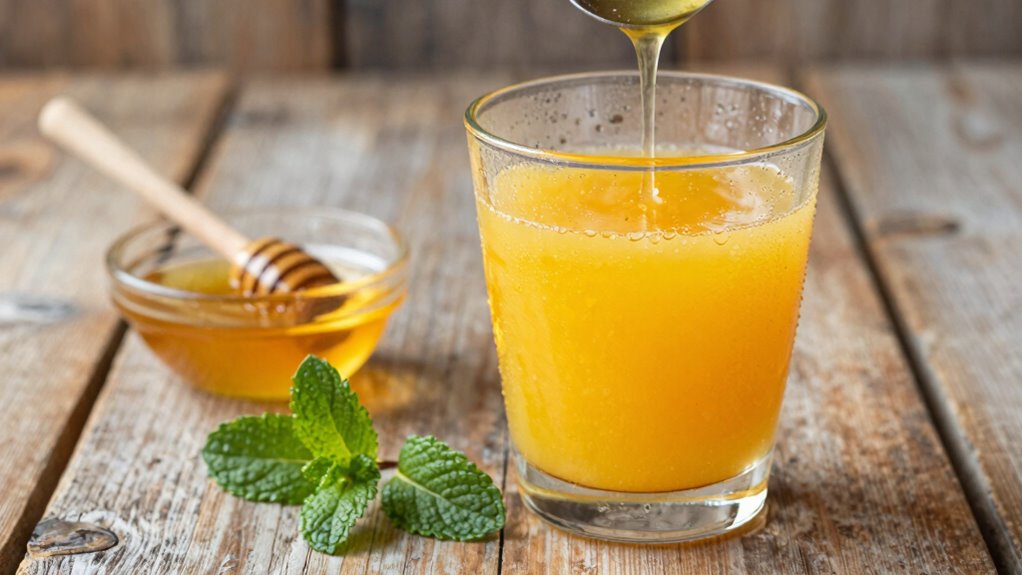

If your juice turns too sour, act quickly by diluting it with water or sparkling water to cut the acidity. You can also add a touch of honey, sugar, or a splash of naturally sweet juice like apple or grape to balance the flavor. Incorporate herbs like mint or fresh fruit slices for extra flavor and aroma. Proper storage in airtight containers and quick adjustments can make your juice taste better again—learn more tips for perfect results below.

Get kitchen staples and gadgets delivered free with Prime
- Fast, free delivery on millions of items
- Prime Video, Amazon Music and more included
- Member-only deals all year
Key Takeaways
- Add a small amount of honey, sugar, or agave syrup to balance the sourness.
- Dilute the juice with water or sparkling water to reduce acidity.
- Mix in naturally sweet juices like apple or grape to mask sour flavors.
- Incorporate herbs or fresh fruit slices to enhance flavor and aroma.
- Adjust gradually and taste frequently to achieve a balanced, palatable flavor.
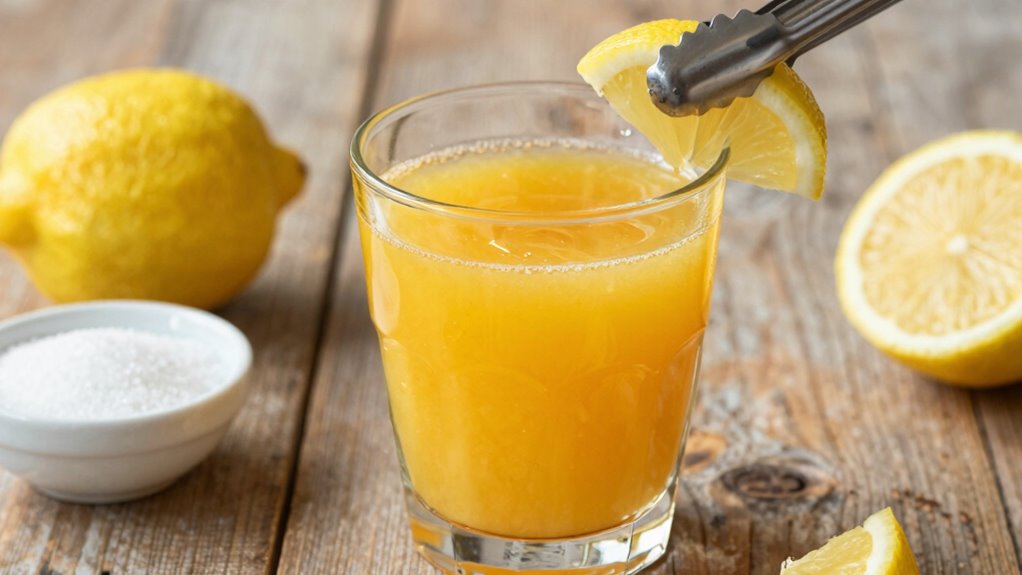
When your favorite juice turns too sour, it can be frustrating, but there are simple ways to rescue it and restore its flavor. The first step is to identify why the juice soured. Usually, this happens when the juice is exposed to air or light for too long, or if it’s stored at inconsistent temperatures. To prevent this in the future, follow proper storage tips: keep your juice refrigerated in an airtight container, and store it away from direct sunlight and heat sources. This not only slows down spoilage but also maintains the freshness and flavor for longer. Proper storage practices are essential for preserving the quality of juice and preventing spoilage caused by bacteria or oxidation.
Proper storage in a sealed, refrigerated container keeps juice fresh and prevents souring.
Once you notice your juice has turned sour, don’t rush to discard it. Instead, you can use flavor enhancement techniques to bring back its original taste. Adding a small amount of sweetener, such as honey, sugar, or agave syrup, can counteract the sourness. Start with a teaspoon, mix well, and taste before adding more. If you prefer a natural approach, try blending in a splash of fruit juice that’s naturally sweeter, like apple or grape juice. This helps balance the acidity without overpowering the original flavor. Additionally, understanding oxidation can help you better manage how exposure to air affects your juice’s freshness.
Another effective way to rescue sour juice is to incorporate a pinch of salt or a few drops of lemon or lime juice. Surprisingly, a tiny amount of salt can cut through excess acidity and enhance the overall flavor profile. Conversely, a little citrus can add brightness and mask the sour taste, especially if you’re making a smoothie or a cocktail. Be careful with the amount—start small and adjust gradually to avoid altering the flavor too much. Knowing how to adjust acidity can help you better manage the flavor of your beverages.
If the juice is only slightly sour, you might consider diluting it with water or sparkling water. This reduces the concentration of acidity and makes the taste more palatable. For a more flavorful twist, add herbs like mint or basil, or even a slice of fresh fruit. These additions not only improve flavor enhancement but also give your juice a fresh, appealing aroma. Additionally, understanding proper storage can help you prevent future spoilage and maintain the quality of your juice for longer periods.
In the end, the key is to act quickly once you notice the sourness. With proper storage tips in mind, you can extend the life of your juice and keep it tasting fresh. When it does turn sour, a few simple adjustments can transform it back into a delicious, refreshing drink. Remember, small tweaks often make the biggest difference, so experiment until you find the perfect balance for your palate.
reusable airtight juice storage containers
As an affiliate, we earn on qualifying purchases.
As an affiliate, we earn on qualifying purchases.
Frequently Asked Questions
Can Adding Sugar Completely Fix Overly Sour Juice?
Adding sugar can help balance the overly sour flavor, but it may not completely fix the issue. Sugar acts as a flavor balancer, reducing the sharpness, but you might need to contemplate ingredient substitution or additional tweaks. Try gradually adding sugar while tasting to avoid over-sweetening. Sometimes, blending in a little honey or another sweetener can enhance flavor balancing, ensuring your juice tastes just right without overpowering the original flavor.
Is It Safe to Add Artificial Sweeteners to Rescue the Juice?
It’s generally safe to add artificial sweeteners to rescue your juice, but consider health considerations first. Artificial sweeteners are approved by regulatory agencies, yet some people prefer to avoid them due to potential sensitivities or health concerns. Use them sparingly, and read labels carefully. Remember, natural sugar might be a better choice if you’re worried about artificial sweetener safety, especially for children or those with specific health conditions.
How Long Should I Let the Juice Sit After Adjusting the Flavor?
After adjusting the flavor, you should let the juice sit for at least 15 to 30 minutes. This allows the flavor balance to meld and develop fully. During this storage duration, keep the juice refrigerated to preserve freshness and prevent spoilage. Tasting again after this period helps guarantee the flavor is just right. If needed, make further adjustments, but avoid letting it sit too long to maintain ideal quality.
Can Freezing Help Reduce the Sourness of Juice?
Freezing can help, but it’s not a magic bullet for reducing sourness. It preserves your juice and can slightly mellow the flavors, but it doesn’t directly balance the flavor. To fix the sour taste, focus on flavor balance by adding sweeteners or neutralizing agents before freezing. Using preservation techniques carefully guarantees your juice stays tasty longer, and freezing preserves it without losing too much of the original flavor.
Are There Natural Ingredients That Can Neutralize Sour Taste?
Yes, you can use natural ingredients for fruit balancing and flavor enhancement to neutralize sour taste. Adding a small amount of honey, maple syrup, or agave nectar can smooth out the acidity. Ripe bananas or a splash of coconut milk also work well, providing natural sweetness and creaminess. These options help balance the flavors, making your juice more palatable without overpowering its natural fruit essence.
Conclusion
So, next time your juice turns too sour, remember these simple tricks—add sweetness, dilute the tang, or incorporate fresh fruit. With each step, you’re balancing flavors, restoring harmony, and transforming chaos into calm. Your patience becomes your palette, your creativity your brush, and your effort your masterpiece. When you rescue your juice, you’re not just fixing a drink; you’re turning a mistake into a revitalizing masterpiece, a tribute to your resourcefulness and taste.
NFL season / tailgating Picks
team gear
As an affiliate, we earn on qualifying purchases.