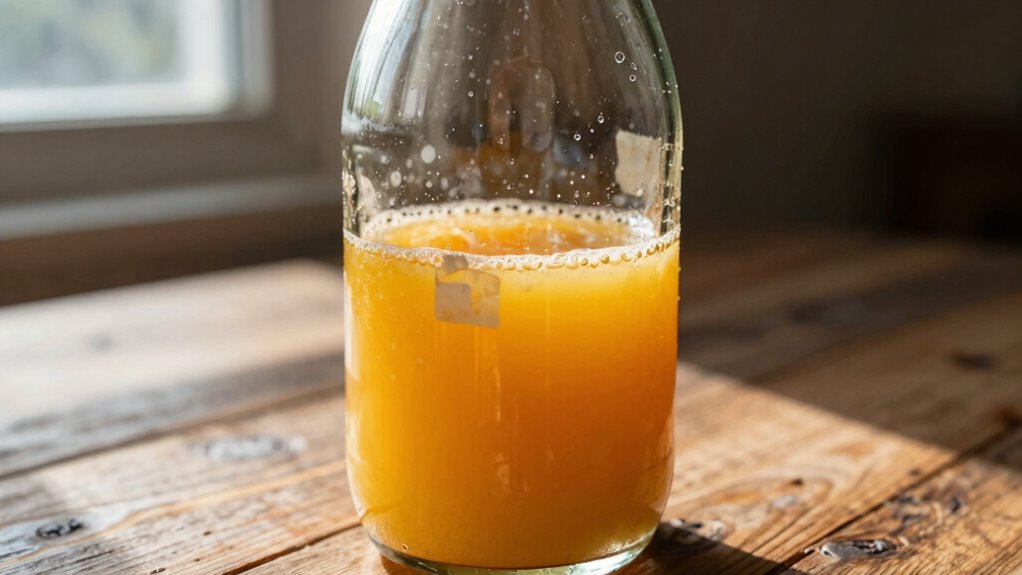

When you reuse bottles, residual juice, oils, or cleaning agents can linger and interact with new juice, causing off-flavors. Porous materials may absorb odors, making it harder to keep the aroma fresh. Improper cleaning or storage conditions can also lead to scent changes over time. To preserve the natural aroma, you need to clean thoroughly, choose non-porous bottles, and store them properly. If you want to learn how to keep your juice tasting great, keep exploring these tips.

Get kitchen staples and gadgets delivered free with Prime
- Fast, free delivery on millions of items
- Prime Video, Amazon Music and more included
- Member-only deals all year
Key Takeaways
- Residual cleaning agents or residues can react with new juice, causing off-flavors.
- Porous bottle materials may absorb odors, leading to persistent aroma changes.
- Inadequate rinsing leaves lingering smells that alter the juice’s natural aroma.
- Storage conditions, like temperature and sealing, influence aroma retention or contamination.
- Reusing bottles without proper cleaning or material consideration can promote odor absorption and flavor alteration.
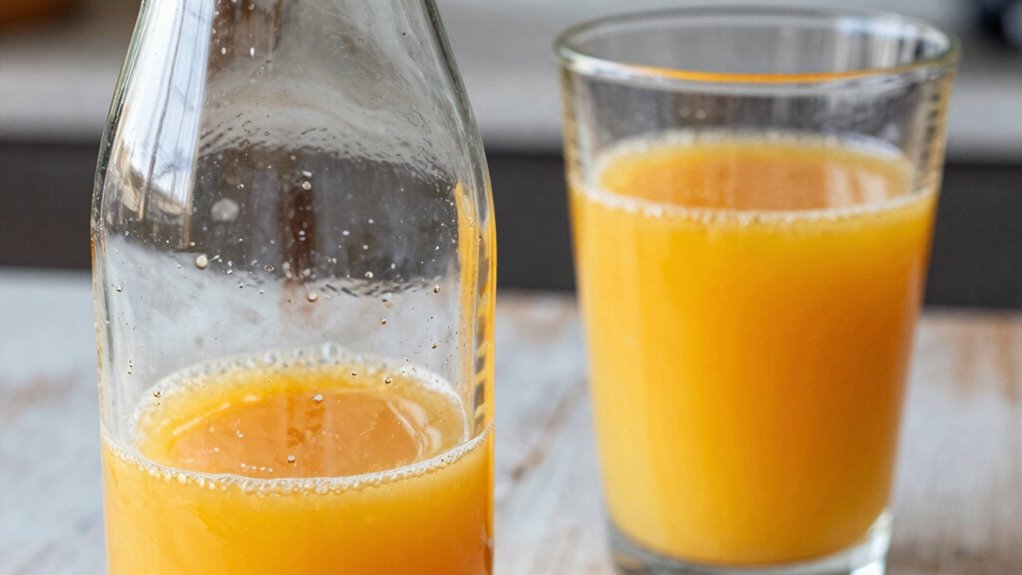
Cleaning methods also impact aroma retention. If you don’t wash your bottles thoroughly, residual juice, oils, or cleaning agents can linger and interact with new juice, resulting in off-flavors or strange odors. Using hot water and a mild detergent, followed by a thorough rinse, can help eliminate lingering smells. For plastic bottles, sometimes a mixture of baking soda and water works well to neutralize odors. Avoid using harsh chemicals or abrasive scrubbers that might damage the bottle material, as this can create tiny pores where odors can hide and become more difficult to remove. Proper cleaning is vital to prevent odor absorption, especially in porous materials. Additionally, understanding the porosity of different bottle materials can help you choose the best option for preserving your juice’s aroma. Being aware of the effect of material porosity can guide you in selecting the best containers for your needs.
In essence, the combination of bottle material and storage conditions directly influences why reused bottles sometimes change the aroma of your juice. While reusing bottles is environmentally friendly and economical, paying attention to the type of bottle you use and how you store it makes a significant difference. Proper cleaning, keeping bottles sealed and stored in suitable conditions, and choosing the right material can help you maintain the fresh, natural aroma of your juice, ensuring every sip is as enjoyable as the first. Recognizing the effect of material porosity can guide you in selecting the best containers for your needs.
stainless steel reusable water bottles
As an affiliate, we earn on qualifying purchases.
As an affiliate, we earn on qualifying purchases.
Frequently Asked Questions
Can Cleaning Methods Fully Remove Previous Bottle Residues?
Cleaning methods can’t fully remove all residue buildup from reused bottles. Bottle sterilization helps eliminate most bacteria and odors, but stubborn residues can linger, especially if not cleaned thoroughly. To guarantee better results, you should use hot water, strong detergents, and consider soaking or scrubbing. Proper sterilization minimizes the chance of residual flavors affecting your juice, but some residues may still remain, influencing aroma and taste over time.
Do Different Juice Types React Differently in Reused Bottles?
Yes, different juice types react differently in reused bottles because of flavor contamination and bottle material. Citrus juices, for example, tend to leave residues that can affect subsequent flavors, especially in plastic bottles. The material also matters: glass is less likely to retain odors than plastic, reducing flavor contamination. So, you might notice more flavor changes with certain juices depending on the bottle’s material and how well it’s cleaned.
How Long Can a Bottle Be Reused Without Affecting Aroma?
You can typically reuse a bottle for up to a week without affecting aroma if you clean it thoroughly. The bottle material and aroma absorption influence this timeframe; glass bottles generally hold up better than plastic, which can absorb odors faster. To prevent flavor changes, rinse the bottle immediately after use, dry it well, and avoid storing it for extended periods. Regular cleaning helps maintain fresh aroma and flavor.
Are There Specific Materials That Prevent Aroma Transfer?
Certain materials, like glass and PET plastic, prevent aroma transfer due to their low permeability, effectively retaining juice aroma. Glass is non-porous, offering excellent aroma retention, while high-quality PET bottles are specially designed to minimize material permeability. Avoid bottles made from porous or low-quality plastics, as they can absorb and transfer odors, altering the juice’s aroma over time. Choosing the right material helps preserve fresh, authentic flavors.
Does Storage Temperature Influence Aroma Changes in Reused Bottles?
Yes, storage temperature profoundly influences aroma changes in reused bottles. Higher temperatures can accelerate chemical reactions, causing aroma loss or undesirable shifts, while cooler temperatures help preserve the original aroma. Temperature effects impact aroma preservation by slowing down spoilage processes and maintaining freshness. To keep your juice tasting its best, store it at consistent, cool temperatures and avoid temperature fluctuations that can compromise aroma quality.
Conclusion
Reused bottles can sometimes alter your juice’s aroma like a chameleon changing colors—your drink surprises you with new scents. By rinsing thoroughly and avoiding bottles with lingering odors, you can keep your juice fresh and flavorful. Think of your bottles as tiny flavor guardians—tending to them guarantees your juice stays true to its original scent. With a little care, you’ll enjoy crisp, vibrant juice every time, just as you expect.
NFL season / tailgating Picks
team gear
As an affiliate, we earn on qualifying purchases.