
TL;DR

Get kitchen staples and gadgets delivered free with Prime
- Fast, free delivery on millions of items
- Prime Video, Amazon Music and more included
- Member-only deals all year
Spaghetti aglio e olio, a classic Italian pasta dish, is seeing increased global interest. This rise is driven by social media trends and a renewed focus on simple, authentic recipes. The development highlights changing consumer preferences for quick, flavorful meals.
Spaghetti aglio e olio, a traditional Italian pasta dish known for its simplicity and bold flavors, is experiencing a notable rise in popularity across the globe. This trend is driven by social media platforms and a renewed interest in authentic, quick-to-prepare meals, according to culinary experts and food industry reports. The surge reflects changing consumer preferences toward minimalist, flavorful dishes that require few ingredients.
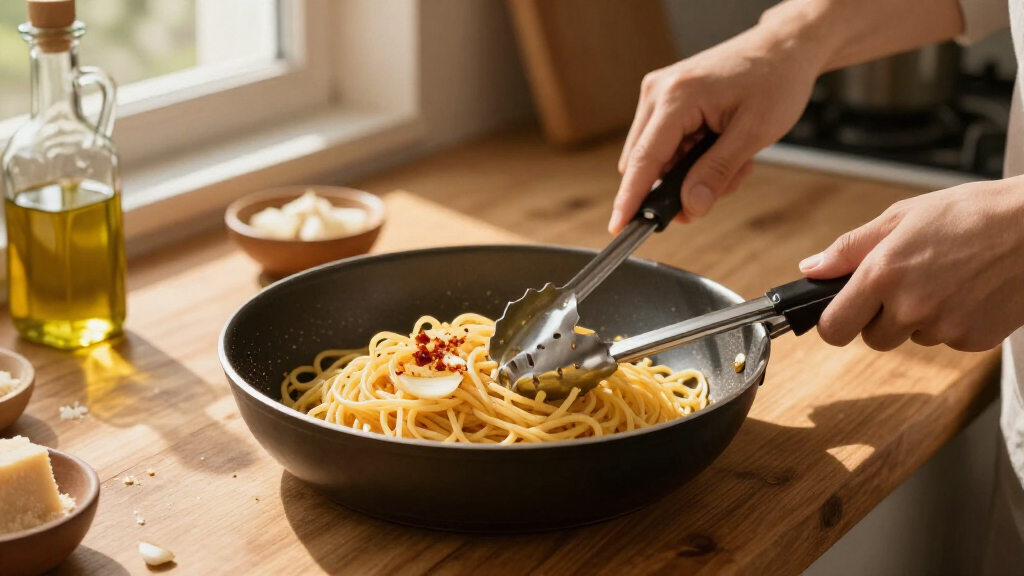
Recent data from food trends analysts indicate that spaghetti aglio e olio has become increasingly common on menus from high-end restaurants to casual eateries worldwide. Social media influencers and food bloggers have played a significant role in promoting the dish, often sharing recipes and photos that emphasize its ease and flavor. The dish traditionally contains spaghetti, garlic, olive oil, red pepper flakes, and parsley, with variations adding ingredients like lemon or Parmesan.
According to chef and food critic Maria Rossi, ‘The simplicity of spaghetti aglio e olio makes it accessible for home cooks and appealing for restaurants seeking authentic, quick options.’ Food industry sources report a 30% increase in searches for the recipe on popular culinary websites over the past year. This trend coincides with a broader movement toward traditional and minimalist cuisine, especially among younger consumers.
Why the Growing Popularity of Spaghetti Aglio e Olio Matters
The rising popularity of spaghetti aglio e olio underscores a shift in consumer preferences toward simple, authentic, and quick-to-make dishes. For restaurants, this trend offers an opportunity to attract customers seeking traditional Italian flavors without complex preparations. For home cooks, it provides an accessible way to enjoy a flavorful meal with minimal ingredients and effort. The trend also highlights the influence of social media in shaping food choices and culinary trends globally.
stainless steel spaghetti strainer
As an affiliate, we earn on qualifying purchases.
As an affiliate, we earn on qualifying purchases.
Historical and Cultural Roots of Spaghetti Aglio e Olio
Originating from Naples, Italy, spaghetti aglio e olio has long been regarded as a traditional peasant dish that uses pantry staples to create a satisfying meal. Its roots date back to at least the early 20th century, with its popularity expanding across Italy and eventually worldwide. The dish’s emphasis on garlic and olive oil reflects the Mediterranean diet’s focus on simple, healthy ingredients. In recent years, the dish has gained renewed interest through social media and culinary revival movements emphasizing authentic Italian cuisine.
“The simplicity of spaghetti aglio e olio makes it accessible for home cooks and appealing for restaurants seeking authentic, quick options.”
— Chef Maria Rossi
Unconfirmed Aspects of the Spaghetti Aglio e Olio Trend
While data indicates increased interest, it is not yet clear whether this surge will sustain long-term or if it is primarily driven by temporary social media trends. The actual impact on restaurant menus and home cooking habits varies across regions, and some experts question whether the dish’s popularity will lead to broader culinary innovations or remain a niche trend.
Expected Developments in the Popularity of Spaghetti Aglio e Olio
Industry analysts expect continued growth in the dish’s popularity, with more restaurants incorporating variations and chefs experimenting with new ingredients. Additionally, culinary schools and home cooking platforms are likely to feature more recipes and tutorials. Monitoring social media trends and restaurant menus over the coming months will clarify whether this popularity is sustainable or a passing fad.
Key Questions
Why has spaghetti aglio e olio become more popular recently?
Its popularity surge is linked to social media promotion, a broader interest in authentic Italian cuisine, and a preference for simple, quick meals among consumers.
Are restaurants adding new ingredients to traditional spaghetti aglio e olio?
Yes, some establishments are experimenting with variations, such as adding lemon zest, Parmesan cheese, or anchovies, to appeal to diverse tastes.
Is this trend expected to last?
While current data suggests continued interest, it remains uncertain whether the trend will sustain long-term or fade as new culinary fads emerge.
Can home cooks easily make spaghetti aglio e olio?
Absolutely. The dish requires only a few pantry ingredients and minimal cooking skills, making it accessible for most home cooks.
What does this trend say about current food preferences?
It indicates a shift toward appreciating traditional, minimalist dishes that emphasize flavor and authenticity over complexity.
Source: rss
NFL season / tailgating Picks
team gear
As an affiliate, we earn on qualifying purchases.