
Shrink bands for juice can be a cost-effective way to boost safety and build consumer trust, as they act as tamper-evident seals and give a quick visual cue that the product hasn’t been opened. While they add an extra step and expense, they also enhance your brand’s appearance and credibility on the shelf. Whether they’re worth it depends on your priorities, but understanding the balance of safety, aesthetics, and sustainability can help you decide if they’re necessary. Keep exploring to learn more.
Open a free Amazon Business account
Business pricing, bulk buying and tax-exempt orders.
As an affiliate, we earn on qualifying purchases.
Key Takeaways
- Shrink bands provide a cost-effective, visible tamper-evidence layer, enhancing consumer trust in juice products.
- They improve product presentation and brand appeal, influencing customer purchase decisions.
- Additional packaging steps and costs may outweigh benefits if secure caps are already used.
- Environmental concerns arise due to plastic waste, prompting consideration of eco-friendly alternatives.
- Future trends favor sustainable options, balancing safety, aesthetics, and environmental impact.
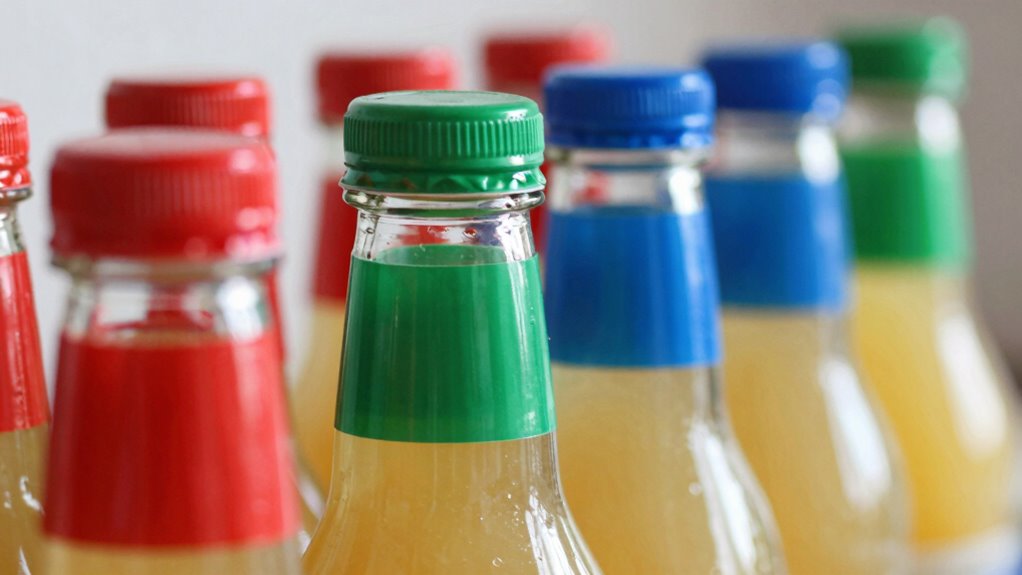
If you’re packaging juice, shrink bands are an essential tool to guarantee your bottles stay sealed and tamper-evident. They provide a quick visual cue that the product hasn’t been opened, which builds consumer trust and ensures safety. But beyond security, shrink bands also impact the packaging aesthetics. When applied properly, they give your product a finished, professional look that can attract buyers on the shelf. Bright colors or customized designs can make your bottles stand out, reinforcing your brand identity and making your juice more appealing. In a competitive market, small details like shrink bands can influence a customer’s decision, making your product look more polished and trustworthy.
However, you might wonder if their added appearance is worth the extra step or cost. Shrink bands aren’t just about looks—they serve as an inexpensive form of tamper evidence, ensuring consumers that your juice is safe and untouched. This can be especially important if you’re selling in retail environments where safety and authenticity are priorities. On the flip side, some argue that these bands are unnecessary, especially if your bottles already have secure caps or seals. They might see shrink bands as an extra expense that doesn’t add enough value to justify the cost. Moreover, the application process can sometimes require additional equipment or steps, which might complicate your packaging workflow. Additionally, the production and disposal of plastic shrink bands contribute to packaging waste, raising environmental concerns.
Furthermore, some manufacturers are exploring eco-friendly alternatives to traditional plastic shrink bands, which could influence future packaging decisions. Another point to contemplate is the environmental impact. Shrink bands are typically made from plastic, which raises concerns about waste and sustainability. If your goal is to create eco-friendly packaging, you’ll need to weigh the benefits of tamper evidence against the environmental footprint. Some manufacturers now offer biodegradable or recyclable shrink bands, but they often come at a higher price. If environmental impact weighs heavily in your decision-making, you might opt to minimize or eliminate shrink bands altogether, focusing instead on sustainable packaging solutions. Being aware of packaging sustainability can help you make more environmentally conscious choices.
Ultimately, whether shrink bands are a “cheap insurance” or an unnecessary step depends on your priorities. If protecting your product and enhancing its visual appeal are top concerns, they’re a smart, cost-effective choice. But if your focus is on reducing waste or streamlining packaging, you might consider alternative options. Remember, the key is balancing product safety, aesthetic appeal, and environmental responsibility to find what works best for your brand and your customers.
As an affiliate, we earn on qualifying purchases.
Frequently Asked Questions
Are Shrink Bands Eco-Friendly and Recyclable?
Shrink bands for juice are generally eco-friendly and recyclable, but it depends on the material used. Many are made from polyethylene or PVC, which have varying environmental impacts and recycling considerations. You should check local recycling guidelines, as some facilities accept these plastics, while others don’t. To minimize environmental impact, opt for brands that use recyclable or biodegradable materials, ensuring your packaging choices support sustainability efforts.
How Long Do Shrink Bands Last During Storage?
Shrink bands typically last about 6 to 12 months during storage if kept in proper conditions. Their packaging durability depends on how well you store them, especially avoiding exposure to extreme temperatures. Temperature sensitivity can cause the bands to loosen or degrade over time, so keep them in a cool, dry place. Proper storage guarantees the shrink bands maintain their integrity until you’re ready to use them.
Can Shrink Bands Be Reused After Opening?
You can’t really reuse shrink bands after opening because they often lose their elasticity and seal integrity. Think of it like trying to put a new sock on an old, stretched-out one — it just doesn’t fit right. Instead, consider alternative packaging methods, like resealable caps or silicone lids, which keep your juice fresh without the hassle. Reusing shrink bands isn’t worth the risk of spoilage or contamination.
Do Shrink Bands Affect the Juice’s Shelf Life?
Shrink bands don’t considerably affect your juice’s shelf life if properly applied and sealed. They mainly contribute to packaging aesthetics and branding implications, giving your product a professional look and reassuring customers about freshness. However, if the bands are damaged or not sealed correctly, they could compromise the seal, potentially reducing shelf life. Overall, they’re a valuable addition for presentation and safety, rather than a direct factor in preserving juice.
Are Shrink Bands Suitable for All Types of Juice Bottles?
Shrink bands are suitable for most juice bottles, especially those with packaging that benefits from enhanced durability and tamper evidence. They help improve brand visibility by providing a clear, professional seal, which reassures customers. However, if your bottles have irregular shapes or delicate materials, shrink bands might not be ideal. Consider your packaging’s durability and how important brand visibility is to determine if shrink bands are the right choice for your juice bottles.
Conclusion
So, next time you’re debating whether to shell out for shrink bands, remember—they’re the ultimate juice protector, or so they say. Sure, they add a sleek, professional look, but really, it’s just a fancy hat for your bottle. If you enjoy the thrill of potential spills and leaks, go ahead—skip them! Otherwise, splash out a little extra. After all, who doesn’t love a tiny, plastic security blanket for their liquid gold?
Flea & tick season Picks
flea and tick prevention
As an affiliate, we earn on qualifying purchases.