When comparing organic and conventional foods, you’ll find that organic options often contain higher levels of antioxidants and micronutrients, thanks to better soil health and natural farming methods. They also tend to have lower pesticide residues, reducing your chemical exposure. While the nutritional differences are generally modest, supporting organic farming aligns with sustainability and soil vibrancy. If you want to understand how these factors impact what ends up on your plate, keep exploring the details further.
Key Takeaways
- Some studies suggest organic foods may contain higher levels of antioxidants and micronutrients.
- Overall nutritional differences between organic and conventional foods are typically minimal and variable.
- Soil health improvements in organic farming can enhance the nutrient density of produce.
- Conventional farming’s reliance on chemicals may slightly reduce the nutritional quality of crops.
- Pesticide residue levels are generally lower in organic foods, reducing chemical exposure.
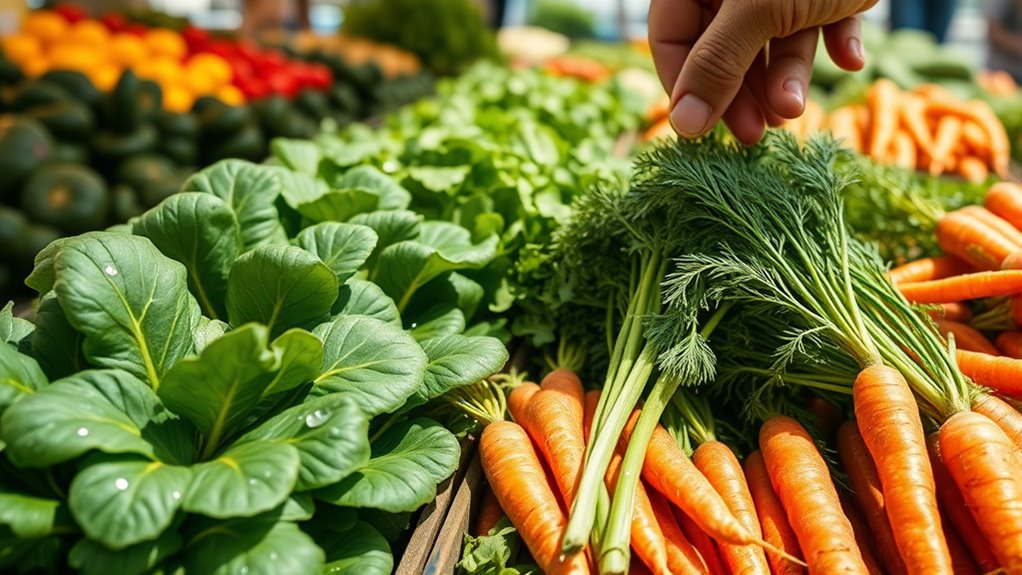
Are organic foods truly better for you than conventional ones? This question often comes up when you’re shopping at the grocery store, trying to make healthier choices. The main appeal of organic foods lies in their supposed health benefits, but there’s more to examine than just what’s on the label. For starters, organic produce tends to have lower levels of pesticide residues. Conventional farming often relies on synthetic chemicals to protect crops from pests and diseases, which can leave traces on fruits and vegetables. While regulatory agencies set safety limits, some consumers prefer to minimize their exposure altogether. Organic farming, on the other hand, restricts the use of synthetic pesticides, meaning you’re less likely to ingest harmful residues. However, it’s important to remember that organic produce isn’t completely free of pesticides; natural or approved substances are still used, but generally, these are considered safer and less persistent.
Another key aspect is soil health, which directly impacts the nutritional value of your food. Organic farming practices focus on building healthy soil through composting, crop rotation, and reduced chemical input. These methods promote biodiversity and enhance soil microbial activity, leading to more resilient plants. Healthy soil can contribute to more nutrient-dense produce, which might give you a slight nutritional edge over conventionally grown foods. Conventional farming often relies heavily on chemical fertilizers and pesticides that can degrade soil quality over time, potentially reducing its ability to provide nutrients to crops naturally. When soil health declines, crops may become less nutritious, and the reliance on external inputs increases, creating a cycle that can be hard to break.
While some studies suggest organic foods may contain higher levels of certain antioxidants and micronutrients, the overall nutritional differences between organic and conventional foods aren’t always significant. The biggest benefits of choosing organic often come down to reducing your exposure to pesticide residues and supporting sustainable farming practices that prioritize soil health. If you’re concerned about environmental impact and long-term sustainability, organic farming tends to be more eco-friendly because it minimizes chemical runoff and promotes healthier ecosystems.
In the end, whether you opt for organic or conventional depends on your priorities: whether it’s reducing pesticide exposure, supporting soil health, or simply choosing the most affordable option. Both can be part of a balanced diet, but understanding these key differences helps you make more informed decisions about what you put on your plate.

Super Antioxidants Supplement for Women & Men – High Potency Herbal & Fruit Blend with Acai, Goji, Pomegranate, Elderberry & Resveratrol for Skin Care & Immune Support – Vegan & Non-GMO – 60 Capsules
Maintain Health With Full Body Antioxidant Support: Crucial to good health, antioxidants help support a strong and healthy…
As an affiliate, we earn on qualifying purchases.
As an affiliate, we earn on qualifying purchases.
Frequently Asked Questions
Do Organic Foods Contain More Antioxidants Than Conventional Ones?
You’ll find that organic foods often have higher antioxidant content compared to conventional options, which can boost their nutrient density. These antioxidants help protect your body from damage, making organic choices potentially more beneficial. While the difference isn’t huge across all foods, choosing organic can increase your intake of these beneficial compounds, supporting your overall health and ensuring you get the most nutrients from your produce.
How Do Pesticide Levels Compare Between Organic and Conventional Produce?
Imagine picking a bright red apple from your grocery store. Organic produce typically has lower pesticide residue and fewer contamination concerns than conventional options. Studies show conventional produce often carries higher pesticide levels, increasing potential health risks. Organic farming limits synthetic pesticide use, reducing residue. While organic isn’t pesticide-free, it generally offers a safer choice regarding contamination concerns, giving you peace of mind with your fresh fruit.
Are Organic Foods Safer for Children and Pregnant Women?
Yes, organic foods are generally safer for children and pregnant women because they tend to have lower pesticide residue, reducing potential health risks. You can feel more confident in food safety when choosing organic, especially for vulnerable populations. Organic farming practices limit synthetic pesticide use, which helps minimize exposure. By opting for organic, you’re making a conscious choice to protect your family’s health from unnecessary chemical residues.
Does Organic Farming Impact Environmental Sustainability More Than Conventional Methods?
You might find it surprising, but organic farming generally impacts environmental sustainability more positively than conventional methods. It promotes soil health by avoiding synthetic chemicals, which helps maintain nutrient cycles. Additionally, organic practices support biodiversity impact, encouraging diverse ecosystems and reducing pollution. These benefits can lead to healthier environments and resilient farms, making organic farming a more sustainable choice overall.
How Does the Cost Difference Affect Access to Nutritious Foods?
The cost difference creates affordability barriers that limit your access to nutritious foods. When organic options are pricier, you might struggle to include them regularly in your diet, impacting food accessibility. This financial gap can lead you to choose cheaper, less nutritious options, making it harder to maintain a balanced diet. To improve access, consider local farmers’ markets, community-supported agriculture, or bulk buying to reduce costs and bridge the affordability gap.

MobileDetect Pouch Residue Detection Multi-Drug Test Kit – Rapid Surface Residue Detector
Easy-to-use pouch provides industry leading presumptive testing results.
As an affiliate, we earn on qualifying purchases.
As an affiliate, we earn on qualifying purchases.
Conclusion
Ultimately, choosing between organic and conventional is like selecting your own garden of hope. Organic foods symbolize a commitment to purity and the planet, nurturing both your body and Earth’s future. Conventional options may offer convenience, but they often come at a hidden cost. Your decision is a seed you plant today—cultivating a healthier, more sustainable tomorrow. Trust your instincts, and let your choice blossom into a legacy of care and respect for what sustains us all.
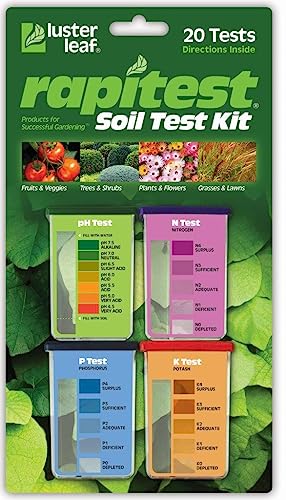
Rapitest Soil Test Kit for Gardens, Vegetables, Flowers and Lawns. USA designed and assembled soil tester completely, quickly and accurately measures/analyzes soil pH acidity and garden nutrients.
Quick, at home results for Soil pH, Nitrogen, Phosphorous and Potash Innovative and inexpensive soil test kit features…
As an affiliate, we earn on qualifying purchases.
As an affiliate, we earn on qualifying purchases.

Tools for Organic Farming
As an affiliate, we earn on qualifying purchases.
As an affiliate, we earn on qualifying purchases.

Cindy thoroughly researches juicing trends, techniques, and recipes to provide readers with practical advice and inspiration. Her writing style is accessible, engaging, and designed to make complex concepts easy to understand. Cindy’s dedication to promoting the advantages of juicing shines through her work, empowering readers to make positive changes in their lives through the simple act of juicing.