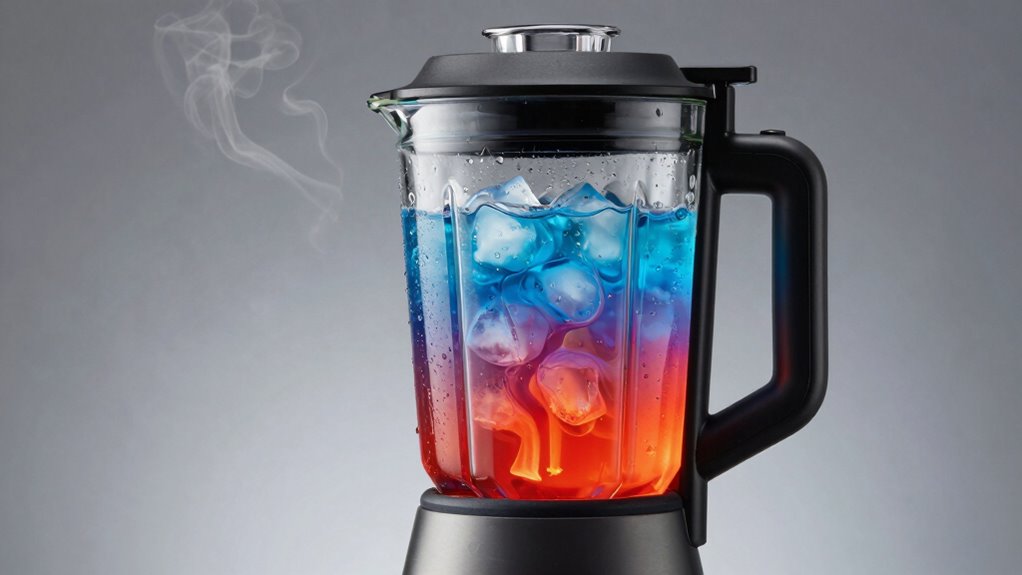

When choosing hot-and-cold drink blenders, thermal stress matters more than marketing claims about features. Rapid temperature changes can cause component expansion, contraction, and cracks, reducing lifespan and risking leaks. Materials must resist high heat, impacts, and repeated cold exposure to stay durable. Good thermal management prevents failures and guarantees safe, versatile use over time. If you want to learn how to spot these qualities and protect your investment, keep exploring this important topic.

Get kitchen staples and gadgets delivered free with Prime
- Fast, free delivery on millions of items
- Prime Video, Amazon Music and more included
- Member-only deals all year
Key Takeaways
- Thermal stress management prevents cracks, leaks, and seal failures caused by rapid temperature changes during hot or cold drink preparation.
- Material durability ensures blender components resist warping, impact damage, and degradation over repeated hot and cold usage.
- Proper material selection based on thermal expansion properties reduces the risk of component failure from temperature fluctuations.
- Effective thermal control extends appliance lifespan and maintains performance, beyond just marketing claims.
- Prioritizing thermal stress handling enhances safety, versatility, and long-term reliability of hot-and-cold drink blenders.
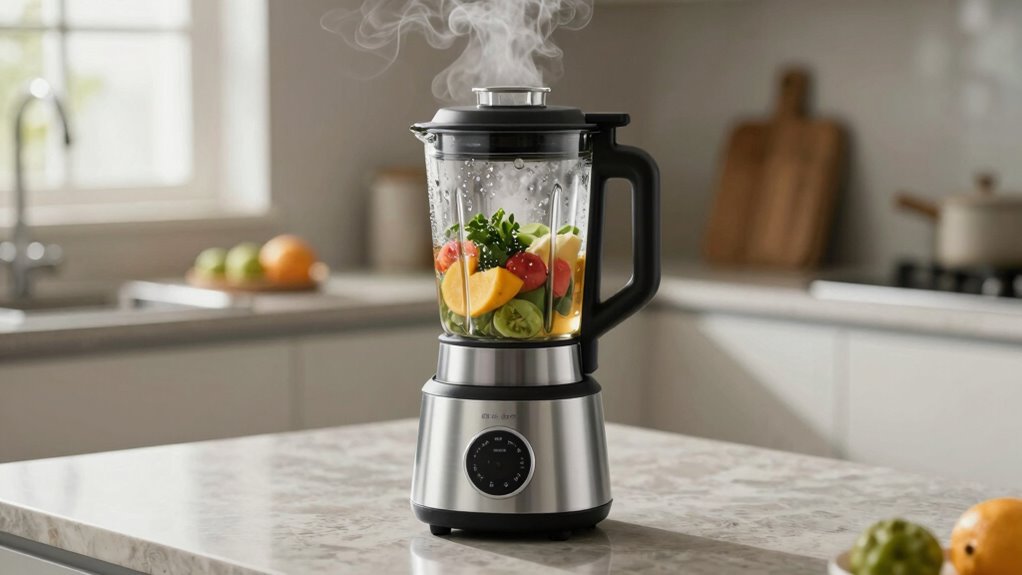
Temperature regulation is fundamental when selecting a blender for hot and cold drinks. You need a machine that can handle rapid temperature changes without compromising its operation. For hot liquids, the blender’s lid and seals must withstand high heat without warping or leaking. For cold drinks, the device must efficiently crush ice and frozen ingredients without overheating or losing power. When thermal stress isn’t properly managed, components can expand and contract with temperature fluctuations, leading to cracks or seal failures that shorten your blender’s lifespan. So, don’t just look at wattage or speed settings—consider how the appliance handles thermal stress during consistent use.
Material durability is equally important. The container and internal components must resist warping, cracking, or degrading under extreme temperatures. For hot liquids, a heat-resistant container, often made of tempered glass or high-grade BPA-free plastic, ensures safety and durability. Cold blending demands tough, impact-resistant materials that won’t crack or become cloudy after repeated use. If the materials aren’t durable, thermal stress can cause microscopic fractures over time. These tiny fractures might not be immediately visible but can lead to leaks, bacterial buildup, or eventual failure of the blender. Choosing a model with reinforced, high-quality materials helps you avoid these issues and ensures your blender remains reliable long term. Additionally, understanding the thermal expansion properties of materials used in blenders can help you select a model that better withstands temperature fluctuations. Proper material selection plays a crucial role in managing thermal stress and extends the lifespan of your appliance. Recognizing how material behavior responds to temperature changes can further inform your choice of a durable blender. Being aware of thermal stress management strategies can also positively influence the longevity of your device.
Beyond marketing claims, understanding how a blender manages thermal stress through temperature control and material durability gives you a clearer picture of what to expect. A machine that can withstand rapid heating and cooling cycles without losing integrity will save you money and frustration. It’ll also allow you to enjoy a variety of recipes—hot soups, cold smoothies, frosty beverages—without worry. Remember, a blender’s true strength isn’t just in its horsepower or flashy features but in how well it handles thermal stress. When you prioritize durability and effective temperature management, you’re investing in a device that will perform consistently, keep your kitchen safe, and serve you well for years to come.
hot and cold drink blender with thermal stress resistance
As an affiliate, we earn on qualifying purchases.
As an affiliate, we earn on qualifying purchases.
Frequently Asked Questions
How Do Thermal Stresses Affect Blender Lifespan?
Thermal stresses shorten your blender’s lifespan by causing thermal expansion and material fatigue. When hot and cold items are blended repeatedly, materials expand and contract unevenly, weakening the components over time. This constant cycle accelerates wear, leading to cracks or failures. To extend your blender’s life, avoid extreme temperature changes and allow components to cool down between uses, reducing thermal stress and preventing premature damage.
Can Thermal Stress Cause Safety Hazards During Blending?
Yes, thermal stress can cause safety hazards during blending. Sudden temperature fluctuations create material fatigue in the blender’s components, increasing the risk of cracks or breaks. When these parts weaken, they might fail during operation, potentially leading to leaks, broken blades, or electrical issues. To stay safe, avoid rapid temperature changes and guarantee your blender is designed to handle thermal stresses effectively.
What Materials Best Withstand Thermal Stress in Blenders?
You should choose materials with high durability and heat resistance for blenders. Borosilicate glass and certain plastics like Tritan offer excellent thermal stress resistance, preventing cracking or warping during hot blending. Metal components, such as stainless steel, also withstand temperature fluctuations well. These materials guarantee safety, longevity, and consistent performance, especially when dealing with hot ingredients, making them ideal choices for durable, heat-resistant blenders.
How to Prevent Thermal Stress Damage in Daily Use?
Think of your blender as a dancer, gracefully handling temperature fluctuations without missing a beat. To prevent thermal stress damage, avoid sudden temperature changes—don’t pour boiling liquids into a cold jar or vice versa. Use warm liquids first to help material expansion happen gently. Regularly inspect seals and joints for cracks, and choose blenders made from materials designed to withstand thermal stress. This way, your blender stays in perfect harmony, blending smoothly every time.
Are There Specific Design Features to Reduce Thermal Stress?
To reduce thermal stress, look for blender designs that incorporate material expansion allowances and design flexibility. These features allow parts to expand and contract with temperature changes without cracking or breaking. Smooth joints, flexible seals, and thermally resistant materials help absorb stress. By choosing blenders with these design features, you minimize damage and extend the lifespan of your appliance, ensuring safe, reliable performance even with hot and cold ingredients.
Conclusion
As you reach for that perfect blend, remember it’s not just about sleek marketing or flashy features. Picture your blender working tirelessly, heat and cold battling inside like a stormy sky before a calm dawn. Thermal stress quietly wears down its strength, just like a storm weakens a sturdy tree. So, next time you choose a blender, think beyond the surface—trust in its resilience and the quiet power it needs to keep your favorite drinks smooth and lasting.
NFL season / tailgating Picks
team gear
As an affiliate, we earn on qualifying purchases.