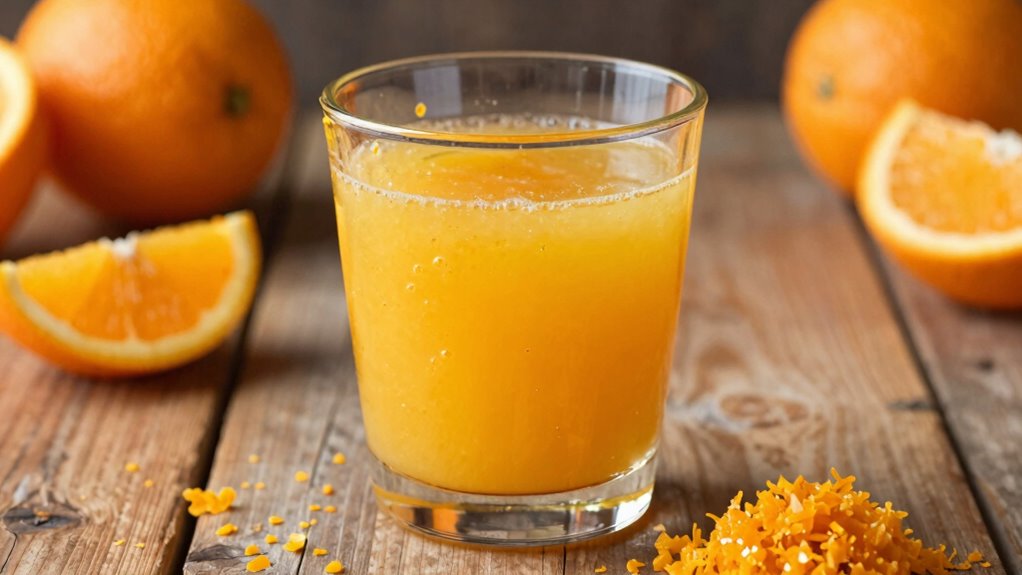

You might think that drier pulp means your juice is more concentrated and flavorful, but that’s not always true. Pulp that’s too dry can indicate overprocessing or aggressive equipment that damages delicate cells and reduces nutrients. It may also lead to oxidation, lowering flavor and health benefits. Instead of just aiming for dryness, focus on balanced pulp moisture and preserving nutrients for better taste and quality. Keep going to uncover more insights on how pulp affects your juice’s true value.

Get kitchen staples and gadgets delivered free with Prime
- Fast, free delivery on millions of items
- Prime Video, Amazon Music and more included
- Member-only deals all year
Key Takeaways
- Excessively dry pulp often results from aggressive juicing, which can damage cell structures and reduce flavor quality.
- Pulp dryness does not correlate directly with nutrient retention or overall juice quality.
- Over-pressing produce to achieve dry pulp can cause oxidation, diminishing flavor and nutritional value.
- Balancing pulp moisture preserves delicate flavors and nutrients better than simply aiming for dryness.
- Optimal juice quality depends on maintaining pulp integrity, not just increasing dryness for higher yield.
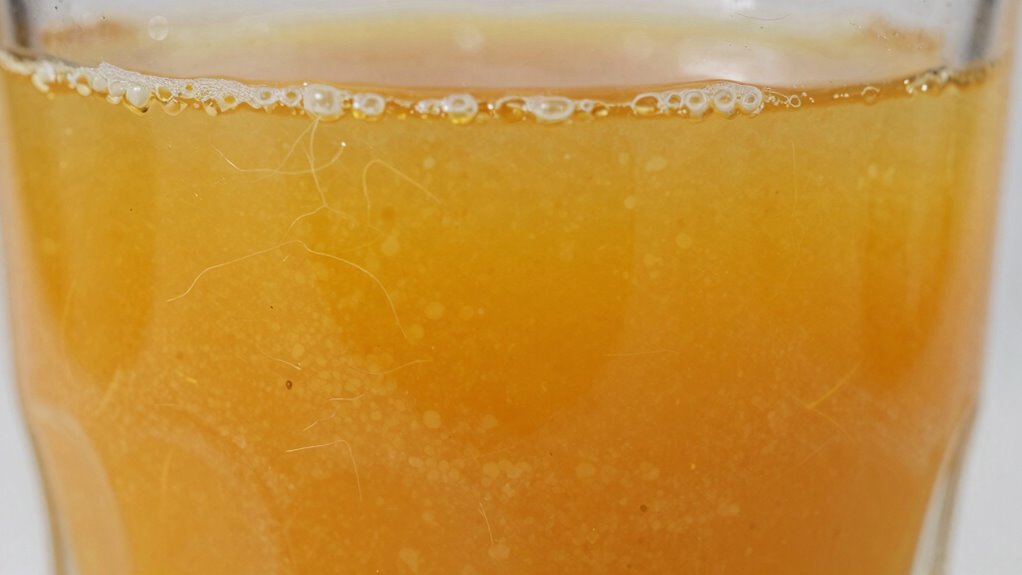
Many believe that extracting the driest pulp results in purer, more potent juice. However, this approach overlooks the fact that pulp contains valuable nutrients and flavor compounds. Juicing to achieve very dry pulp often involves pushing produce to its limits or using overly aggressive equipment settings, which can damage delicate cell structures and lead to oxidation. This not only diminishes flavor but can also decrease the nutritional value of the juice. In addition, excessive pressure can generate heat, further degrading essential nutrients. Proper equipment maintenance ensures consistent quality and preserves the integrity of your juice. Recognizing the difference between pulp dryness and overall juice quality is crucial for achieving optimal results. Understanding the nutritional benefits of pulp can help you make better juicing choices for taste and health.
slow juicer with nutrient preservation
As an affiliate, we earn on qualifying purchases.
As an affiliate, we earn on qualifying purchases.
Frequently Asked Questions
Does Pulp Dryness Affect Juice Nutritional Content Significantly?
Pulp dryness doesn’t considerably affect juice’s nutritional content because most nutrients are in the juice itself, not the pulp moisture. However, drier pulp can influence flavor stability, as moisture helps preserve natural flavors. When pulp is too dry, the juice might taste less fresh and lose some subtle flavor nuances over time. So, while nutrition stays steady, pulp moisture plays a role in maintaining ideal flavor quality.
How Does Fruit Ripeness Influence Pulp Dryness and Flavor?
Imagine biting into a perfectly ripe peach—its fruit texture is tender, juices bursting with flavor. As fruit ripeness increases, pulp becomes less dry, enhancing flavor and sweetness. Ripeness indicators like vibrant color and aroma guide you to the best fruit. When you select ripe fruit, the pulp’s ideal moisture level improves juice taste, making your drink more invigorating and flavorful, rather than just drier pulp.
Are Certain Fruits Better Suited for Drier Pulp Extraction?
Certain fruits are better suited for drier pulp extraction due to their natural fruit texture and pulp consistency. For example, citrus fruits like oranges and grapefruits have firmer pulp that yields drier pulp, making them ideal for this process. On the other hand, softer fruits like berries produce a wetter pulp, which may not be as suitable. Choosing fruits with the right pulp consistency guarantees the best juice extraction and flavor.
Can Pulp Dryness Impact the Shelf Life of Juice?
Don’t judge a juice by its pulp dryness alone, as it can impact shelf life. Higher pulp moisture often boosts shelf stability because moisture helps preserve natural enzymes and antioxidants. Conversely, very dry pulp might lead to quicker spoilage and reduced shelf life, as it lacks the protective moisture. So, balancing pulp moisture is key to maintaining freshness and extending your juice’s shelf life effectively.
Is There an Optimal Pulp Level for Balancing Flavor and Yield?
You should aim for a pulp level that balances flavor and extraction efficiency. A moderate pulp texture often provides the best flavor, as too little pulp can dull taste, while too much may hinder extraction efficiency. Experiment with different pulp levels to find the sweet spot that maximizes flavor without sacrificing yield. Ultimately, the ideal pulp level enhances both your juice’s taste and overall extraction, making your product more enjoyable.
Conclusion
Remember, higher pulp dryness doesn’t guarantee better flavor, just as lower pulp content doesn’t mean poorer quality. Focus on balance, understand that juice yield is just one piece of the puzzle, and trust your taste buds over myths. Embrace the nuances, appreciate the differences, and enjoy the process. Because when you look beyond the surface, you’ll find that great juice is about harmony, not just pulp, and that true flavor comes from understanding what’s inside.
NFL season / tailgating Picks
team gear
As an affiliate, we earn on qualifying purchases.